Florida’s red tide bloom cost the lives of 174 dolphins since last summer, researchers say.
The National Oceanic and Atmospheric Administration released data dating from July 2018 until last week, showing the cost to marine life along the Southwest Florida Gulf Coast.
The impact of red tide has slowed since early 2019 which has seen dolphin deaths drop off, but it is still causing problems.
Researchers said dolphins have been forced to hunt for crabs and eels due to dwindling stocks of mullet and trout, a dolphin’s usual food supply.
"We’re also seeing underweight animals," said Blair Mase, NOAA’s stranding response program coordinator.
The mass die-off numbers are in addition to the 279 dolphins it found stranded since February from the Northern Gulf.
That was three times the usual number and almost all died, NOAA said.
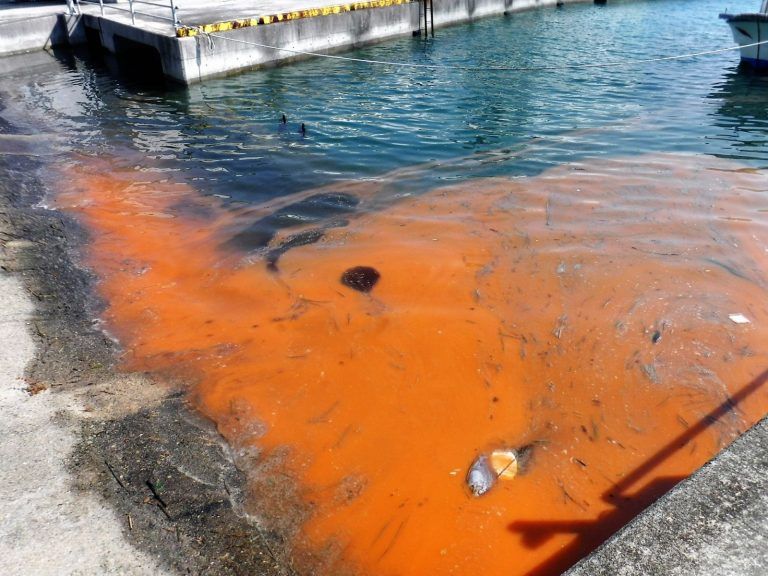
Red tide is a natural phenomenon that produces toxins harmful to marine life and has caused respiratory problems for people along the coast.
Last month Florida Gov. Ron DeSantis signed off on a bill to study the causes and effects of red tide blooms in cooperation with a marine institute.