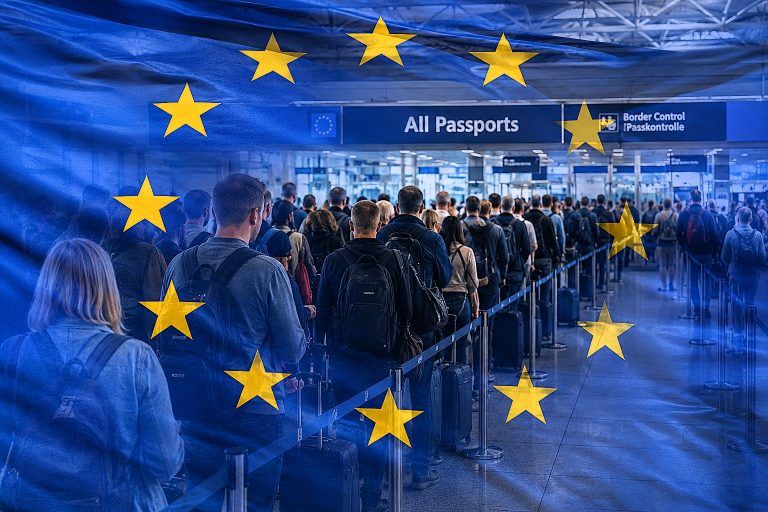
The World Travel and Tourism Council (WTTC) and the International Air Transport Association (IATA) are to work together on biometrics with the aim of creating a seamless passenger experience.
The two organisations will adopt a common approach, exchange information and work together to ‘energise the entire sector to achieve international harmonisation through the use of biometrics standards and interoperability’.
IATA will work on behalf of its member airlines to promote a range of innovations to be considered for airports of the future, including its One iD initiative, IATA’s vision of creating an ‘end-to-end passenger experience that is seamless, efficient and secure’.
WTTC, through its Seamless Traveller Journey programme, is committed to working with the existing initiatives to encourage the use of biometric technology and digital identity throughout the wider travel and tourism sector so travellers can enjoy a seamless, secure and efficient end-to-end journey.
WTTC president and CEO Gloria Guevara said: "Biometric technology is essential for the future of travel.
"By working together we can enhance security and improve the whole passenger journey."
IATA is forecasting a rise from 4 billion annual air passengers now to 7.8 billion over the next twenty years, and UNWTO estimates global international arrivals to rise from 1.3 to 1.8 billion by 2030.
"The traveller experience has to improve if we want to achieve the growth potential," Guevara added.
IATA director general and CEO Alexandre de Juniac said: "The journey thorough the airport is often a frustrating experience. Passengers have to verify their identity at numerous points across their journey.
"IATA’s One iD project is helping the industry rapidly move towards the day when a face, iris or fingerprint will act as a single biometric travel token.
"Partnerships are key to help realise this vision and today’s agreement with WTTC will act as a strong catalyst for industry change."
The agreement was announced at the IATA AGM in Sydney.