Peru has unveiled a major cultural and tourism initiative: the “Pisco Routes,” a program celebrating the country’s centuries-old winemaking heritage through sensory experiences, traditional know-how, and sustainable local development.
The initiative covers five regions along Peru’s southern coast. This includes Ica, Arequipa, Moquegua, Tacna, and Lima. The region of Ica is of particular importance as it is the historical cradle of this iconic spirit.
The Pisco Routes offer travelers more than just a wine tourism circuit. They provide a deep cultural journey into Pisco, a symbol of Peruvian identity whose roots trace back to the 16th century, when Spanish settlers introduced grapevines to South America.
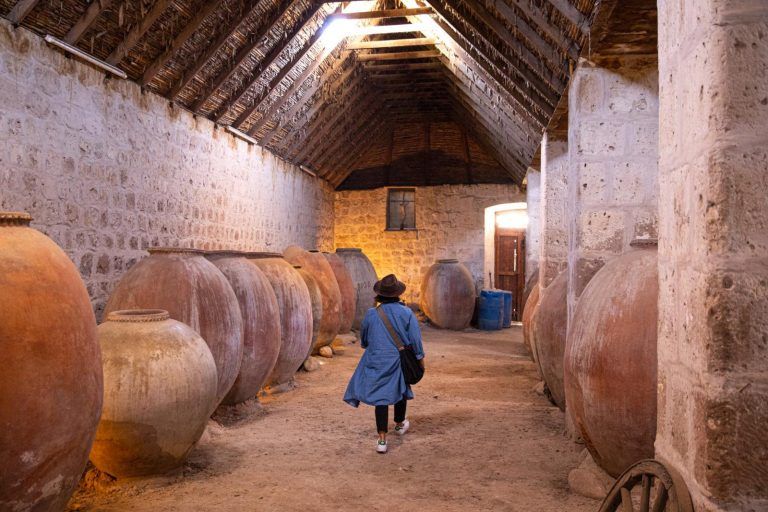
Over time, distillation became a cherished tradition, refined by generations while preserving the spirit’s distinctive character. Today, 510 distilleries operate across the five mentioned regions.
Visitors can explore artisanal distilleries, taste traditional recipes, stay in local accommodations, and meet producers who carry on this living legacy. The program emphasizes authenticity, quality service, and respect for communities. It is anchored in three pillars: responsible tourism practices, active local participation, and preservation of cultural heritage through storytelling and tradition.
The initiative is also part of Peru’s global outreach strategy. Through fostering collaboration between public and private stakeholders, and building connections with other renowned spirit-producing regions such as Cognac, Peru is expanding its global audience. The goal is also to position Pisco as a world-class ambassador of Peruvian heritage.
The Pisco Routes embody a model of sustainable cultural tourism—where human connection, artisanal skill, and stunning landscapes combine to create meaningful travel experiences. It’s an invitation to discover another side of Peru: authentic, committed, and vibrantly alive.