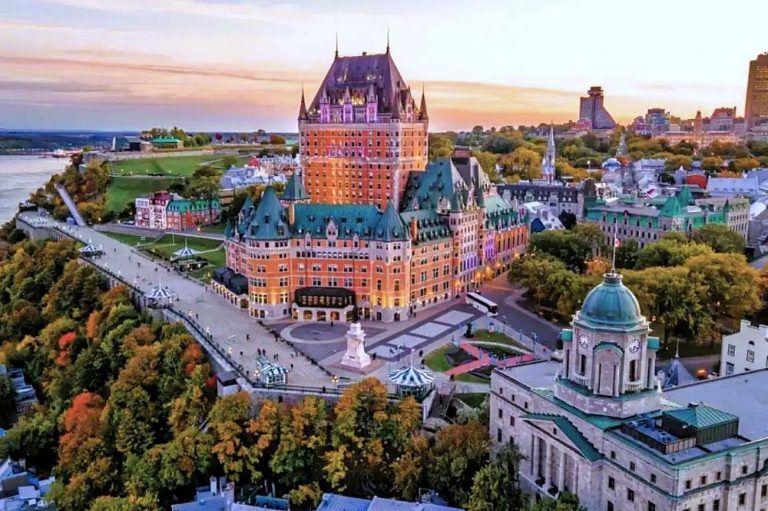
The Quebec City metropolitan area and the neighboring Indigenous community of Wendake have been officially designated as a UNESCO Biosphere Region, giving the Canadian destination an exceptional international distinction and creating one of the world’s few urban biosphere territories.
The designation was approved by the International Coordinating Council of UNESCO’s Man and the Biosphere (MAB) Programme during a meeting in Paraguay. It fulfills a commitment first announced nearly four years ago by Quebec City Mayor Bruno Marchand during COP15 on biodiversity.
The recognition is the result of a broad collaboration involving around 60 institutional, Indigenous, scientific, economic and community partners that have worked together since 2023 to place biodiversity at the heart of regional development.
What makes Quebec particularly unique is that the biosphere region encompasses more than 600,000 residents and includes densely populated urban districts. Such a large metropolitan area receiving UNESCO biosphere status is extremely rare worldwide and unprecedented in North America.
The territory stretches across an exceptional natural environment shaped by the St. Laurent River and more than 1,400 kilometers of waterways, including four major rivers. It also features restored riverbanks along the Saint-Charles River, extensive forests, lakes, urban woodlands and wetlands rich in biodiversity.
The inclusion of Wendake and the Nation Wendat adds a distinctive Indigenous dimension to the initiative. Officials said the designation reflects ongoing cooperation with Indigenous communities and a shared commitment to protecting the territory known to the Wendat people as Onyionhwentsïio’.
Canada now counts 20 UNESCO biosphere regions, with five located in Quebec province. Most are situated far from major urban centers.
The new status gives Quebec City an unprecedented trio of UNESCO distinctions. In addition to the biosphere designation, the city is already recognized as a UNESCO World Heritage Site for Old Quebec and is also part of UNESCO’s Creative Cities Network for literature.
Mayor Bruno Marchand said the designation demonstrates that urban growth and environmental protection can successfully coexist.
“We hold a unique model in our hands: an urban biosphere region,” he said. “This recognition confirms that our city can continue to grow in harmony with nature.“
Grand Chief Pierre Picard of the Nation Wendat described the announcement as a source of pride and emphasized the importance of combining traditional knowledge and sustainable management practices to safeguard the territory for future generations.
Officials believe the UNESCO recognition will enhance Quebec’s international visibility, attract research and environmental businesses, strengthen biodiversity conservation efforts and further develop sustainable tourism focused on nature and culture.
UNESCO’s global network comprised 797 biosphere reserves in 145 countries as of 2025, serving as living laboratories for biodiversity conservation and sustainable development.