In Saudi, nature feels expansive, protected, and increasingly intentional. Conservation commitments, new protected areas, thriving wildlife zones, and world leading Dark Sky designations are transforming the way travelers experience Saudi. From the internationally recognized Saudi Red Sea’s regenerated coastline to highland reserves and heritage villages, these landscapes tell a story of regeneration, protection, and a new, more conscious way to explore.
The Best Ways to Explore Saudi’s Wild Side
Experience the First Certified Dark Sky Parks in the Region
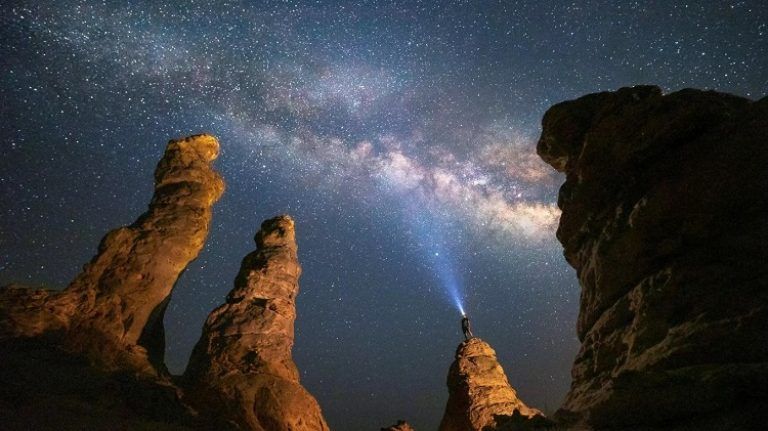
Travelers seeking atmospheric and uninterrupted night skies can visit AlUla Manara and AlGharameel, which were certified as International Dark Sky Parks in October 2024. These protected settings preserve natural darkness, creating optimum stargazing conditions.
Night sky protection expanded further in December 2025, when Sharaan National Park and Wadi Nakhlah gained their own certifications. Together with earlier designations in AlUla, these areas now form a continuous Dark Sky territory spanning 6,146 square kilometers. Visitors can explore night environments that feel exceptionally still, clear, and connected to the rhythms of the natural world.
Step Into Rapidly Expanding Protected Areas
Across Saudi, vast marine and land reserves open access to coastlines, deserts, and mountain landscapes being actively safeguarded for the future. These environments welcome visitors within carefully managed frameworks, where conservation and exploration move forward together. Areas such as the Umm alQamari Islands open a window into thriving biodiversity that invites responsible exploration of these remarkable natural environments.
Encounter New Biodiversity Hotspots Along the Saudi Red Sea
Along the Saudi Red Sea, travelers can now explore areas newly recognized for their ecological importance. Multiple Key Biodiversity Areas have been identified that support the Arabian wolf and significant migratory bird populations, guiding how visitors move through sensitive environments with careful stewardship and environmental awareness.
Witness Coastal Regeneration Taking Shape
Regeneration along the Saudi Red Sea coastline is increasingly visible, and now internationally recognized. Mangrove restoration, protected marine zones, and carefully managed development are part of a broader regenerative tourism approach. In March 2026, The Red Sea became Saudi’s first destination to earn EarthCheck’s Sustainable Destinations certification, recognizing destination‑wide environmental, social, and economic performance.
Head North for Clear, Wide-Open Skies
Nature‑led experiences in Saudi continue seamlessly across regions. In the north, AlNufud offers a Dark Sky Park experience defined by uninterrupted celestial views and expansive desert terrain. Preserved darkness and quiet create an atmosphere that encourages reflection, night walks, and a deeper connection with the landscape after sunset.
Wander Vast Restored and Rewilded Royal Reserves
Large-scale conservation is unfolding across several royal reserves such as King Salman bin Abdulaziz Royal Natural Reserve, Imam Turki bin Abdullah Royal Nature Reserve, (visitors can make enquiries here), and Prince Mohammed bin Salman Royal Reserve where visitors can picnic and camp in certain areas – some locations require permits. Trained and accredited local tour guides can be contacted here. From open desert plains to connected inland and coastal habitats, these protected landscapes reflect Saudi’s long‑term commitments to sustainability and restoration already set in motion.
Stay Among Rare Ecosystems and Dramatic Rock Formations
Some of Saudi’s most distinctive stays place visitors within protected ecosystems. At Jabal Shadah, visitors can sleep in architect designed cave structures set within remarkable rock formations, while Raydah Natural Reserve offers the possibility of observing Arabian wolves, caracals, ibex, and diverse birdlife in a setting valued for its environmental[fa1] significance.
Explore Protected Marine Sanctuaries Along the Saudi Red Sea
These marine sanctuaries include some of the region’s healthiest coral reefs and endangered marine species, with systems in place to support long-term ecological resilience. The UNESCO-listed Farasan Archipelago Marine Sanctuary pairs rich marine life with deep cultural heritage, offering an experience where natural and human stories coexist across the archipelago.
Connect with Communities Celebrated for Culture, Craft and Sustainability
Beyond natural landscapes, travelers can also engage with communities recognized for preserving heritage while shaping sustainable tourism futures. Alongside Saudi’s UNESCO World Heritage Sites, destinations such as Rijal Almaa and AlUla Old Town, designated as UNWTO Best Tourism Villages, highlight community‑led development, where culture, craft, and stewardship are inseparable from the visitor experience
Now more than ever, across regenerated coastlines, Dark Sky landscapes, royal reserves, and heritage‑rich communities, Saudi offers journeys grounded in care, continuity, and connection. Each destination reflects a growing commitment to regeneration, inviting visitors to experience places designed to thrive well beyond the present moment.