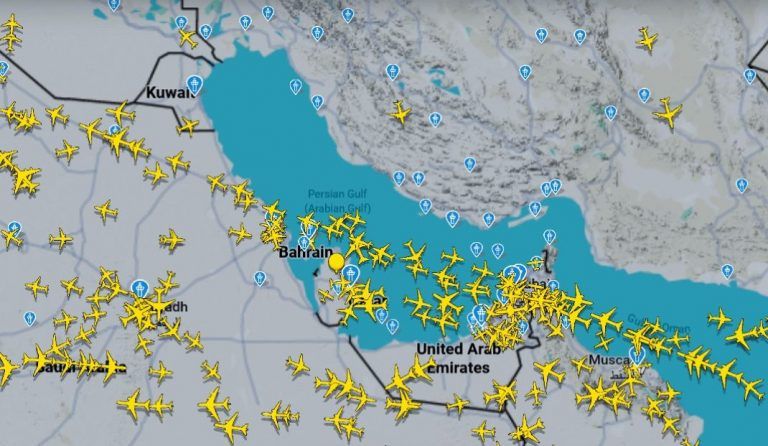
Flight disruptions continue across the Gulf region as airlines adjust operations following renewed security concerns affecting airspace in the UAE, Bahrain, Kuwait, Qatar and Saudi Arabia.
Several carriers have cancelled or suspended selected services, while others have introduced schedule changes and rerouting measures. Airlines are urging passengers to verify flight status before traveling to airports as conditions remain subject to rapid changes.
The latest disruptions are linked to heightened regional tensions and aviation authorities’ concerns over safe flight operations. The European Union Aviation Safety Agency (EASA) has extended warnings covering parts of the Gulf region, including Bahrain, Kuwait, Qatar and the UAE, citing increased military activity and potential risks to civilian aviation.
UAE services affected
In the United Arab Emirates, airlines have largely maintained operations but have faced interruptions on some regional routes.
Emirates, Etihad Airways and Air Arabia were among carriers affected by cancellations on UAE-Kuwait and UAE-Bahrain services during recent disruptions. Minor adjustments have also been done on some flights to Europe or Asia. Airlines advised passengers to check schedules and contact carriers before departure.
Dubai International Airport and Abu Dhabi International Airport remain key regional hubs, with airlines prioritizing operational continuity while monitoring security developments.
Qatar Airways suspends selected routes
Qatar Airways has temporarily suspended passenger flights to Bahrain and Kuwait, with services affected through at least the end of July, according to the airline’s latest travel alerts.
The carrier continues to operate its wider international network, but passengers connecting through Doha have been advised to monitor changes as regional airspace conditions evolve.
Bahrain and Kuwait among most disrupted markets
Bahrain and Kuwait have experienced some of the most significant disruption levels in the region.
Airlines operating from Bahrain International Airport have faced cancellations and schedule adjustments, while Kuwait-bound flights have been particularly affected by operational restrictions.
Kuwait’s aviation sector has seen multiple airlines modify services, with passengers affected by cancellations and delays on international routes.
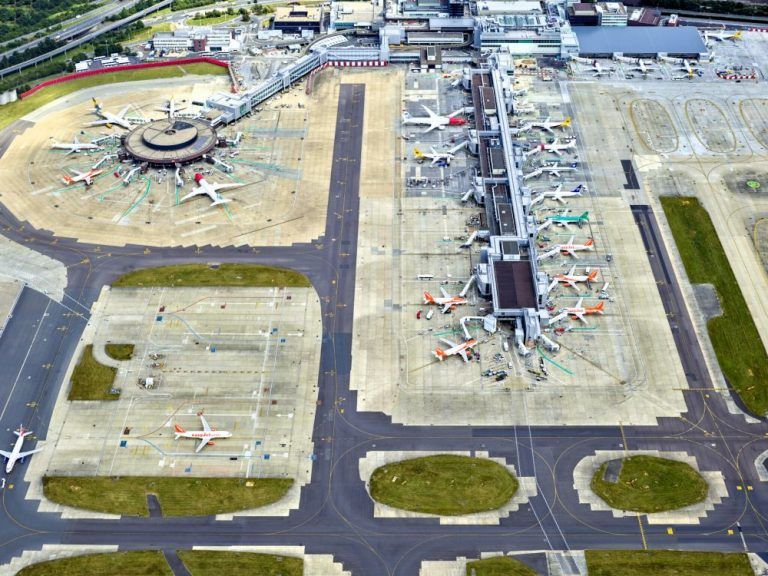
A first consequence of Bahrain international airport unstable environment: Asia low-cost carrier AirAsiaX decided to definitely postpone the launch of its new Bahrain-London Gatwick route. Due to start on August 27 with four weekly services, the route has been removed with no date for a potential opening…
Saudi Arabia sees selective disruption
Saudi Arabia’s aviation network has remained more resilient than some neighboring markets, although some routes have been affected by regional instability and airspace constraints.
Airlines have adjusted services to destinations including Riyadh, Dammam and other Saudi airports, while authorities continue monitoring regional developments.
Travel advisers and governments have warned passengers that flight schedules may change at short notice as airlines respond to security developments.
The UK Foreign Office has updated travel guidance for several Gulf destinations, including Bahrain and Kuwait, following renewed regional tensions.
For travelers connecting through Gulf hubs, airlines recommend checking flight status directly with carriers, allowing extra time at airports and avoiding unnecessary airport visits until flights are confirmed.
The Gulf remains one of the world’s most important aviation corridors, linking Europe, Asia, Africa and Australia. Any prolonged disruption could create wider knock-on effects.