After U.S. president Donald Trump announced 40 times to sign a peace settlement agreement with Iran, both countries finally agreed to sign up a Memorandum of Understanding (MoU) for a peace agreement between both countries. How fast will it however translates into a noticeable drop in air fares?
According to the Atlantic Council, a think-tank and forum advising at policy choices and strategies for a more peaceful world -under the “Pax Americana”, the MoU is a fourteen-point plan that codifies the tenuous ceasefires in Iran and Lebanon and outlines areas for future negotiations.
“It will most likely temporarily reduce violence, increase maritime traffic, and provide parties with more time to hammer out details. It does not appear to resolve the core issues surrounding the mechanics of the Strait of Hormuz, Iranian nuclear concessions, or Iranian financial incentives and sanctions relief. Those issues are supposed to be addressed in a second phase”, writes the think tank.
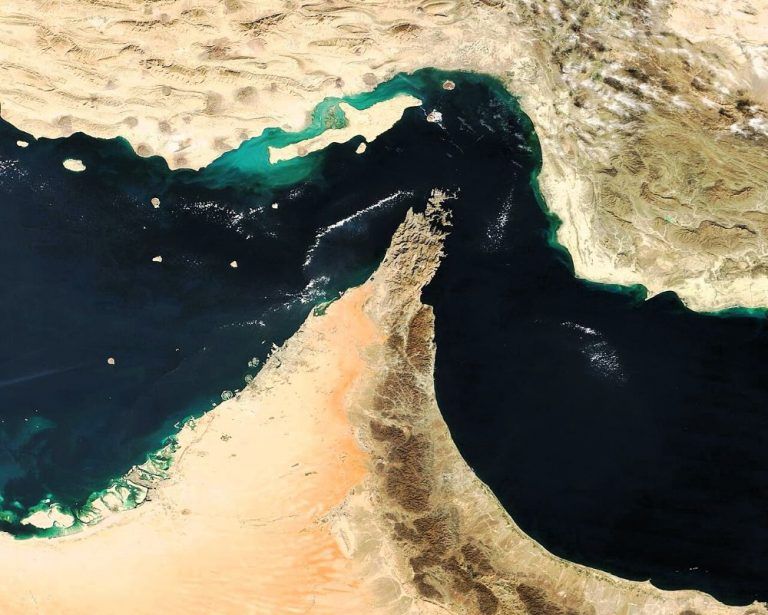
Nonetheless, it had already a first immediate effect: a decline in oil prices. Crude prices fell sharply on Monday, after Washington and Tehran reached a deal that eased fears of disruptions to one of the world’s most important energy shipping routes. The Strait of Hormuz handles roughly a fifth of global oil supplies, and any threat to traffic through the narrow waterway typically sends fuel prices higher.
Drop in oil prices accelerates
Since its peak on May 4 when a barrel of Brent crude reached US$114, Brent price declined by 37% to reach on Monday, June 15, US$83.50. It is however still 36% higher than on January 1, 2026 when the price was around US$61.
Some analysts expect Brent crude could move back toward the $70-$80 per barrel range if the peace deal is implemented successfully and Iranian oil exports recover. However, any setback in negotiations could send prices higher again.
For airlines, lower oil prices are welcome news. Fuel remains one of the industry’s biggest expenses, accounting for around 20% to 30% of operating costs.
Air fares will take longer to come down
Unfortunately, travelers should not expect immediate savings. Airlines generally purchase jet fuel months in advance and many carriers hedge their fuel exposure, meaning current declines in crude prices take time to work their way through to airline balance sheets. In addition, strong travel demand and constrained aircraft supply continue to support high fares across many markets.
Industry analysts say sustained lower oil prices could begin translating into more competitive fares later in the year, provided geopolitical tensions remain subdued and energy markets stabilize.
Long-haul routes are likely to see the biggest impact. Flights between Asia, Europe, North America and the Middle East are particularly sensitive to fuel costs because of the distances involved. Domestic and short-haul services, where airport charges and labor costs play a larger role, may see less noticeable reductions.
For now, the agreement has brought some relief to energy markets and raised hopes that travel costs may eventually follow suit.
While passengers are unlikely to see lower airfares in the coming weeks, the prospect of cheaper tickets toward the end of 2026 has improved, particularly for international travelers planning long-haul journeys.