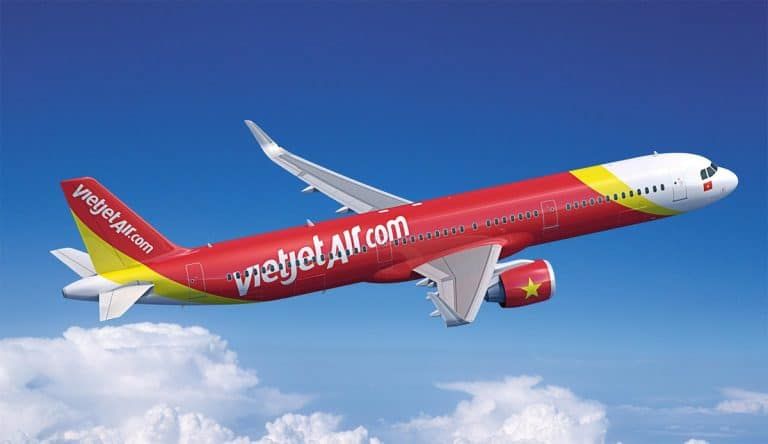
Vietnamese low-cost airline Vietjet is preparing an ambitious expansion into Australia’s domestic aviation market, a move that could redistribute cards in one of the world’s most concentrated airline sectors.
According to reporting by the Australian Financial Review, Vietjet has applied to Australia’s Civil Aviation Safety Authority (CASA) for an Air Operator Certificate (AOC) to establish a locally incorporated airline that would operate domestic services across the country.
If approved, the airline would become the first foreign-owned carrier in more than a decade to directly challenge the dominance of Qantas and Virgin Australia on Australia’s busiest domestic routes.
The proposed startup would initially operate a fleet of 10 Boeing 737 aircraft, focusing on the lucrative Sydney-Melbourne-Brisbane “Golden Triangle,” which accounts for the largest share of Australia’s domestic air travel demand. The Sydney-Melbourne corridor alone ranks among the world’s busiest airline routes.
Industry observers say the timing is significant. Australia’s domestic market has effectively become a two-player contest after the collapse of Bonza in 2024 and the withdrawal of Regional Express (Rex) from major capital city routes. Those exits reduced competition and contributed to higher domestic airfares.
Vietjet appears to see an opportunity to introduce a new ultra-low-cost option for Australian travelers while leveraging its growing presence in the country through international services.
Six to 12 months to get an operating licence
The carrier already flies between Vietnam and five Australian cities—Sydney, Melbourne, Brisbane, Perth and Adelaide—using Ho Chi Minh City as its primary gateway. The airline has steadily expanded its Australian network over the past several years as demand for travel between the two countries has grown.
Australia’s aviation regulations are relatively liberal regarding airline ownership, allowing foreign investors to establish locally based carriers, provided they meet safety, financial and operational requirements. However, obtaining an AOC is a lengthy process that typically takes between six and 12 months while CASA assesses an airline’s operational readiness and financial viability.
Reports also indicate Vietjet has secured a significant allocation of takeoff and landing slots at Sydney Airport for the upcoming northern winter schedule, although those slots cannot be used until regulatory approval is granted.
Vietjet has built a reputation as one of Asia’s fastest-growing low-cost airlines and already operates airline subsidiaries in Thailand and Kazakhstan.
The proposal is likely to be welcomed by many Australian consumers and tourism stakeholders eager to see greater competition return to the domestic market. Increased competition could help moderate fares while expanding travel options between Australia’s largest cities.
Whether Vietjet can succeed where previous low-cost entrants such as Tigerair Australia and Bonza ultimately failed remains to be seen. Australia’s vast geography, high operating costs and competitive airline market have proven challenging for new entrants.