Global airline capacity for the 2026 summer season presents a mixed picture, with geopolitical tensions, changing passenger demand, and shifting competitive dynamics all influencing network planning, according to the latest aviation market analysis from air transport consultant OAG.
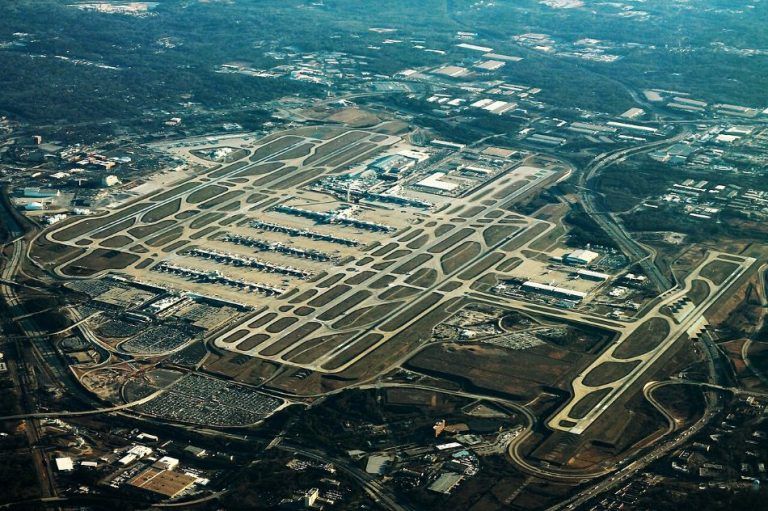
During OAG‘s monthly webinar, Chief Analyst John Grant and Deirdre Fulton were joined by Rebecca Francosky, Director of Air Service Development at Hartsfield-Jackson Atlanta International Airport, to examine how airlines are adjusting capacity and frequencies for the peak travel season.
One of the strongest themes to emerge was the industry’s growing ability to react rapidly to geopolitical events.
Recent tensions in the Middle East prompted several European airlines, including British Airways, to quickly reduce services to the region and redeploy aircraft elsewhere. Capacity was shifted to stronger-performing markets such as India, South Africa and transatlantic routes, demonstrating the flexibility airlines now have in reallocating aircraft.
Just as significant, Grant noted, is how quickly those same carriers can restore services once operating conditions improve, highlighting a much more agile approach to network planning than in previous years.
Global capacity remains uneven
Regional trends show meanwhile an uneven recovery across international markets.
North and West Africa continue to record healthy growth in airline capacity, while Central America, Mexico and Canada are experiencing declines compared with last summer.
Europe remains largely flat overall, although the figures mask an important structural shift within fleets. Rather than adding significant numbers of seats, OAG found that many European airlines are reconfiguring aircraft cabins to increase premium and premium economy offerings. On some aircraft, nearly half of all available seats are now premium products, reflecting airlines’ continued focus on higher-yield travelers over simple passenger volumes.
The North American market is also showing modest growth. Domestic airline capacity is up only 0.8% compared with last summer despite the collapse of Spirit Airlines earlier this year.
However, international capacity has fallen 2% year over year. The reduction comes despite the FIFA World Cup being hosted in the United States, Canada and Mexico, an event that many industry observers expected would generate stronger aviation demand.
Disappointing World Cup impact
According to OAG’s analysis, the tournament has attracted significant crowds, but much of that travel has not translated into higher airline demand.
Many fans appear to be traveling by car between host cities rather than flying, limiting the anticipated boost in domestic and international air traffic.
Among the 16 World Cup host cities, nine recorded year-over-year increases in domestic airline capacity during June.
San Francisco, Philadelphia and Guadalajara posted the strongest gains, with domestic capacity rising between 6.5% and 7.9%.
International capacity also increased in nine host cities, although growth varied considerably. Dallas recorded a 3.8% increase, while Monterrey saw international capacity surge by 15.2%, even as both cities experienced declines in domestic services.
However, Miami, despite staging four group-stage matches, recorded declines in both domestic and international capacity compared with last year. Similar downward trends were reported in Atlanta, Los Angeles, Houston and Vancouver.
Spirit’s exit reshapes competition
The collapse of Spirit Airlines is also reshaping the competitive landscape across the United States.
Its former stronghold at Fort Lauderdale has seen competitors, particularly JetBlue, quickly move to fill the void. OAG estimates that nearly all of Spirit’s former routes have already been taken over by rival airlines, leaving only a handful of smaller, less profitable markets without replacement service.
However, the recovery has not been uniform. Atlanta remains around 500,000 passengers below previous traffic levels, illustrating that some markets continue to feel the effects of Spirit’s disappearance.
OAG presentation with additional data is available by clicking here.