Philippines AirAsia has revised its planned international expansion from Cebu, delaying the launch of a new Vietnam route while cutting frequencies on a planned Thailand service during the initial rollout period.
According to the latest schedule update, the carrier’s planned Cebu–Bangkok Suvarnabhumi route will now operate four times weekly instead of daily between June 12 and September 30, 2026. The service will continue to be operated with Airbus A320 aircraft. Daily flights are now scheduled to restart from October 1, 2026, several months later than originally planned.
At the same time, the airline has postponed the launch of its new Cebu–Hanoi service. The route was initially due to start on June 11, 2026, but will now begin on October 1, 2026 with four weekly A320 flights. Bangkok and Hanoi are considered key growth markets for Philippine outbound tourism.
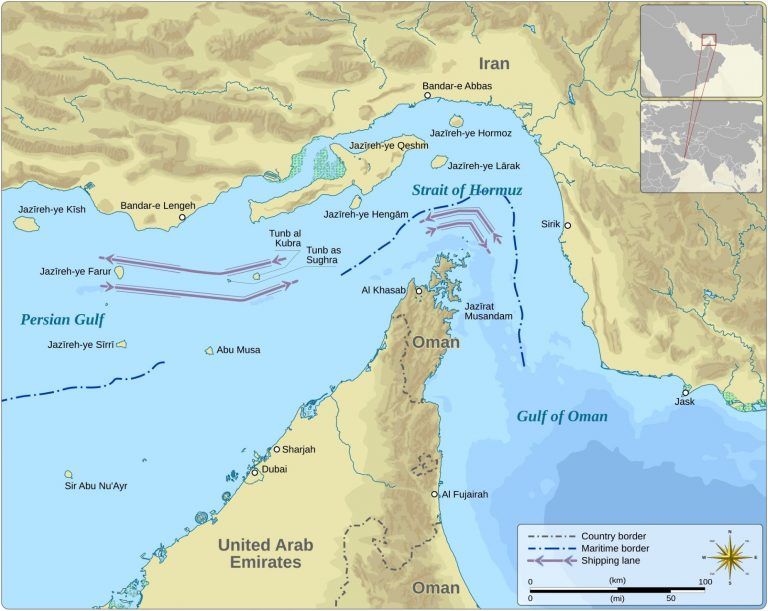
The adjustments suggest a more cautious approach to international capacity growth from Cebu as airlines across Asia continue to fine-tune expansion plans in response to weakening demand due to a strong rise in air fares following the Gulf war but also due to aircraft availability and rising operating costs. Shortage in jet fuel in Asia is another major issue affecting currently all airlines in the region.
Cebu remains however a strategic secondary hub for Philippines AirAsia and one of the country’s fastest-growing international gateways outside Manila.
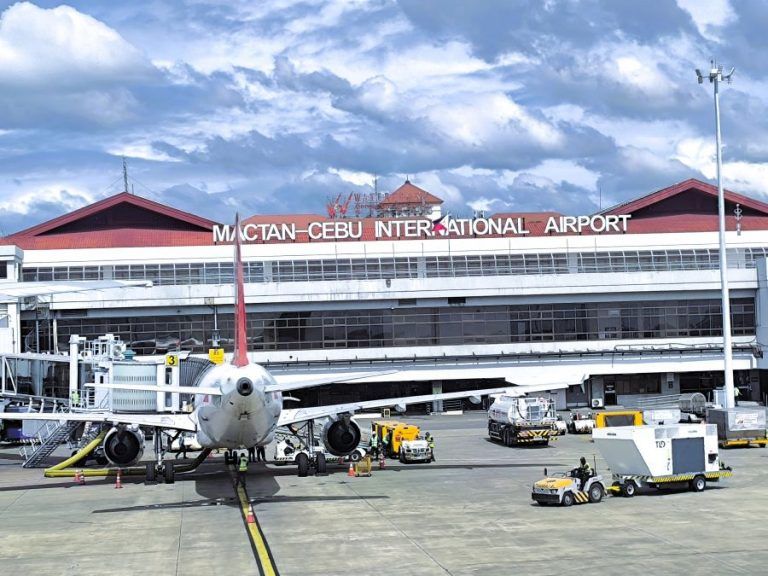
The airline has steadily expanded connectivity from Mactan-Cebu International Airport in recent years, targeting both leisure and vfr traffic. The AirAsia group is currently linking Cebu to Caticlan (Boracay), Davao, Iloilo and Manila NAIA on the domestic front while connecting internationally the island to Kuala Lumpur and Macao.
The revised timetable also reflects broader regional trends among low-cost carriers, many of which are prioritizing profitability and route performance over rapid expansion.
Despite the short-term reductions, the planned October increase indicates Philippines AirAsia still sees long-term potential for Cebu as an international hub. The carrier continues to compete aggressively with Cebu Pacific and Philippine Airlines in the growing regional travel market.