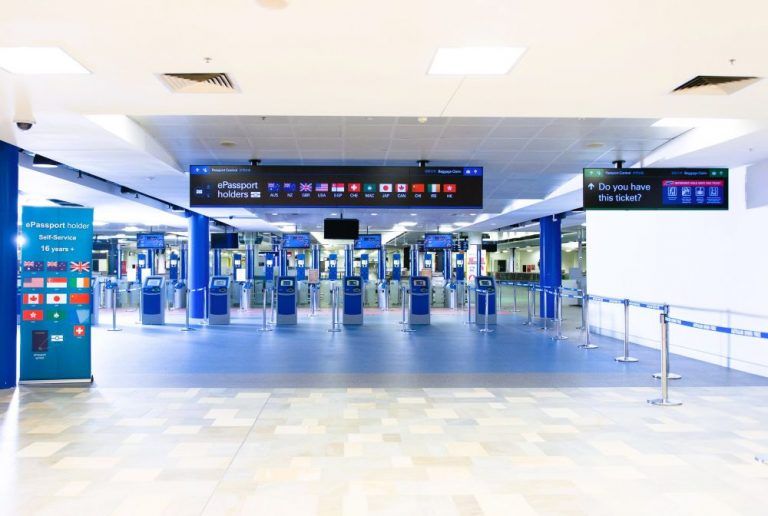
Australia is set to modernize its border entry process by replacing its long-standing paper Incoming Passenger Card with a digital Australia Travel Declaration (ATD), making arrivals faster and more convenient for millions of international travelers.
The Australian government has committed A$56.1 million (US$36.8 million) to introduce the new digital declaration as part of a broader border modernization program. The initiative follows a successful pilot conducted with Qantas and the Australian Border Force.
The paper declaration requires travelers to provide personal information and declare food, plant, and animal products for biosecurity screening. Under the new system, eligible passengers can complete the declaration online up to 72 hours before departure, significantly reducing paperwork upon arrival.
Nationwide rollout through 2027
The digital Australia Travel Declaration has been on trial since October 2024 on selected Qantas international flights arriving in Brisbane, before expanding to Sydney and Melbourne.
The rollout will continue in stages:
-
By the end of 2026: The Qantas pilot will expand to include international arrivals into Perth and Adelaide.
-
From 2027: A web-based version of the Australia Travel Declaration will become available to passengers traveling on all airlines.
-
Before the end of 2027: The digital declaration will be introduced across all Australian international airports and seaports, replacing the paper Incoming Passenger Card nationwide. Airline app integration is also planned as the system expands.
Initially, travelers will complete the declaration through an official government web form. During the Qantas pilot, passengers submit the form through the airline’s mobile app and receive a QR code that is scanned by border officials upon arrival.
The official information and, when available, the web-based Australia Travel Declaration can be accessed through the Australian Border Force’s Australia Travel Declaration pages: Australian Border Force – Australia Travel Declaration
Australia Trade and Tourism Minister Don Farrell said the new process would allow visitors to spend less time completing forms and more time enjoying Australia.
Home Affairs Minister Tony Burke described the investment as essential to creating a more seamless and secure border, while Agriculture Minister Julie Collins stressed that Australia’s strict biosecurity standards would remain unchanged despite the move to digital processing.
According to the government, the digital declaration will improve the quality of passenger data, strengthen biosecurity risk assessments, allow authorities to respond more quickly to global health or agricultural threats, and support Australia’s long-term vision of a biometric-enabled, paperless border experience.
The reform also answers long-standing calls from the tourism industry. A 2024 report by the Australian Chamber of Commerce and Industry described the paper arrival card as outdated and argued that modernizing Australia’s border processing could boost the national economy by as much as US$34 billion annually through improved travel efficiency and competitiveness.