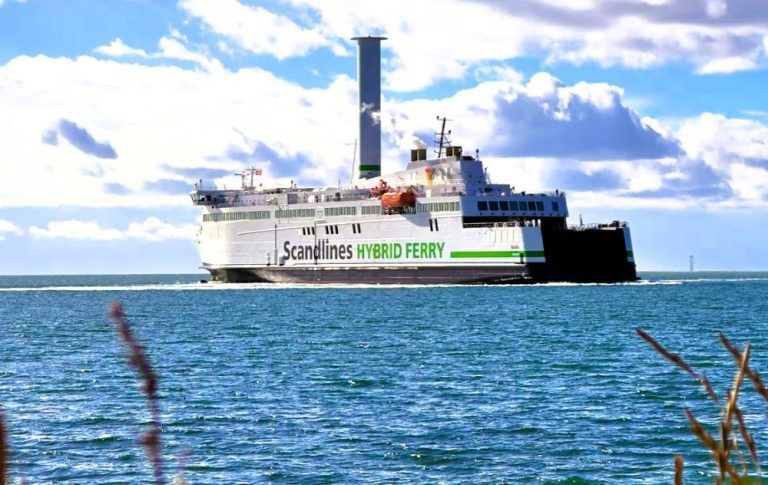
Scandlines is preparing for its busiest summer season ever by increasing passenger capacity and releasing 150,000 low-fare tickets for travelers driving between Germany and Scandinavia.
The ferry operator expects to carry around one million passengers in July alone on its Rødby–Puttgarden and Gedser–Rostock routes, with almost 100,000 travelers were recorded during the busiest week-end of the year on July 18 and 19. On Saturday, July 18, the company recorded its busiest day of the year, with more than 50,000 passengers crossing between Denmark and Germany.
“We expect around one million passengers to travel on our ferries during July,” highlights Lars Kyrø, Scandlines’ Director of Consumer Sales.
To handle the seasonal rush, Scandlines has increased staffing levels at its ports and onboard its ferries.
“We have prepared thoroughly and have all hands on deck to ensure a smooth experience for our guests,” Kyrø said.
The operator expects to transport a total of around 2.5 million passengers during June, July and August, accounting for nearly half of its annual passenger traffic.
More passenger space than ever
A key factor behind the additional capacity is the deployment of Scandlines’ new freight ferry, The Baltic Whale, which now handles a larger share of truck traffic on a dedicated freight service.
By shifting heavy goods vehicles away from the hybrid passenger ferries, Scandlines has freed up more space for cars and leisure travelers on its main Denmark-Germany crossings. The company says it is offering its highest passenger capacity ever during the peak holiday season.
To encourage advance bookings, Scandlines has made 150,000 Low Price tickets available for sailings on the Puttgarden–Rødby and Rostock–Gedser routes.
The discounted fares are valid for departures throughout July and August, although the greatest availability is on weekdays and during quieter travel periods, particularly between 8 p.m. and 6 a.m. Low Price tickets are tied to the booked departure and cannot be used on other sailings.
Scandlines uses dynamic pricing, meaning fares generally increase as departures fill and travel demand rises. Travelers who book early or choose off-peak crossings can secure the lowest prices while avoiding the busiest traffic.
The ferry operator also notes that, for motorists heading to Scandinavia, combining the journey with a ferry crossing can provide a faster route to Copenhagen than driving entirely overland through Denmark.