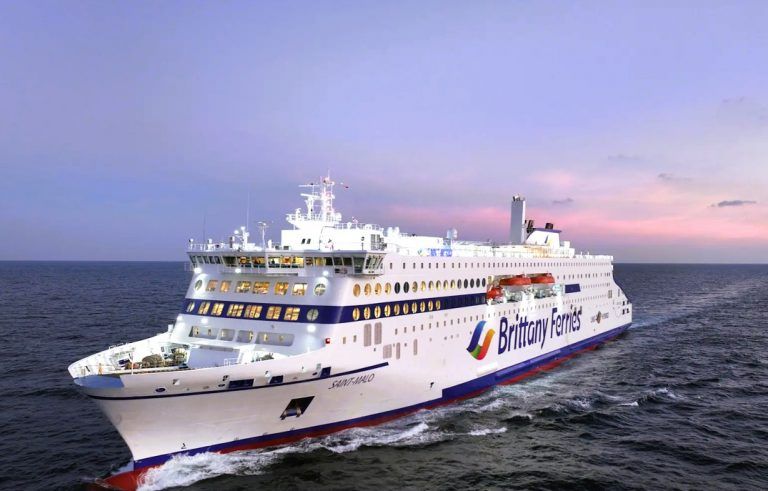
British Airways’ crew failed to act on warnings from worried passengers about a fuel link on a flight from London to Oslo until one of the engines burst into flames, forcing the pilot to return to Heathrow.
A report by the Air Accident Investigation Bureau (AAIB) said that it was clear from passengers’ reports and photos taken by them that the fuel leak was ‘clearly visible’ through the windows of the A319.
Several of the 75 passengers onboard had alerted the cabin crew by pressing their call buttons shortly after take-off and although one member of the crew examined one of the engines, she didn’t spot the fuel leak.
She did, however, report visible damage to the engine to the flight crew. Minutes later the right engine burst into flames.
The captain made an emergency landing on one engine at Heathrow and all passengers and the five crew were safely evacuated via the emergency slides, but not before the flight deck had been warned by fire services to turn off the left engine, which had accidentally been left on.
As a result of the emergency on May 24, 2013, the AAIB has made several safety recommendations, including asking BA to review its crew training for in-flight damage assessment and its evacuation procedures.
BA executive chairman Keith Williams, said: "The safety of our customers and crew is always our highest priority.
"The changes we have already made to our procedures, along with the safety recommendations for EASA and Airbus, will prevent occurrences of this type of incident in the future."
The AAIB investigation found that the fan cowl doors on both engines, which had accidentally been left unlatched, had blown off during take-off, damaging a fuel pipe. It blamed this on fatigued maintenance workers who had carried out scheduled work on the aircraft overnight. They had intended to return to the A319 to secure the doors, but went to the wrong aircraft.
It was not their usual shift and they were working overtime.
When the co-pilot carried out the usual external inspection of the aircraft prior to take-off, he didn’t spot that the doors were unlatched.
The report said: "Both technicians were working in compliance with the company’s working time policy. However, analysis of their working time records showed that there was an increased risk that their performance could be compromised by fatigue.
"This was induced by the significant level of planned and overtime working that they had carried out prior to and including the shift in question."
BA said the company had since restructured its overnight engineering teams.