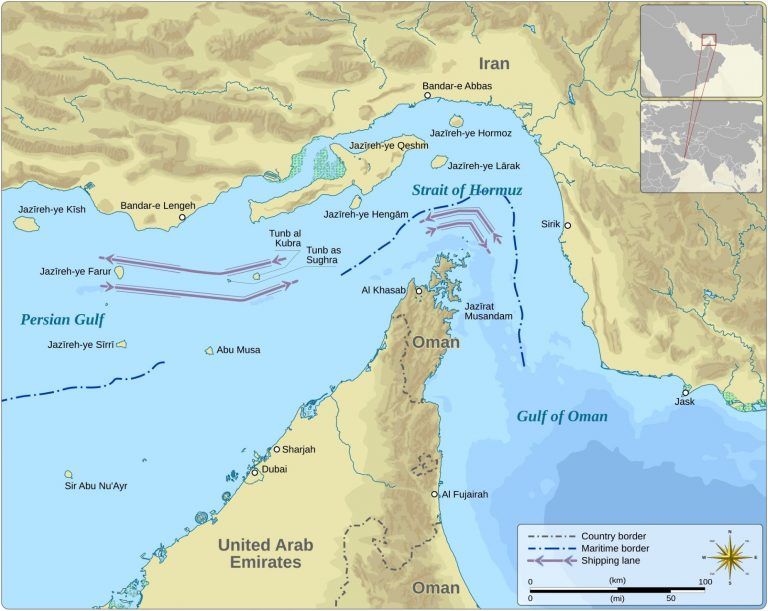

The economic impact of the conflict in the Middle East is still being keenly felt in the UK, both in terms of how consumers are spending their money, and how confident they feel about their financial situation. This is the conclusion of Karen Johnson, Head of Retail at Barclays Bank for the series “UK Unblocked”, which analyzes the state of the economy.
In April, Barclays saw consumer card spending decline by -0.1% year-on-year (representing its first fall since November 2024 when it dropped by -0.5%), meaning it was far below the latest CPIH inflation rate of 3.4%.
Non-essential spending declined by -0.3%, a fall from the 1.1% increase Barclays saw in March. Essential spending rose by 0.3%, a change driven by spending on fuel, which was up by 10.4%, its largest rise since December 2022.
Looking through Barclays’ survey data, the company can see the conflict in the Middle East is still front of mind for consumers. More than seven in 10 (72%) say they expect tensions in the Middle East to impact the cost of living throughout 2026, with energy bills (85%), inflation (84%), and food prices (84%) the biggest causes for concern.
Travel spending stalls
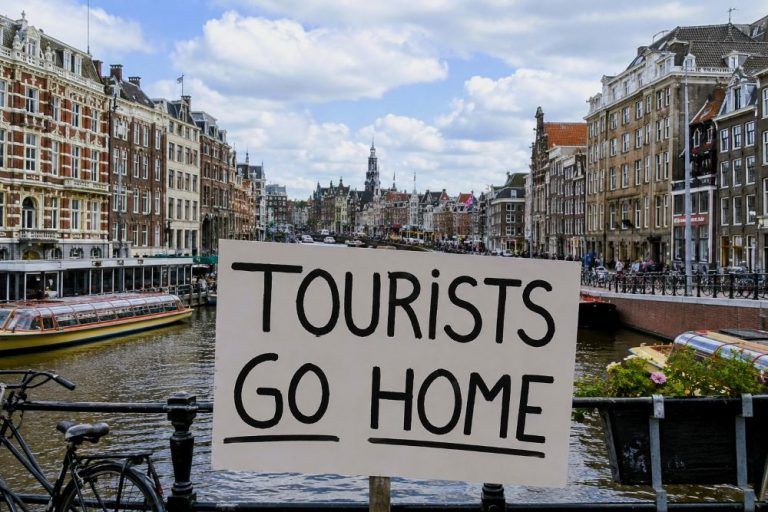
In the meantime, 16% of UK consumers say they are putting off making decisions about travel amid the Middle East conflict.
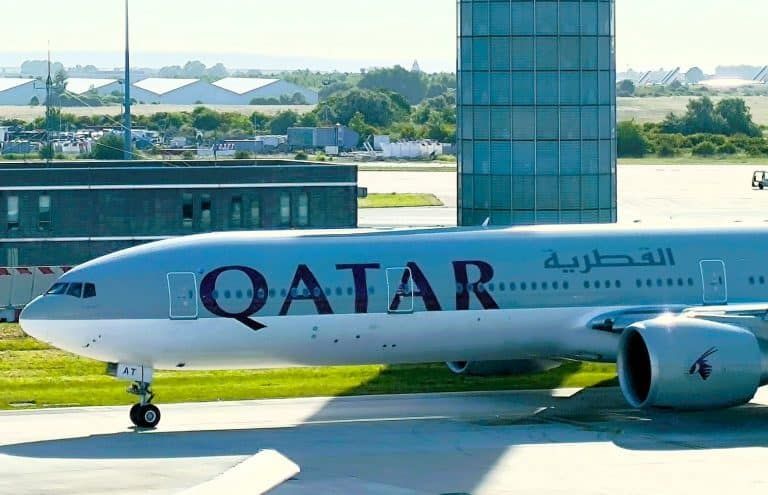
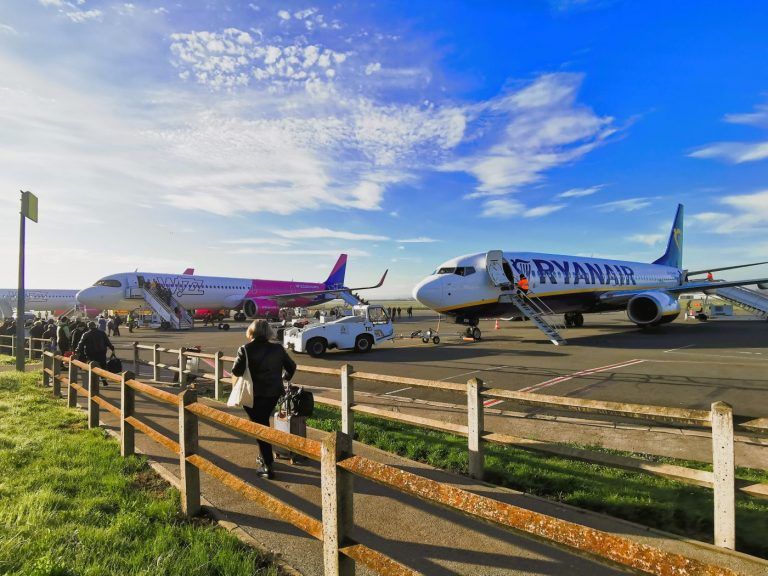
After five years of consistent growth, travel spending fell by -3.3% in March, its first drop since 2021, before COVID-19 travel restrictions were lifted. That decline accelerated in April, with spending down -5.7%, and airline spending down -8.3%.
In light of the Middle East conflict, consumers are concerned about travel costs (70%) and travel disruption (62%), with one in six (16%) putting off vacation decisions until things have stabilized. However, one in eight (13%) say despite the cost pressures and geopolitical situation, they are still prioritizing vacations in 2026.
One in five (19%) say they are planning a staycation this year, opting for a UK break to save money (43%), reduce the risk of uncertainty (35%), and avoid air travel (24%).
Spending on public transportation fell by -3.5% in April, after 52% of Londoners were affected by strike action that took place between April 21-24. Of this group, three in 10 say they avoided non-essential trips (29%) and changed their mode of transportation (28%).