A 12-week consultation has begun on plans to halve air passenger duty (APD) on flights from Scottish airports.
Powers to replace UK APD are due to be devolved to the Scottish Parliament under the Scotland Bill.
The Scottish Government wants to reduce the overall burden of APD by 50%, with a reduction introduced in April 2018 and delivered in full by the end of the next Parliament.
The consultation will invite views on how the reduction should be structured and how the tax should be operated.
The Scottish Government said the tax will be abolished entirely when resources allow.
Deputy First Minister John Swinney said: "UK APD is one of the most expensive taxes of its kind in the world. It continues to act as a barrier to Scotland’s ability to secure new direct international routes and maintain existing ones."
The plans are being supported by airline bodies BARUK and the British Air Transport Association (BATA).
BAR UK chief executive Dale Keller said: "The Scottish Government is leading the way on tackling this punitive departure tax on air passengers, and by doing so is sending a strong message to The Chancellor ahead of his Budget on Wednesday.
"If it makes sense for Scotland to consult on the best ways to reduce and then scrap this tax, then it’s most surely time that Westminster does the same and, by so doing, take affirmative action towards unlocking the full economic potential for the UK as a whole."
BATA chief executive Nathan Stower agreed, but also warned that devolution will have knock-on consequences for airports in northern England as passengers travel across the border to pay less tax.
"APD distorts competition and hinders economic growth. We look forward to its full abolition as soon as possible," he added.
A spokesperson for Liverpool John Lennon Airport said it was one of the airports that risked being at a disadvantage.
"If there are to be cuts in APD of 50% at airports in Scotland, then these need to be matched elsewhere across the UK.
"We would hope that sense will prevail and that the UK Government would subsequently ensure a consistent charging regime across all parts of the UK, so as not to put airports such as Liverpool at a disadvantage compared to those in Scotland, and to airports across Europe where aviation taxes are already significantly lower than in the UK."
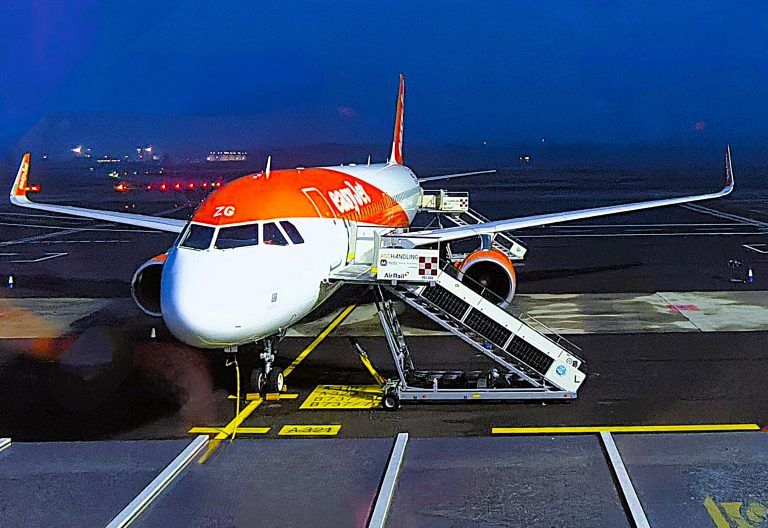
EasyJet UK director Sophie Dekkers said if the proposed cut goes ahead in 2018, it would expect to increase flights to and from Scotland by around 30%.
"This would deliver more services and routes for passengers in Scotland, including to European cities without a current direction connection, as well as the economic benefits of a larger easyJet operation in Scotland," she said.
"We strongly welcome the Scottish Government’s commitment to halve the tax for passengers. They have rightly recognised that cutting the tax will boost tourism, investment and business activity in Scotland."