
Culture remains the driving force behind Italy’s tourism success, but the country’s visitor economy is increasingly concentrated in a limited number of destinations, according to the 22nd Annual Federculture Report, Cultural Enterprise – The Culture that Changes Territories.
Presented at Italy’s Ministry of Culture in Rome on July 21, 2026, the report highlights the growing importance of cultural tourism while warning that its economic and social benefits are unevenly distributed across the country.
Italy recorded 476.4 million overnight tourist stays in 2025, up 2.2% from 2024 and 9.8% above pre-pandemic 2019 levels. Yet almost two-thirds of those stays were concentrated in just 1,024 municipalities (equivalent to only 13% of Italy’s municipalities) identified as destinations with strong cultural and scenic assets.
55% of visitors to cultural territories are foreigners
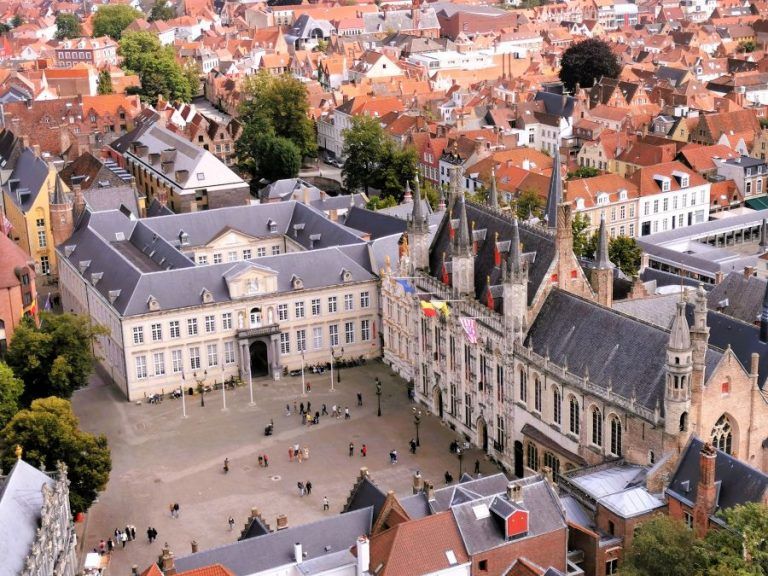
These cultural destinations accounted for 63% of all overnight stays, reinforcing the central role that museums, historic cities, UNESCO World Heritage sites and cultural landscapes continue to play in attracting visitors.
International tourism is also becoming increasingly important. Foreign visitors now represent more than 55% of tourism in Italy’s cultural territories, rising to 58% in municipalities with a strong cultural vocation and 73% in the country’s major art cities.
The economic benefits are equally significant. Average taxable income in large cities and municipalities with a strong cultural identity reaches €25,600 per taxpayer, 8.5% higher than the national average of €23,600. In other tourism-focused municipalities without a strong cultural component, average taxable income is €22,000, around 16% lower.
Federculture also points to culture’s growing role in Italy’s recovery and regeneration efforts through the National Recovery and Resilience Plan (PNRR). The program funded 342 culture-related projects aimed at reducing marginalization and social degradation.
These projects represent 17% of all approved initiatives, representing approximately €800 million, nearly 20% of the available resources. Investments include the restoration of cultural heritage, theaters, live performance venues and other cultural spaces.
36% of Italians visit museums and exhibitions
The report also highlights growing public participation in cultural activities. In 2025, 48.2% of Italians went to the cinema, while 35.8% visited museums and exhibitions, up from 33.6% a year earlier. Theater attendance reached 24.3% of the population.
Young people are driving the recovery. More than 77% of Italians aged 15 to 24 went to the cinema during the year. However, regional disparities remain pronounced. More than 40% of residents in northwestern Italy visited museums or exhibitions, compared with only about 26% in southern regions.
“The growth in audiences confirms that demand for culture in Italy is strong,” said Andrea Cancellato, president of Federculture. He called for more stable support for the sector, including strengthening initiatives such as the Art Bonus and the Culture Fund, to reduce regional inequalities and help cultural organizations meet growing demand.
Alberto Bonisoli, director of Federculture’s Research Office, said the data show “clear growth in cultural participation, with significant increases in cinema attendance, live performances, and visits to museums and archaeological sites.” He noted that the trend is being driven primarily by younger generations, while participation among older population groups remains comparatively weaker.
Federculture concludes that if culture is one of Italy’s most strategic economic assets, the challenge now is ensuring that tourism growth and investment benefit a much broader range of destinations.