Foreign visitors will soon have to pay to access some of New Zealand’s most iconic natural attractions. New Zealand Department of Conservation (DOC) will introduce the new charges in 2026.
DOC manages over 15,000 heritage sites, including villages, whaling stations, lighthouses, WWII defences, and mining relics. These places attract tourism worth around US$780 million (NZ$1.3 billion) each year.
The new fee will help fund a US$2.7 million (NZ$4.5 million) project to boost tourism at culturally significant sites. “It will create jobs and raise incomes in rural areas,” said New Zealand Conservation Minister Tama Potaka.
The money will indeed come from the international visitor levy and support the expansion of Tohu Whenua heritage sites with their already rich experiences. New regions like Manawatū-Whanganui and Southland will be added.
The program aims to offer more authentic, high-quality visitor experiences with better storytelling and facilities. New sites include Kate Sheppard House and Kaikōura Peninsula. They join others like the Waitangi Treaty Grounds, Te Ana Ngāi Tahu Rock Art Centre in Timaru, and Historic Hayes in Otago.
New Zealanders not affected by the new levy
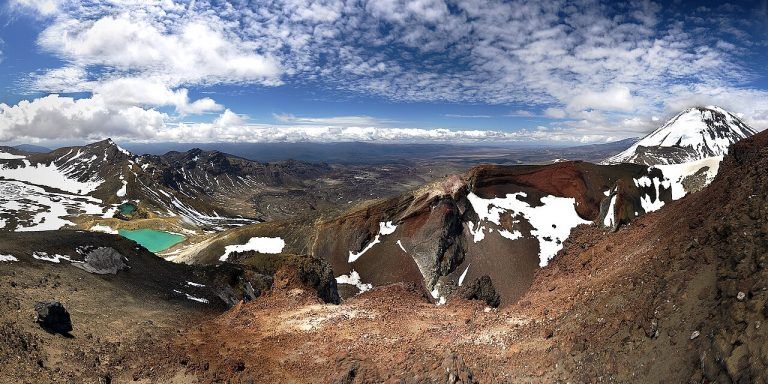
Tourists will pay between US$12 and US$24 (NZ$20–$40) to visit hotspots such as Cathedral Cove, Tongariro Crossing, the Milford Track, and Aoraki/Mount Cook. New Zealanders will still get in for free.
Tourists make up 80% of visitors at these places. Potaka said the fee could raise up to US$37 million a year, all of which will go back into site maintenance.
“Tourists are vital to our economy,” Potaka said. “But we also need to protect the places they come to see.”
New Zealand Prime Minister Christopher Luxon backed the plan. “These places are truly special. Many overseas friends are surprised they’ve been free to visit. This change helps DOC protect them,” he declared in local media.
The move follows a similar model to the Auckland War Memorial Museum, which already charges foreign adults US$19.