International tourist arrivals grew by 7% in the first eight months of 2010, compared to 2009.
According to the latest global tourism figures from UNWTO, unveiled today at World Travel Market in London, international arrivals reached 112 million and 108 million in July and August respectively.
The 220 million total for the two months represented an extra 8 million arrivals over arrivals in the peak year 2008, and 12 million more compared with 2009, regarded a ‘crisis’ year.
An overview of the first eight months of the year showed growth was strongest in March (9%), May (11%) and June (9%).
April showed the weakest results (2%) following the closure of European airspace due to the Icelandic volcano’s ash cloud.
The UNWTO report said although recovery is still lagging in parts of Europe and the Americas, many destinations are setting new records.
Asia and the Pacific posted an impressive 14% growth in international arrivals through August 2010.
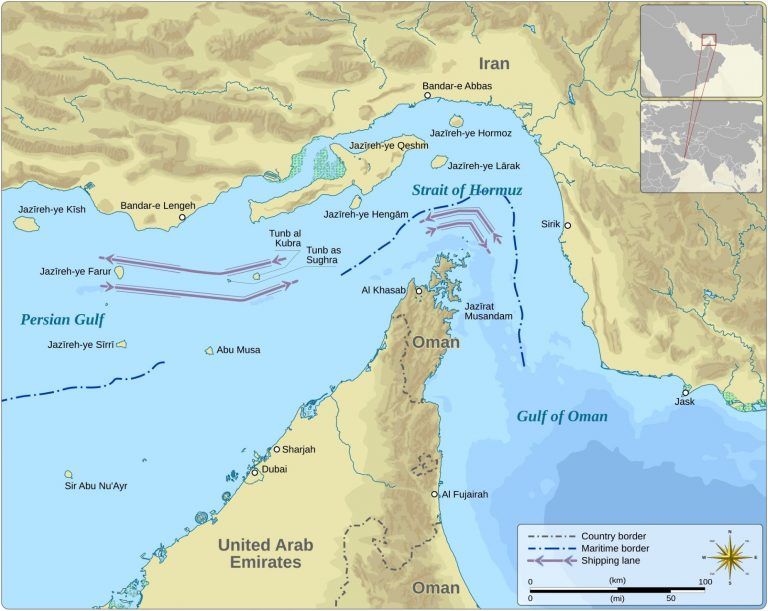
Growth was also strong in the Middle East (16%), although this was on a very depressed first eight months in 2009.
Africa (9%), the only region to show growth in 2009, maintained the momentum, further helped by the worldwide publicity created by the FIFA World Football Cup hosted by South Africa.
In the Americas (8%), growth has been strong in North and Central America (9%). South America (7%) is on a par with the worldwide average, while the Caribbean (3%) is showing a lower rate of growth.
But Europe (3%) is recovering at a slower pace, due to the uneven economic recovery and the impact of the volcanic ash cloud in April.
“These results reinforce the message that we have been underscoring since the outbreak of the global crisis at the end of 2008 – that tourism is one of the most dynamic economic sectors and a key driver in creating much needed growth and employment,” said UNWTO secretary-general, Taleb Rifai.
“In spite of tourism’s proven contribution to the economy, there has been an increased temptation to introduce and increase taxation on travel, particularly on air transport.
“These impediments seriously affect our capacity to generate jobs and stimulate economic growth, namely through export earnings that are crucial to a stable economic recovery.”
By Bev Fearis