Vietnam’s former imperial capital of Hue is positioning its rich cultural heritage as a key economic driver, with tourism expected to play a central role in delivering ambitious double-digit growth targets.
According to the Vietnam News Agency (VNA), authorities in the centrally governed city are seeking to turn centuries of cultural assets into a modern engine for economic development, while attracting fresh investment into tourism, services and creative industries.
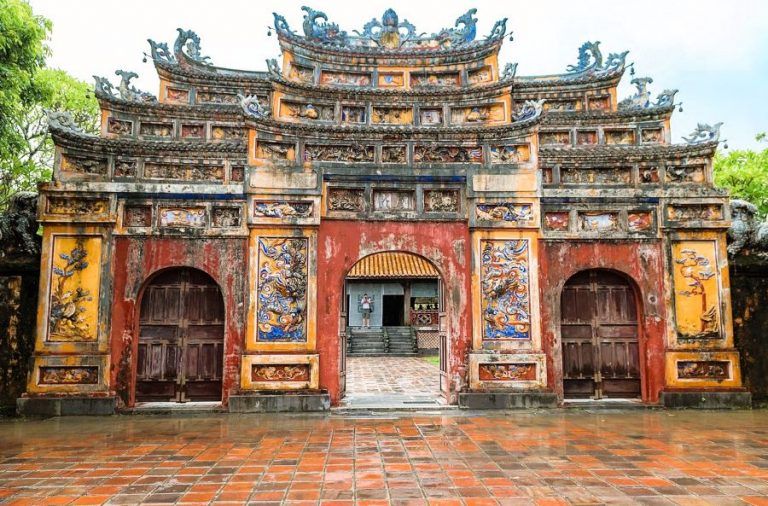
Hue boasts one of Vietnam’s richest concentrations of heritage. Its attractions include the UNESCO-listed Complex of Hue Monuments, Royal Court Music, Nguyen Dynasty Woodblocks and Imperial Archives, alongside living traditions such as royal cuisine, folk singing, craft villages, festivals and the iconic ao dai clothing.
These assets are complemented by natural attractions ranging from Chan May-Lang Co Bay and the Tam Giang-Cau Hai Lagoon to the forested landscapes of western Hue.
Dr. Cung Trong Cuong of the Hue City Institute for Development Studies told VNA that the city’s strength lies not only in the number of heritage sites but also in their depth and authenticity. Visitors can experience architecture, music, cuisine and local life in ways rarely found elsewhere in Southeast Asia.
Tourism growth has accelerated in recent years, helped by initiatives such as the Hue Festival, evening tours of the Imperial Citadel, the Perfume River pedestrian area, community tourism and craft village experiences.
Hue welcomed 6.3 million visitors in 2025, up 61.5% from 2024. International arrivals reached 1.9 million (up 40.6%) with top sources being France, the U.S.A. and the UK. Tourism generated over VND13 trillion (approximately $494.2 million USD) in total revenue.
In the first five months of 2026 alone, arrivals reached almost 3.6 million, while tourism receipts climbed to approximately US$319 million, representing growth of nearly 70% compared with the same period last year, according to VNA.
Despite the strong performance, officials acknowledge that visitor stays remain relatively short and spending levels modest. The city also faces challenges including limited tourism infrastructure, a shortage of high-quality entertainment facilities and the need for continued investment in heritage conservation.
The lack of direct international flights from Hue Phu Bai International Airport is also an issue as transfer can be lengthy through Hanoi and Ho Chi Minh City or via Danang International Airport, over two hours away by road (80 km).
Chairman of the Hue People’s Committee Nguyen Khac Toan has identified tourism and services as strategic pillars for the city’s future. The goal is not simply to increase visitor numbers but to maximize the economic value generated by cultural products and experiences.
Hue Monuments Conservation Centre director Hoang Viet Trung said heritage sites are increasingly being transformed into “living cultural spaces.” Programs such as “Imperial Citadel by Night,” royal guard-changing ceremonies and digital experiences are designed to bring history to life while creating new revenue opportunities.
Tourism development is also expanding beyond the city center. Authorities are focusing on four strategic areas: the historic urban core, the Tam Giang-Cau Hai Lagoon, the Chan May-Lang Co coastal zone and the western ecological region.
At the same time, Hue is ramping up investment attraction. During the first five months of 2026, the city secured more than US$731 million in newly registered investment capital for projects including coastal resorts, lagoon ecotourism, convention centers, cultural spaces along the Perfume River, nighttime economy initiatives and creative hubs.
According to Hue Department of Tourism director Tran Thi Hoai Tram, the focus is now on enhancing destination quality, extending visitor stays and increasing spending. Heritage tourism, green tourism, community-based experiences and experiential travel are expected to underpin the city’s next stage of growth.
(Source: Vietnam News Agency-VNA)