
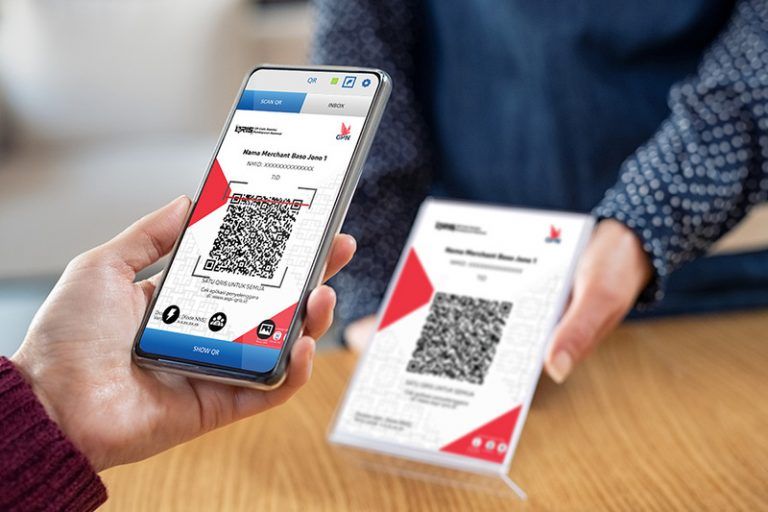
Indonesia and China have launched a pilot program to link their QR code-based payment systems. It is marking a new step in regional financial integration. The initiative, announced on August 17, 2025 during Indonesia’s 80th Independence Day celebrations, connects Bank Indonesia’s Quick Response Indonesian Standard (QRIS) with China’s digital payment infrastructure.
QRIS has become Indonesia’s dominant cashless payment tool, and officials see cross-border compatibility as a way to boost trade, support small businesses, and attract more tourists.
It has meanwhile been heavily criticized by the United States. In April, the USA raised concerns over QRIS, citing it as a trade barrier due to the perceived exclusion of American payment service providers during its policy formulation.
Nevertheless the US perception, QRIS has so far experienced in 2025 significant increases in both user adoption and transaction volume. In Q2 2025, transaction volume reached 6.1 billion, nearing the target of 6.5 billion. The number of users has also grown to over 57 million, according to Indonesian magazine Tempo.co.
“QRIS innovation continues to evolve to expand acceptance and support digital economic and financial inclusion. One such innovation is cross-border QRIS,” Bank Indonesia Governor Perry Warjiyo said in Jakarta.
The trial involves the Indonesian Payment System Association (ASPI), UnionPay International, and several local payment providers. Agreements have been finalized with four ASPI members—Rintis Sejahtera, Alto Network, Artajasa, and Jalin—who will work with UnionPay on sandbox testing.
Deputy Governor Filianingsih Hendarta said the cooperation highlights Indonesia’s push to expand its digital payments ecosystem abroad.
Bank Indonesia also launched QRIS services for Indonesian citizens in Japan on Sunday. Since August 2022, QRIS cross-border functionality has been introduced in Malaysia, Thailand, and Singapore. China is expected to join once the pilot is complete.