
International travelers are increasingly driving demand for vacation rentals in Italy’s rural villages—and they’re booking earlier than domestic tourists, giving property owners a clear opportunity to lock in spring revenue.
Ruralis was founded in 2022 to support property owners with vacation rentals in “borghi” (Italian for “hamlets”), helping them optimize revenue while cutting the daily workload. Property owners use Ruralis to connect their listings to over 100 travel agencies (ex: AirbnB, Expedia) through an intelligent platform that automates pricing, payments, taxes, communication, and even provides insurance.
In 2024, Ruralis generated €952K in tourist bookings, reaching $2.8M in 2025, and continues tripling growth year over year. The company manages 420 properties in Italy and 10 in Florida.
In its newest data, Ruralis shows that foreign guests booking April–June 2026 stays started an average of 99 days in advance. This is to compare with Italian travelers booking 80 days in advance, nearly three weeks later.
That gap can make a meaningful difference for owners, potentially determining whether spring occupancy fills early or remains uneven.
Ruralis CEO Nicolas Verderosa explained recently to Italian magazines that international markets are not only planning ahead but also spending more. “Owners who keep listings updated and calendars open early have a clear competitive edge over those waiting until summer,” he said.
Geopolitics slows some bookings
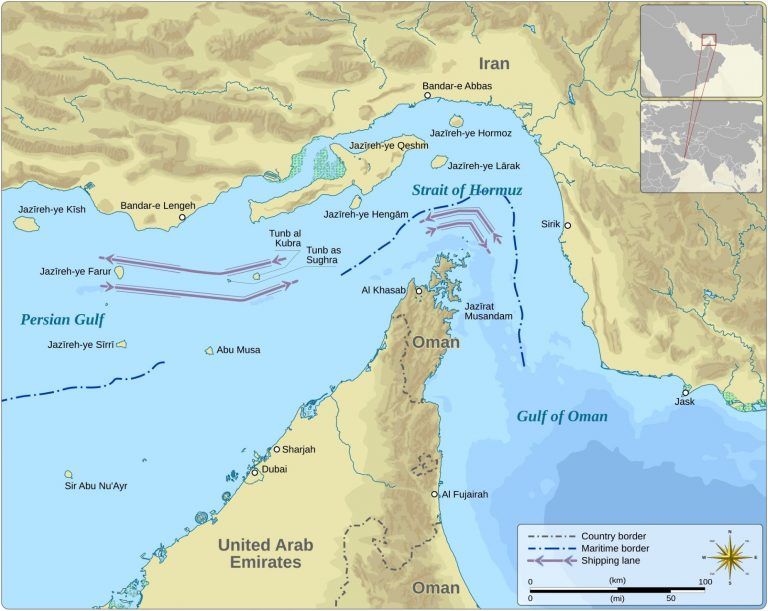
However, world tensions have an impact on rural homes booking for this coming summer season. Reservation patterns for April are broadly in line with 2025, but May reservations showed a slight slowdown, with shorter lead times. Ruralis links this to geopolitical uncertainty, particularly tensions involving Iran and the wider Middle East, prompting some travelers to delay decisions.
Italians still account for the majority of bookings at 59%. Among international markets, the US leads with 12%, followed by Germany (9%) and France (8%).
But in terms of advance planning, British travelers top the list, booking an average of 128 days ahead. They are followed by Australians (116 days), Germans (112), Dutch (108), and Czech travelers (103). Despite their volume, Italians remain last-minute planners by comparison.

Experience over location
Search behavior also highlights a shift in what drives bookings in rural Italy. Location is no longer the main selling point, but the expected experience.
The most-used filters for spring stays are swimming pools or hot tubs, vineyard settings and nature-based activities, and sea views. These features reflect a growing focus on how travelers spend their time rather than where they go.
Action window for owners
Ruralis says the takeaway for property owners is clear: act early or miss out.
Listings that are visible to international audiences, well-presented, and offer flexible cancellation policies—especially entire-home rentals—are performing best among top-booked properties.
With foreign travelers planning up to four months in advance and less likely to cancel, they represent the most valuable segment of demand.
Delaying listing updates or availability risks entering the market too late, when booking windows have narrowed and competition has intensified. Ruralis adds that hundreds of thousands of village homes in Italy remain unused for much of the year—an untapped asset that could generate income while supporting the preservation of rural communities.