
The UK has updated its travel advice for Bahrain and Kuwait after renewed military action between the US and Iran heightened security concerns across the Gulf.
The Foreign, Commonwealth & Development Office (FCDO) revised its guidance on Thursday, warning that the situation “remains unpredictable” following a new wave of US airstrikes and Iranian retaliation.
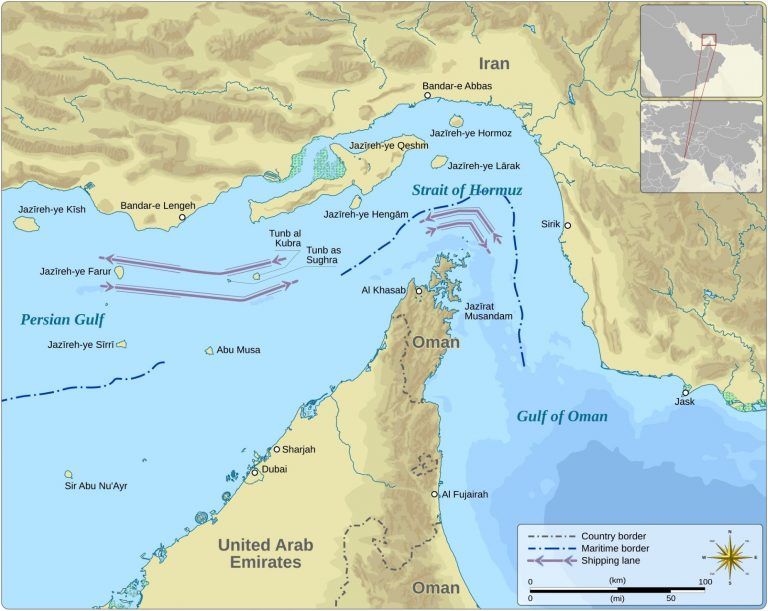
According to US Central Command (CENTCOM), US forces struck about 90 Iranian military targets, including air defense systems and logistics infrastructure along Iran’s coastline. The military said the operation was intended to further degrade Iran’s ability to threaten commercial shipping and civilian vessels transiting the Strait of Hormuz.
The latest exchange of strikes marks a renewed escalation despite a ceasefire announced on April 8 and a subsequent memorandum of understanding between Washington and Tehran. Iran has since reportedly targeted US-linked assets in Bahrain, Kuwait and Qatar, raising fears of further attacks across the region.
The FCDO warned that Iran could launch additional attacks against Gulf countries at short notice. Before the April ceasefire, Tehran had threatened to target locations associated with the US and Israel, including military facilities, businesses and civilian infrastructure such as ports, airports, hotels, roads, bridges, energy installations and water systems.
Bahrain and Kuwait remain the most exposed to casualties
Travelers transiting through Kuwait are advised to check with their airline before departure. Kuwait International Airport is currently operating only through Terminals 4 and 5 for Kuwait Airways and Jazeera Airways, while Terminal 1 remains closed and flight schedules have been reduced.
The UK continues to advise against all travel to Iran, Iraq, Syria and Yemen, while urging travelers elsewhere in the Gulf to remain vigilant, monitor official updates and expect possible disruption with little notice.
Other governments have also maintained heightened travel warnings. The US State Department continues to advise Americans to reconsider travel to Bahrain because of terrorism and armed conflict, while Canada advises against non-essential travel to both Bahrain and Kuwait.
The German Federal Foreign Office advises extreme caution when traveling to the Middle East due to ongoing regional volatility. Travel to Israel and Kuwait is strictly discouraged due to ongoing security risks and airstrikes. Germany also asks its citizens to exercise caution while “discourage travel advisories” remain active for Bahrain, Iraq, Jordan, Oman, Qatar, Saudi Arabia, and the United Arab Emirates (UAE).
The European Union Aviation Safety Agency (EASA) has also extended its recommendation that airlines avoid the airspace over Iran, Iraq and Lebanon through August 31, citing the risk of further military escalation and its potential impact on commercial aviation.
Despite the heightened tensions, major aviation hubs including Dubai, Abu Dhabi, Doha and Riyadh remain open, although airlines continue to monitor the security situation closely and may adjust schedules or routes if conditions deteriorate.