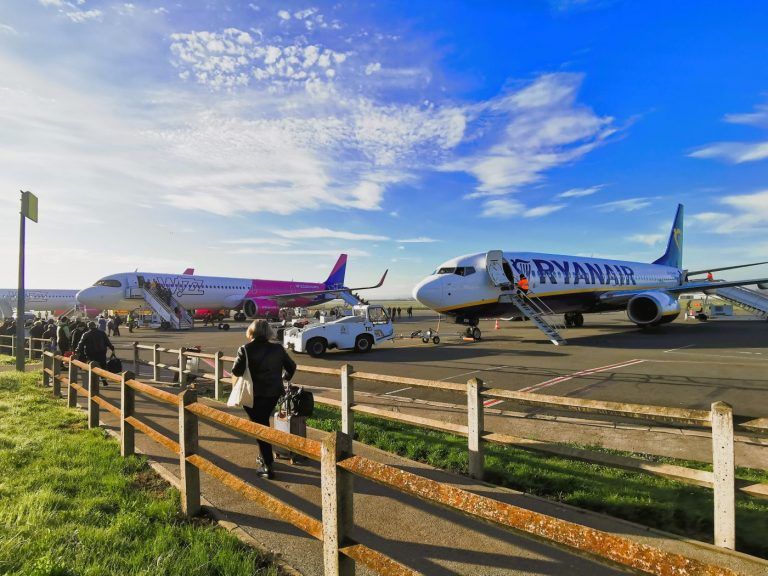
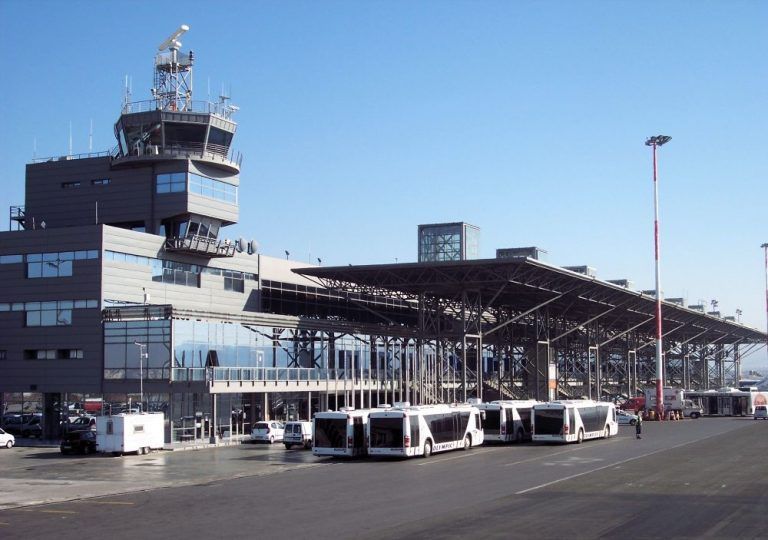
Ryanair announced this month the closure of its three aircraft Thessaloniki base and reductions in capacity at Athens Airport for Winter ‘26. This will result in the loss of 700,000 seats (-45%) and 12 routes for the upcoming Winter ’26 season.
This devastating loss in off-peak winter connectivity is the direct result of the uncompetitive costs charged at the German-run Fraport Greece monopoly and Athens Airport.
The Greek Government made the wise decision to reduce the Airport Development Fee (ADF) by 75% (from €12 to €3 per passenger) from November’24, which should have directly stimulated year-round connectivity and tourism across Greece.
However, most Greek airports, particularly those run by Fraport Greece, refused to pass the tax cut onto passengers and instead have pocketed the tax cut for themselves. Since then, Fraport Greece have continued to increase charges, which are now +66% above their pre-Covid levels. Likewise, Athens Airport will hike charges this Winter.
Consequently, Greek airports are no longer competitive in the off-peak shoulder and winter months, when the tourism industry’s reliance on low-fare connectivity is most acute. Ryanair has therefore been left with no choice but to reallocate capacity to more competitive countries like Albania, regional Italy, and Sweden where airports have passed on the savings from government tax reductions.
Ryanair’s reduced Winter ‘26 schedule for Greece will result in:
-
-3 based aircraft at Thessaloniki (-US$300m investment)
-
-700,000 seats (-45% versus Winter ‘25)
-
-12 routes (Thessaloniki to Berlin, Chania, Frankfurt-Hahn, Gothenburg, Heraklion, Niederrhein, Poznan, Stockholm, Venice-Treviso, Zagreb, and Athens to Milan-Malpensa, and Chania to Paphos)
-
-2 airports closed (Chania and Heraklion)
Ryanair originally presented an ambitious growth plan to the Greek government to grow traffic to 12 million passengers per annum (+70%), base 10 additional aircraft (+US1bn incremental investment) and launch 50 new routes over the next 5 years.
However, this growth can only be delivered if airport charges are frozen and the 75% Airport Development Fee reduction is passed on to passengers at all airports. Regrettably, Greece will continue to miss out on investment opportunities, tourism and traffic development until Fraport Greece and Athens abandon their shameless practice of pocketing this tax cut.
Ryanair Chief Commercial Officer, Jason McGuinness said:
“Ryanair regrets to announce the closure of our Thessaloniki base and reductions in Athens for Winter ‘26, resulting in the loss of 700,000 seats and 12 routes across Greece, as well as the suspension of operations at Chania and Heraklion during the off-peak months. These preventable traffic reductions are a direct result of the airports’ failure to pass through the ADF reduction, particularly in Thessaloniki where the Fraport Greece monopoly have hiked airport charges +66% since 2019.
The removal of 3 based aircraft, 500,000 seats (-60% vs. Winter ‘25) and 10 routes from Thessaloniki for Winter ‘26 will be devastating for the city and region, as Ryanair provided 90% of international capacity to Thessaloniki last Winter.”