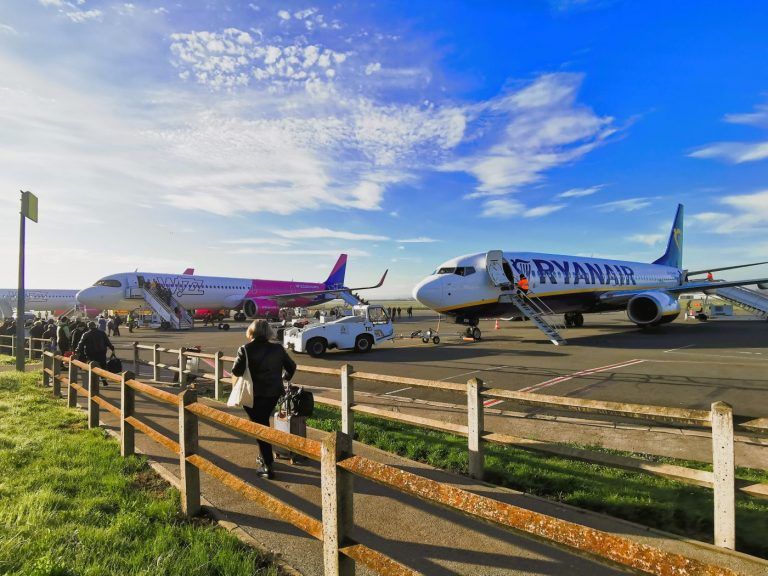
Ryanair claims to be the number one UK airline website as it reports a 32% increase in profits at its half year results.
The low cost airline said with its improved website and mobile app, it has become the UK’s number one airline website on the Hitwise website listings.
This time last year Ryanair was third in the UK for airline website visits, running behind both British Airways and Easyjet.
Its profit increase to €795 million has been driven by a rise in average fares and load factors.
The low cost airline said that the 5% rise in average fares and a 4% increase to 89% in load factors had validated its ‘Always Getting Better’ programme.
Half year ancillary revenue grew by 4% to €741m in line with traffic growth as airport and baggage fee reductions were offset by the increased uptake of allocated seating.
The airline said the success of its ‘Always Getting Better’ programme is proven by rising forward bookings despite winter traffic growth of 16%.
It reports forward bookings for December to March are, on average, 5% ahead of this time last year.
Ryanair said it looks forward to winning a significant share of the Scotland-London business market this winter, with its Glasgow-London and Edinburgh-London routes.
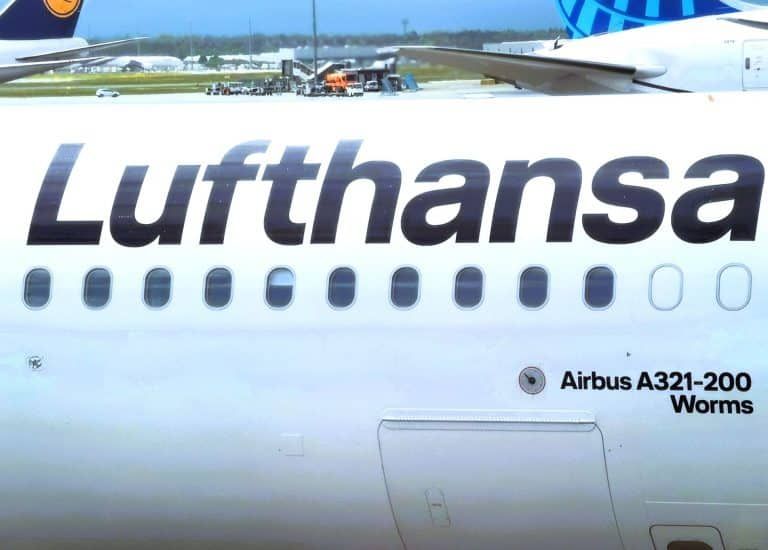
It also hopes to make inroads in domestic Italy as Alitalia cuts short haul capacity and Germany as Air Berlin and Lufthansa make short haul capacity cuts.
Based on the half year results, the airline has predicted that traffic will grow by 12% in Q3 and by 20% in Q4.
However it expects average fares to fall between-3% to -5% in Q3 and by-6% to -10% in Q4.
Ryanair said in a statement: "As a result of these 2.2m additional H2 passengers and falling unit costs our full year net profit will significantly exceed our previous guidance (of €650m) to a new range of between €750m to €770m.
"While encouraged by the continuing strength of forward bookings, we would caution that close in bookings for the remainder of this winter will be subject to unforeseen events which always overhang our business, and so extreme caution rather than irrational exuberance should underpin any medium term forecasts."