
During the twelve plus years I ran the Israel Tourism Office in Australia the most frequent question I was asked about Israel was, “is it safe”?
If I’d received a dollar for every time I was asked that question, I would have been a very wealthy guy.
Today, as a tourism crisis management and recovery specialist and Marketing Manager for Greece and Mediterranean Travel Centre, a Sydney based wholesaler which deals with nine Mediterranean destinations, only one of which, Israel is involved in the current conflict, the same “is it safe ?” questions continue.
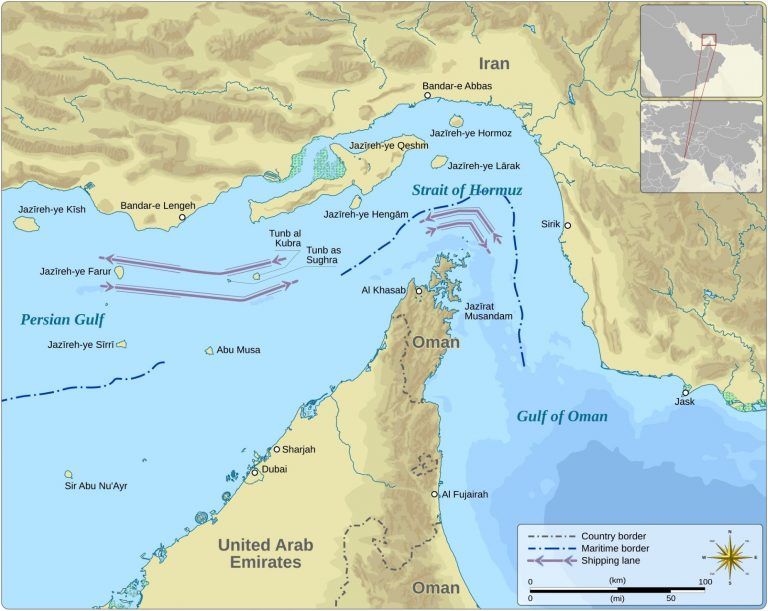
The conflict between Israel and Hezbollah which has so heavily impacted on Lebanon and northern Israel makes the “is it safe? questions fully justified.
Clearly Lebanon’s incredible tourism recovery since 1992 has been dealt a savage blow by the outbreak of fighting, with tourists having one prime concern, that is evacuation, which has been made exceedingly difficult by Israeli bombing of Beirut international airport and main highways out of Beirut. However, there are signs of least some tacit agreement between the combatants to permit safe passage of tourists out of Lebanon by road, sea and air.
In Israel, many local tour operators have temporarily suspended tours to those parts of Israel within 50kms of the Lebanese border and I understand that the Israel Ministry of Tourism suggested that operators do this but have made no public communication to date.
Random volleys of Hizbollah missiles have struck many cities and town in Israel’s north and most operators have temporarily excluded the Galilee, Haifa and other northern regions from their itineraries.
While the actual risk of being hit by a missile is minute nobody expects tourists to be gamblers and most wholesalers in Australia have relaxed cancellation and date change restrictions for Israel programs as has Israel’s national carrier El Al.
Certainly for now, Lebanon, northern Israel and those parts of Israel within 10kms of the Gaza Strip are places to avoid.
Many wholesalers and travel agents are still getting questions about safety to many Eastern Med destinations. Jordan, Egypt, Turkey and Greece remain perfectly safe to visit and travel professionals should avoid the temptation to confuse geographical proximity with danger for their clients.
There is a slim chance that Syria may be drawn into this conflict, but based on events of the past 24 years Syria may make a lot of noise and certainly has an indirect role in the conflict through its support of Hizbollah, but is expected to assiduously avoid direct involvement in the current fighting.
The question of whether the current fighting represents a tourism crisis or a violent glitch will depend largely on the duration of the fighting.
If the violence ends quickly, then tourism to Israel should recover quickly.
Lebanon has clearly suffered far more material damage and the repairs to this damage, in particular to the airport, the road systems and more importantly the spirit of the country will take some time to recover.
David Beirman is the Director of Struan & Associates Tourism Crisis and Recovery Specialists
email [email protected]
Report by The Mole