The World Travel & Tourism Council (WTTC) has defined eight strategic priorities, now formally approved by its Executive Council, to guide the future of the global travel and tourism private sector.
These priorities reflect the needs and perspectives of the global private sector, reinforcing WTTC’s commitment to unlocking growth, maximizing the sector’s potential, guiding investment decisions, and driving meaningful transformation across the industry.
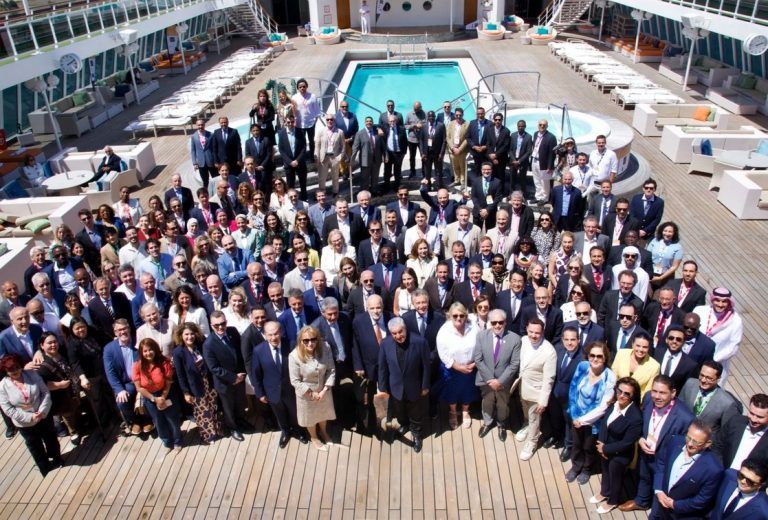
The priorities are the result of an extensive consultation process, including more than 200 interviews with CEOs and industry leaders. The outcomes, presented during WTTC’s last Executive Council meeting in Egypt, now form the foundation of a renewed strategic agenda focused on addressing the sector’s most pressing challenges.
Through this process, WTTC identified key structural and emerging issues, including complex and fragmented traveler journeys, challenging visa processes and digital identity systems, limited connectivity, and disruptions caused by geopolitical tensions, pandemics, and climate-related events.
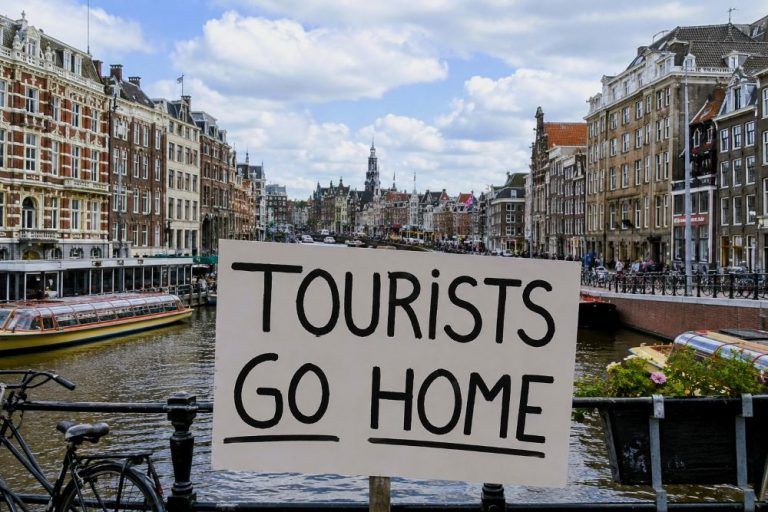
Additional challenges include uneven digital transformation and AI adoption, labor shortages, investment constraints, environmental pressures, and growing tensions between travelers and local communities.
In response, WTTC has defined eight strategic priorities that will underpin its work moving forward:
• Enabling safe and seamless journeys through digital standards and biometrics
• Strengthening destination stewardship and addressing overcrowding (unmanaged travel)
• Advancing climate and environmental sustainability initiatives
• Harnessing emerging technologies, including AI and robotics
• Enhancing crisis preparedness, management, and recovery
• Expanding global connectivity and developing new travel corridors
• Supporting workforce development, talent retention, and mobility
• Promoting policies that drive investment and new growth opportunities
These strategic priorities are embedded within a broader working strategy built around a clear vision of achieving long-term sustainable growth for global travel and tourism.
Complementing these priorities, WTTC has also identified a set of strategic enablers that will support delivery and impact: economic, social, and environmental research and data insights; global convening power; policy and advocacy capabilities; partnerships and coalition-building efforts; global campaigns and initiatives; as well as a strong digital agenda. Together, these enablers ensure that WTTC is uniquely positioned to translate strategy into action on a global scale.
WTTC members and the destinations network are at the core of the organization, and WTTC has a firm belief in the importance of public-private collaboration. The organization works closely with governments, international organizations, and industry stakeholders to co-create solutions, drive policy alignment, and deliver meaningful progress for the sector worldwide. Small and medium-sized enterprises (SMEs) also play an important role, and WTTC’s Together in Travel initiative currently engages more than 4,000 SMEs that work with WTTC.
WTTC also highlighted the critical role of its members in shaping this agenda, noting that their insights and leadership have been instrumental in defining both the challenges and the opportunities ahead. The organization continues to place its members at the heart of its work, ensuring their priorities are reflected in its global advocacy and initiatives.
Gloria Guevara, President & CEO of WTTC, said:
“These priorities reflect the breadth, diversity, and expertise of our membership. Representing every segment of travel and tourism, including airports, airlines, hotels, cruise lines, car rental companies, technology enterprises, and destinations, they are a statement of what the sector believes is needed to unlock growth, resilience, and opportunity.
Just as importantly, they reaffirm our commitment to working hand in hand with governments and international organizations, because lasting progress is only possible when the public and private sectors move forward together.”