T
SEATTLE – – Boeing and partners in industry and government
achieved significant reductions in fuel consumption and carbon dioxide emissions during a recent trial of an innovative Air Traffic Management (ATM) concept called Tailored Arrivals.
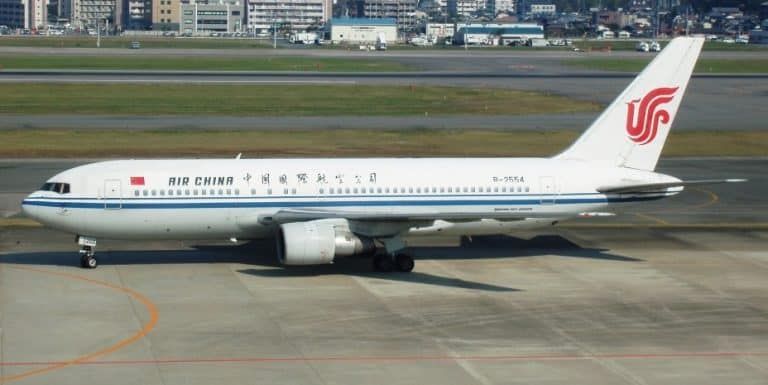
From December 4, 2007 to March 23, 2008, United Airlines, Air New Zealand and Japan Airlines completed 57 flights into San Francisco International Airport using a continuous descent rather than a series of level segments as now required.
The Tailored Arrivals approach reduced fuel consumption during descents by up to 39 percent, depending on aircraft type, and total carbon emissions by more than 226 tonnes.
“Concepts like Tailored Arrivals potentially can be deployed quickly and at relatively low cost because the technology is in place today,” said Kevin Brown, Boeing vice president and general manager of Air Traffic Management.
“As more airlines and airports use it, we move closer toward realising the benefits expected from the Next-Generation Air Transportation System (NextGen).”
The airlines involved in the San Francisco flights used Boeing 777-200ER and 747-400 aircraft
The Tailored Arrivals procedures will be used later this year at Miami International Airport as part of a joint FAA-European Commission initiative to accelerate the practical implementation of trans-Atlantic air traffic management improvements that can reduce emissions and noise.