China is rapidly emerging as one of the world’s fastest-growing medical tourism destinations, with artificial intelligence playing a major role in attracting overseas patients.
According to the Chinese National Health Commission’s 2025 annual report on foreign-related medical services, key hospitals across the country treated 1.28 million international patients last year, a 73.6% increase compared with three years earlier. The figures highlight the growing appeal of China’s healthcare sector as foreign travelers seek advanced treatments, shorter wait times and lower costs.
The trend is being driven by a combination of cutting-edge medical technology and government-backed healthcare reforms under China’s Healthy China Initiative.
AI reshapes the image of China medical care
AI-powered dental clinics, digital diagnostics, smart imaging systems and AI-assisted traditional Chinese medicine (TCM) centers are becoming increasingly common, helping to streamline patient care and improve treatment outcomes.
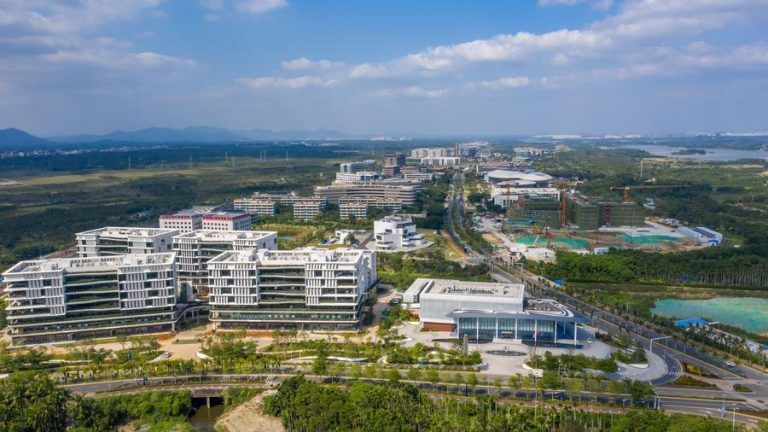
One of the most visible examples is the Boao Lecheng International Medical Tourism Pilot Zone in Hainan Province. The special medical zone has become a showcase for AI-enabled healthcare, offering virtual consultations, AI-assisted imaging analysis and access to innovative drugs and medical devices that may not yet be widely available elsewhere in China. In 2025, the zone recorded 865,300 medical tourism visits, up more than 109% year over year.
Dental care, ophthalmology and TCM wellness treatments are among the most sought-after services for international visitors. AI-driven dental scans can generate detailed 3D models of patients’ teeth within minutes, allowing clinicians to identify problems quickly and develop treatment plans with greater precision. Such technology, combined with competitive pricing, has helped China gain traction among travelers from Southeast Asia, Russia, Europe and the Middle East.
Industry observers say affordability remains a major draw. Medical tourism facilitators report that some treatments in China can cost significantly less than comparable procedures in Western markets while offering access to internationally accredited hospitals and specialist physicians.
China is also expanding multilingual services, international patient departments and direct insurance billing options to improve accessibility for overseas visitors. More than 850 healthcare institutions in 57 Chinese cities were offering international medical services in 2024, creating a foundation for further growth. As AI becomes increasingly integrated into healthcare delivery, China’s medical tourism sector appears poised for continued expansion on a global scale.