
Europeans are showing no signs of cutting back on travel, even as rising prices, geopolitical tensions and climate concerns reshape how they plan their vacations.
According to the latest European Travel Commission (ETC) Monitoring Sentiment for Intra-European Travel, 81% of Europeans intend to travel between June and November 2026—up four percentage points from the same period last year.
The findings underline the resilience of travel demand while highlighting a growing focus on safety, value for money and climate resilience when choosing destinations.
The survey also shows that Europeans continue to favor multiple vacations, with 55% planning at least two trips over the next six months. Nearly two-thirds (64%) expect to travel within Europe, reinforcing the region’s position as the preferred destination for its own residents.
Travel enthusiasm has strengthened across nearly every age group, reaching its highest level among travelers aged 45 to 54, where 86% are planning a trip.
Southern Europe leads while travelers look beyond the hotspots
Southern and Mediterranean Europe remains the continent’s most sought-after vacation region, attracting 61% of intended travelers, four percentage points higher than a year ago.
Spain tops the list of preferred destinations, chosen by 14% of respondents, followed by Italy (12%), France (8%) and Greece (7%). The enduring appeal of sunshine, beaches, cultural attractions and city breaks continues to drive demand for these destinations.
However, the report also points to a growing desire for more authentic and less crowded experiences.
While interest in Europe’s iconic tourist destinations has edged up to 48%, a slight majority of travelers (52%) now say they prefer exploring lesser-known locations or destinations off the traditional tourist trail.
Crowding is also becoming a more significant consideration. Eleven percent of respondents say avoiding busy destinations is now an important factor when selecting where to vacation, while 9% identify overtourism as one of their biggest travel concerns.
The findings suggest that Europe’s most famous destinations remain highly attractive but that travelers increasingly want to experience them differently—whether by visiting outside peak periods, venturing beyond the main attractions or discovering nearby hidden gems.
Safety, affordability and climate drive travel decisions
As travelers become more selective, safety has emerged as the leading factor influencing destination choice.
One in five Europeans (20%) cite safety as their top consideration, ahead of pleasant weather (15%) and attractive travel deals (14%).
Financial pressures continue to weigh on travelers’ minds, even though demand remains robust. Rising travel costs are now the biggest concern for 22% of respondents, while 17% are worried about their personal financial situation.
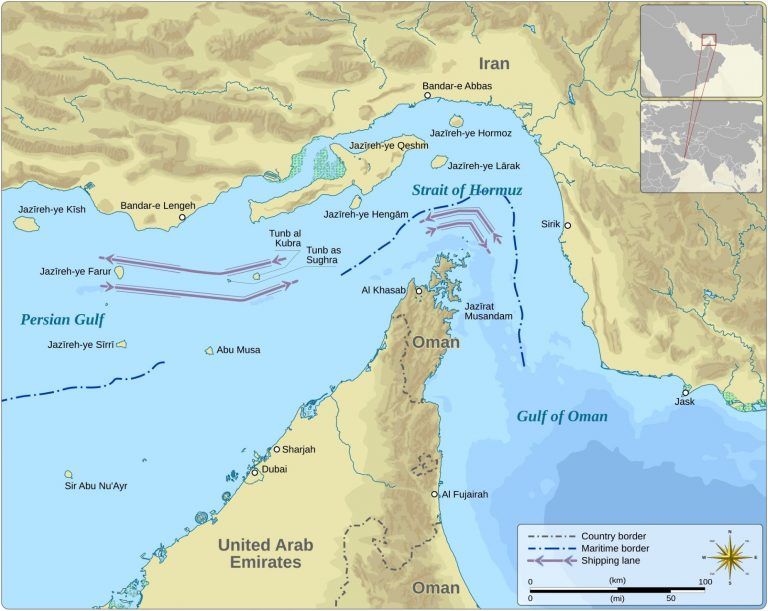
Geopolitical instability is also having a greater impact on travel planning than in previous years. Concerns related to the conflict in the Middle East have doubled over the past year, rising from 7% to 14%, while 11% of Europeans remain concerned about the ongoing war in Ukraine.
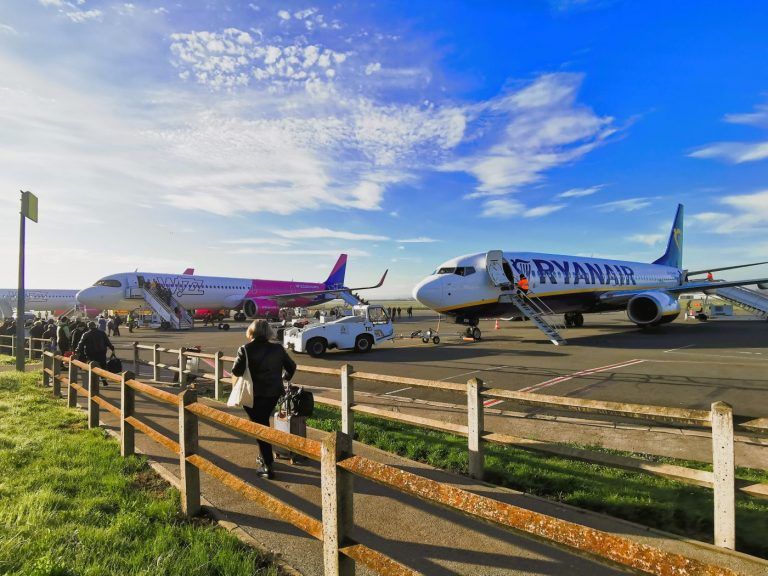
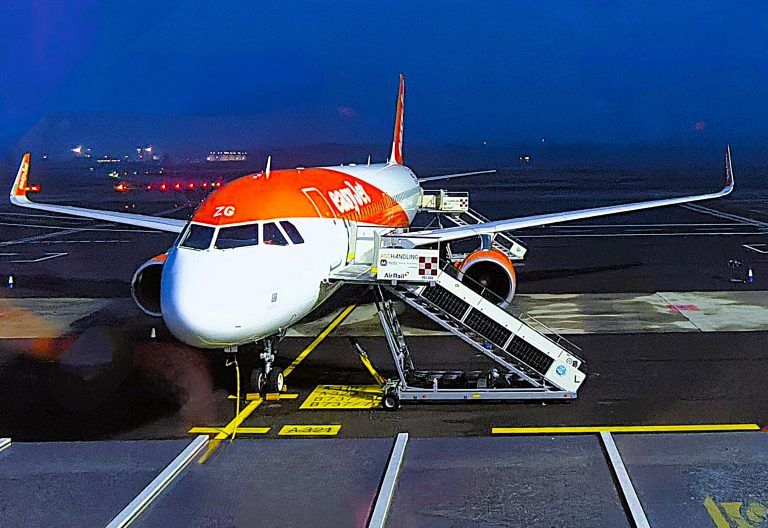
Despite higher fuel prices and increasing airfare costs, flying remains the preferred mode of transportation, with 53% planning to travel by air.
Climate considerations are also becoming firmly embedded in travelers’ decision-making.
More than three-quarters (76%) say climate-related issues now influence how they plan their vacations. Among those adjusting their travel plans, 16% actively seek destinations with milder temperatures, while 15% avoid places prone to extreme heat or carefully monitor weather forecasts before booking.
Looking ahead, climate resilience is expected to become even more important. Two-thirds of Europeans say they would alter their travel plans if destinations face climate-related disruptions or official safety advisories.
Stable spending
Summer remains Europe’s busiest travel season, with 86% planning trips between June and September. Early summer is becoming increasingly popular, with demand for June departures rising by three percentage points compared with last year.
Although travelers remain mindful of their budgets, spending intentions have remained remarkably stable. The most common vacation budget is between €1,500 and €2,500, selected by 29% of respondents. Accommodation, food and beverages, and activities continue to account for the largest share of travel spending.
Commenting on the findings, Miguel Sanz, President of the European Travel Commission, said Europeans continue to place a high value on travel despite an increasingly complex global environment.
He added that the continued popularity of Europe’s flagship destinations, combined with growing interest in lesser-known places, presents an opportunity for destinations to spread visitors more evenly throughout the year while offering more diverse and sustainable tourism experiences.