Turkey has barred an LGBTQ+ charter cruise from docking at two scheduled ports, forcing US-based Atlantis Events to revise its Mediterranean itinerary at short notice.
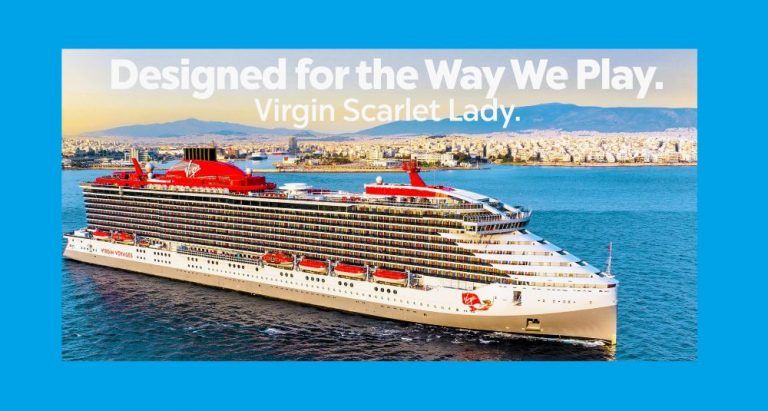
The 10-day “Athens to Venice” sailing aboard Virgin Voyages’ Scarlet Lady was due to call at Kuşadası on July 7 before continuing to Istanbul. However, Turkish authorities denied permission for the ship to enter either port.
Officials said the decision was based on the country’s “family values” and “moral standards,” arguing that the behavior of the predominantly American LGBTQ+ passengers was “incompatible with the fabric of our society.”
According to Atlantis Events, the move marks the first time in the company’s 36-year history that one of its charter cruises has been refused entry to a destination because of the makeup of its passengers.
Itinerary changed after Turkish refusal
Following the decision, organizers quickly reworked the itinerary to minimize disruption for the nearly 2,000 guests onboard. The revised voyage replaces the Turkish calls with additional stops in Cairo, Egypt, and Crete, Greece.
Atlantis Events, one of the world’s largest LGBTQ+ vacation companies, specializes in charter cruises and resort holidays for the LGBTQ+ community. The company said it was disappointed by the decision but moved swiftly to ensure passengers could continue their vacation with alternative destinations.
Rich Campbell, CEO of Atlantis Events, criticized the move, saying it was concerning that destinations could choose which visitors they were willing to welcome. He also noted the economic impact of losing thousands of international visitors, who would have contributed significant tourism spending during their planned visits.
Atlantis Events has however not indicated whether it will seek compensation or reconsider future itineraries that include Turkish ports.
The incident in the meantime highlights the growing intersection between tourism and social policy, with destination decisions increasingly scrutinized by travelers and the global travel industry.
Cruise operators typically maintain contingency plans for itinerary changes caused by weather, operational issues or geopolitical developments. However, refusals based on passenger demographics remain highly unusual.