The global business events industry is facing an increasingly unpredictable operating environment as geopolitical tensions, climate disruption, cybersecurity threats, artificial intelligence, and shifting societal expectations continue to reshape the sector.
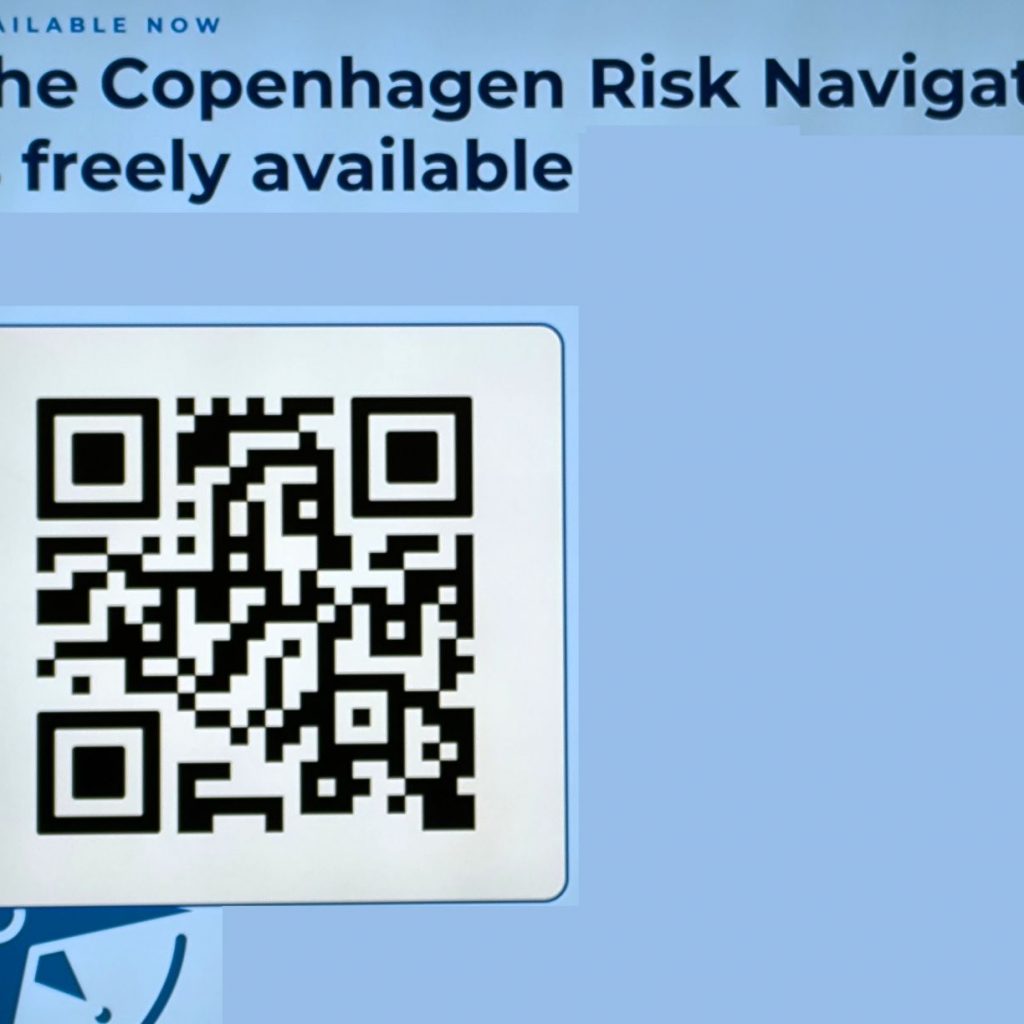
In response, Copenhagen Convention Bureau has launched the Copenhagen Risk Navigator – International Strategies and Tools for Business Events, a new industry resource designed to help destinations, associations, venues, suppliers, and planners strengthen risk management practices and improve long-term resilience.
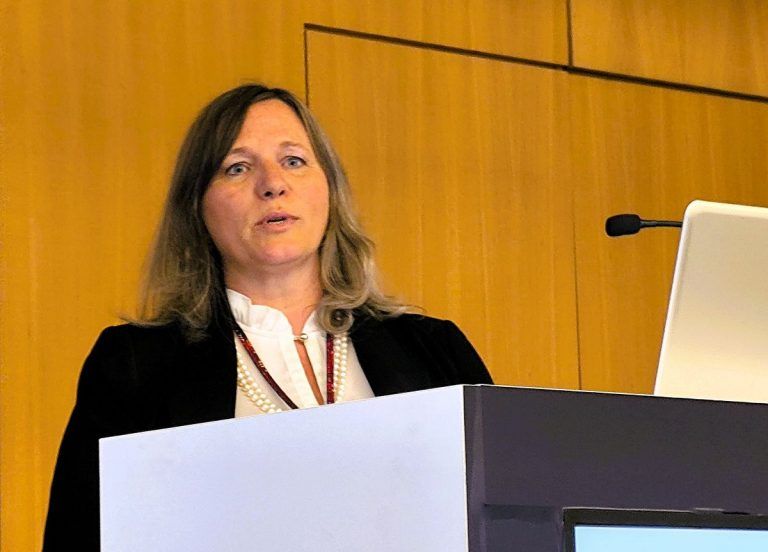
The tool is free of charge as it has been conceived to support the entire MICE industry. “This is not just a tool created to promote ourselves,” explained Bettina Reventlow-Mourier, Deputy Convention Director at Copenhagen Convention Bureau
Developed in partnership with global consultancy GainingEdge and in close collaboration with FERMA – Federation of European Risk Management Associations and RIMS – Risk and Insurance Management Society, the Copenhagen Risk Navigator is being positioned as the first comprehensive framework of its kind created specifically for the global meetings and events sector.
Copenhagen Convention Bureau leading the initiative
The initiative builds on the Copenhagen Risk Assessment White Paper released in 2023, which first highlighted the urgent need for more structured and proactive risk management across the industry.
The new navigator is intended to move the industry from awareness to action. “With the Copenhagen Risk Navigator, we aim to take risk management in our industry to a new level,” Reventlow-Mourier told during a press conference at IMEX Frankfurt.
“Our 2023 Copenhagen Risk Assessment White Paper was the first contribution to this conversation, and the response from the industry confirmed what we suspected: there was, and still is, a strong need for practical guidance and a shared recognition that risk management can no longer remain an afterthought.”
She added: “Our ambition is clear: to contribute to a more resilient, sustainable, and future-ready global business events ecosystem.”
The Copenhagen Risk Navigator was developed using a multi-layered research approach. Project partners conducted interviews with risk management specialists from sectors including finance and insurance, surveyed associations, corporates, convention bureaus, venues and event suppliers, and reviewed more than 20 major reports focused on global risk trends and mitigation strategies.
Knowledgeable but unprepared industry?
Industry peer-review groups also helped validate the research findings and the practical tools included in the final framework.
The research highlighted significant gaps in risk preparedness across the meetings industry. One industry survey cited in the report found that 43% of associations still do not have a formal risk management strategy in place.
Technology-related threats emerged as the sector’s leading concern. Cybersecurity, generative AI, and the rise of autonomous “agentic AI” systems were repeatedly identified as among the most significant future risks facing event organizers and destinations.
According to findings referenced in the report, 80% of organizations still lack dedicated plans to manage AI-related risks.
The research also showed that while only 13% of event planners currently use scenario planning tools to anticipate future disruptions, nearly two-thirds expressed interest in adopting them.
The Copenhagen Risk Navigator aims to address these shortcomings through a practical toolkit featuring 14 risk management tools covering the full event lifecycle — from strategic planning and procurement through to event delivery and post-event review.
The tools are supported by lifecycle matrices, implementation guides, maturity assessments, and operational “tool cards” explaining how and when each framework should be used.
A Quick-Start Guide is also included for organizations that are only beginning to formalize their risk management processes.
The project’s authors emphasized that the goal is not simply crisis management, but the creation of a broader culture of preparedness, accountability, and collaboration across the entire business events ecosystem.
“ Some of the tools are definitely helping us both to identify the risks, but also to elevate the understanding of risk and where the governance and leadership sit in all of this. It is, most importantly, a great opportunity to do some training and upskilling teams. And then spreading out the acquired knowledge to our whole community in the destination, not only with our supply chain, but also with government and everybody else who invest in this”, added Reventlow-Mourier
Stuart Ruff-Lyon, CCO of RIMS – Risk and Insurance Management Society, said the initiative provides the industry with a more practical and accessible approach to risk management.
“Risk management is most effective when it is practical, accessible, and built for the realities of the people using it,” Ruff-Lyon stated.
“The Copenhagen Risk Navigator does exactly that for the business events industry. RIMS is proud to have contributed to a resource that gives buyers, suppliers, and destinations a clear and actionable path to stronger risk practices.”
During the launch presentation, industry leaders stressed that risk management in events has too often been reactive rather than proactive.
The Deputy Convention Director noted that many organizations still limit risk planning to crisis communications, rather than integrating risk awareness into governance, operations, procurement, staffing, venue management, cybersecurity, and reputational protection.
“One of the important things that we’re touching upon in the report is reputational risk. It is a super, super important component when you’re talking about destinations. If something goes wrong, we’re not necessarily the ones doing the contracts, but the reputational damage will be for the destination… And by a ripple effect for the entire community,” stressed Reventlow-Mourier.
The report also highlighted major regional differences in risk perception. European stakeholders tend to prioritize supply chain stability, trade disruption, and operational continuity, while US respondents are increasingly focused on venue security and attendee protection.
Future challenges identified by participants included talent shortages, misinformation and disinformation, geopolitical instability, and heightened security requirements for large-scale events.
Copenhagen Convention Bureau executives said the navigator is intended as a living resource that will continue evolving as organizations test and adapt the tools within their own markets and operational environments.
The Copenhagen Risk Navigator is freely available to business events professionals worldwide and has already received endorsements from several leading industry organizations, including AIPC, IMEX, PCMA, ICCA, IAPCO and Events Industry Council.
Organizers said they hope the initiative will ultimately help create a more resilient, collaborative, and future-ready global business events industry. And maybe to become a benchmark for organizers when selecting a destination and venues.