Rising oil prices are cutting into the profitability of Europe’s two largest budget airlines, with both easyJet and Ryanair warning that elevated fuel costs following the Middle East conflict are likely to remain a major headwind for the rest of the financial year.
While consumer demand for travel remains resilient, both carriers say higher jet fuel costs, weaker pricing and shorter booking windows have significantly reduced earnings compared with last year.
easyJet reported third-quarter pre-tax profit of £85 million, down sharply from £286 million a year earlier. Ryanair’s first-quarter profit after tax fell 34% to €538 million from €820 million.
easyJet analysis
For easyJet, fuel costs increased by £105 million (US$139/8 million) year over year, with fuel cost per available seat rising 13%. The airline said higher prices on its unhedged fuel purchases were the primary reason for the earnings decline after jet fuel peaked at around $1,800 per metric ton in April.
The carrier also faced softer consumer demand immediately after the conflict began, as travelers worried about fuel shortages and economic uncertainty. Although demand recovered through strong last-minute bookings, it was not enough to offset weaker sales earlier in the quarter.
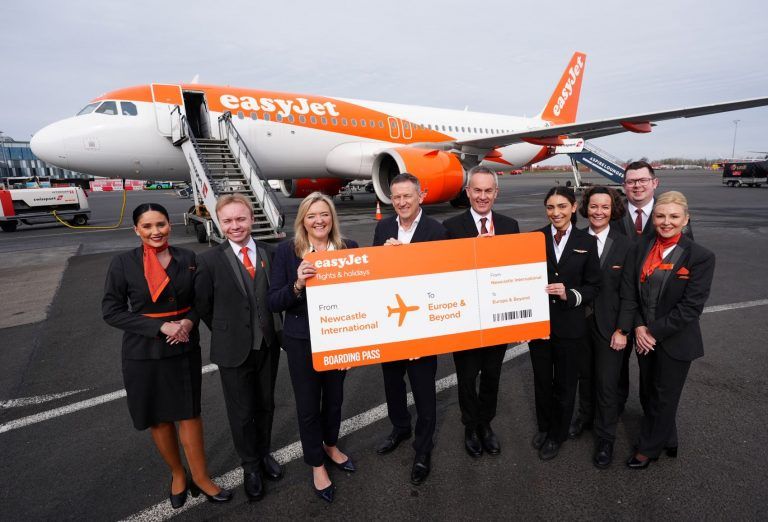
“We have continued to manage the impact of the Middle East conflict, and its effect on fuel prices and booking trends,” CEO Kenton Jarvis said.
Despite the profit decline, easyJet said customer demand continues to improve. Load factors for the peak summer season are closing the gap with last year, while booking patterns are gradually returning to more normal levels.
The airline still expects to increase full-year capacity by about 6% and grow easyJet Holidays customer numbers by low double digits, although it acknowledged that final results remain highly dependent on fuel prices and late bookings.
The company said every $100 per metric ton movement in fuel prices changes annual fuel costs by about £17 million (US$22.6 million), highlighting how sensitive profits remain to oil market volatility.
Ryanair analysis
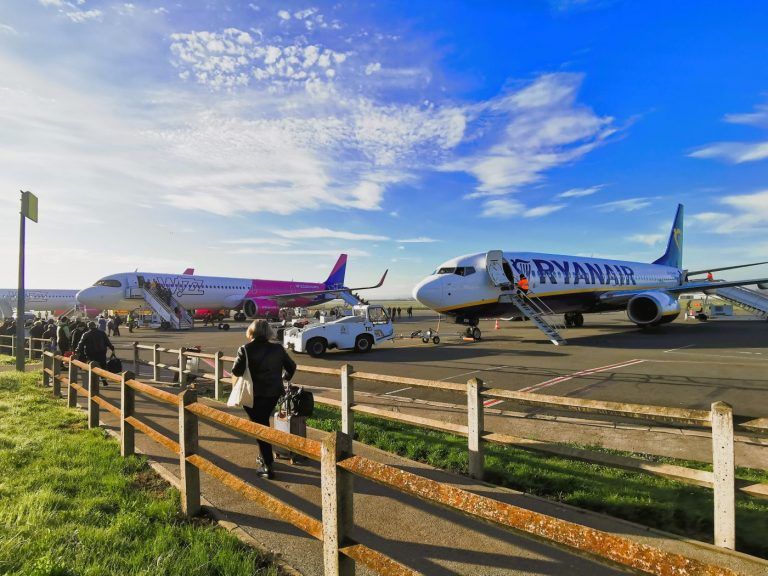
Ryanair painted a similar picture. Although passenger traffic increased 6% to 61.3 million, average fares declined 6% as the airline stimulated demand amid consumer uncertainty. Revenue edged up only 1%, while operating costs jumped 11%, driven largely by fuel.
The carrier said the price of its 20% unhedged jet fuel more than doubled during the quarter, pushing unit costs up 5% and significantly reducing profitability.
Unlike easyJet, however, Ryanair believes its extensive fuel hedging program provides a substantial competitive advantage. The airline has already hedged 80% of its fuel needs through March 2027 at approximately $67 per barrel, with a further 15% of FY2028 fuel already hedged at about $85 per barrel.
CEO Michael O’Leary said the strategy should help shield earnings from continued oil price volatility while widening Ryanair’s cost advantage over competitors with greater exposure to spot fuel prices.
Nevertheless, Ryanair cautioned that the remaining 20% of unhedged fuel leaves profits vulnerable if oil prices continue rising.
The airline also warned that consumer booking patterns remain unpredictable, with travelers continuing to book much closer to departure than in previous years. While summer demand remains solid, Ryanair said it has virtually no visibility into the second half of the financial year.
Both airlines expect Europe’s airline industry to remain under pressure through the winter.
Alongside volatile fuel prices, both easyJet and Ryanair cited geopolitical tensions, inflation, aircraft delivery delays, labor shortages and ongoing air traffic control disruptions as risks that could weigh on earnings.