VIENTIANE: New roads, bridges and air links are connecting landlocked Laos with its neighbours.
Construction of a third bridge over the Mekong River at Chiang Rai has taken a step forward after China and Thailand agreed to co-finance the deal.
Thailand and China, subject to final approvals, will underwrite the construction costs of the Huay Sai-Chiang Khong Bridge as a part of Kun Man Road linking China ’s Kunming with Bangkok via Lao PDR.
Governments in the region are putting new emphasis on a north-south link that can draw trade and transport from China through Lao PDR to Thailand ’s northern province of Chiang Rai.
China has completed road construction to the China-Laos border, with about 250 km left for Lao PDR to complete. This is expected to be completed by 2009.
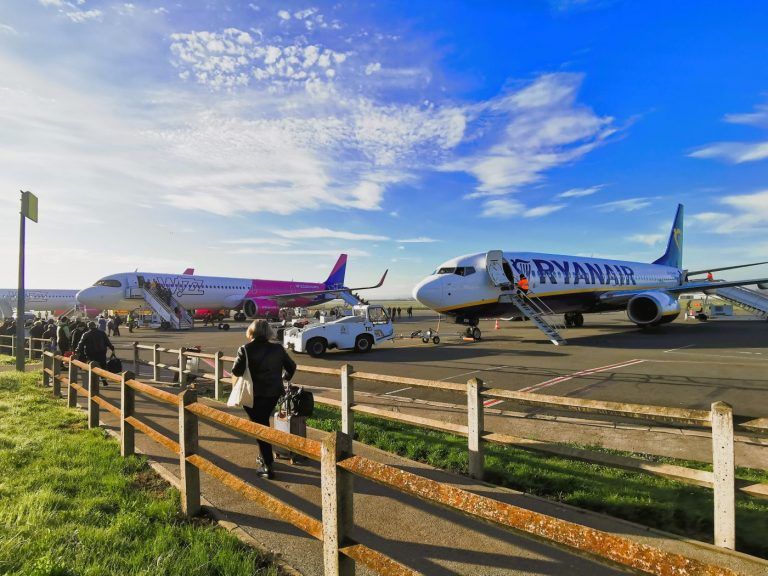
The city of Pakse, gateway to the World Heritage site of Wat Phu in southern Laos, will soon be linked to Bangkok by air. Thailand’s Bangkok Airways will fly the route, providing for the first time a direct connection from and to Bangkok.
Laos is working to position itself as “the bridge of Southeast and Northeast Asia” and take advantage of its geographical location at the crossroads of the emerging North-South and East-West highways and railways that will in future link India with Vietnam and Singapore with China.
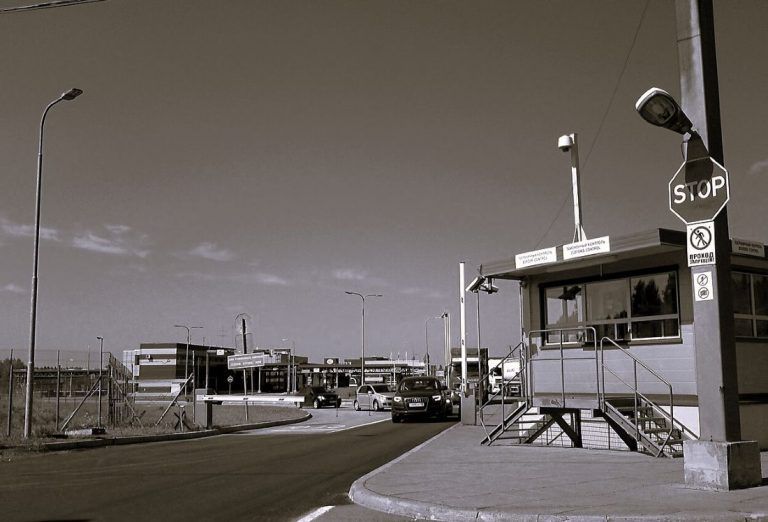
Today Laos has 16 international border checkpoints, of which 13 are overland, and three by air — Vientiane, Luang Prabang and Pakse
There are now three bridges across the Mekong, two between Thailand and Laos, including one just opened between Mukdahan and Savannakhet and one bridge inside Laos at Champassak province.
Vang Rattanavong, vice chairman of the Lao National tourism Administration, said that the new connections would allow a better flow of visitors through Laos from China and countries such as Thailand and Myanmar.
Mekong with Love – Laos featured
He said Laos needed investment in new hotels and would step up its tourism training thanks to a US$4 million professional training school being backed by Luxembourg.