Thailand is moving ahead with ambitious plans to modernize its southern rail infrastructure and re-establish key rail connections with Malaysia, reinforcing its position as a regional transportation and logistics hub.
The Ministry of Transport has unveiled a strategy aimed at strengthening rail as a vital link between Thailand and neighboring countries. Led by Deputy Prime Minister and Transport Minister Phiphat Ratchakitprakarn, the initiative calls on the State Railway of Thailand (SRT) to fast-track Phase 2 of its double-track railway development program, with southern Thailand identified as a priority area.
Three major double-track railway projects in the south, valued at more than 100 billion baht (approximately US$3.07 billion), are expected to enter the bidding process in 2026. The investments are designed to increase rail capacity, improve freight efficiency, and support growing cross-border trade.
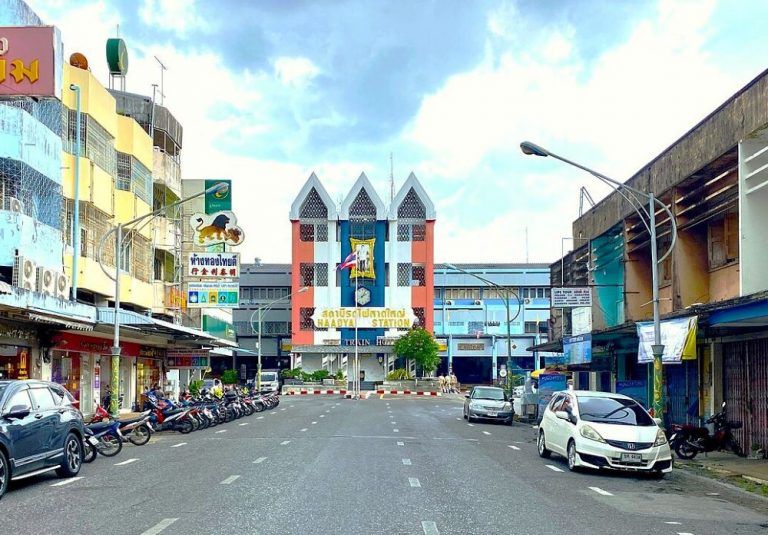
Among the most significant projects is the Hat Yai–Padang Besar route, a critical rail corridor connecting Thailand and Malaysia. The line plays a key role in facilitating passenger travel and cargo movements between the two countries.
Thailand is also working closely with Malaysia to restore the long-dormant Sungai Kolok–Rantau Panjang railway connection. The cross-border route, which has been inactive for more than two decades, is seen as an important catalyst for economic development in the region.
The proposal was a key topic during bilateral discussions held at the end of April and chaired by Pichet Kunadhamraks, Director-General of Thailand’s Department of Rail Transport. Officials from both countries explored ways to revive passenger and freight services along the route, with the goal of enhancing trade, logistics operations, and tourism opportunities across the border.
The talks also reviewed progress on major regional rail developments, including Malaysia’s East Coast Rail Link (ECRL), which is scheduled for completion in January 2027. The project’s Kota Bharu station will be located approximately 30 kilometers from the Sungai Kolok crossing, creating new opportunities for seamless rail connectivity between the two nations.
Once completed, the upgraded rail network is expected to strengthen regional integration, improve supply chain efficiency, and support economic growth across southern Thailand and northern Malaysia.