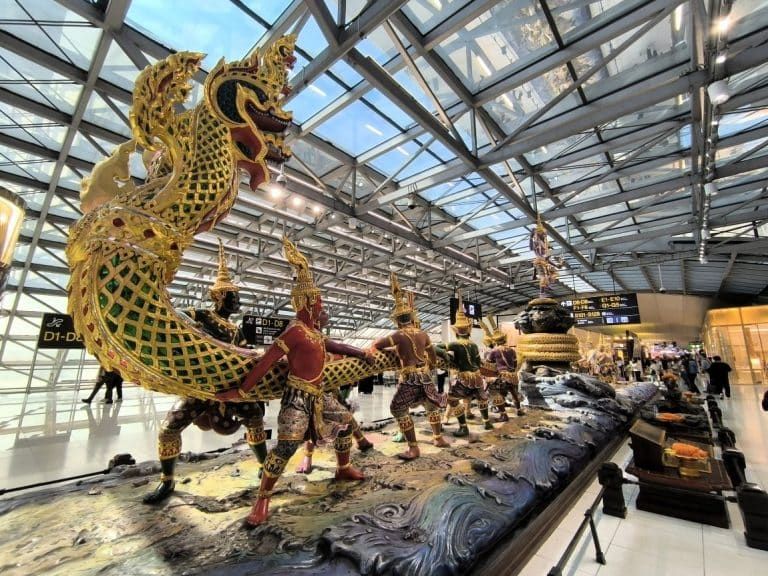

Visa today announced the expansion of its global, passion-led travel program, Visa Destinations, into Asia Pacific, launching in Thailand as the first market in the region.
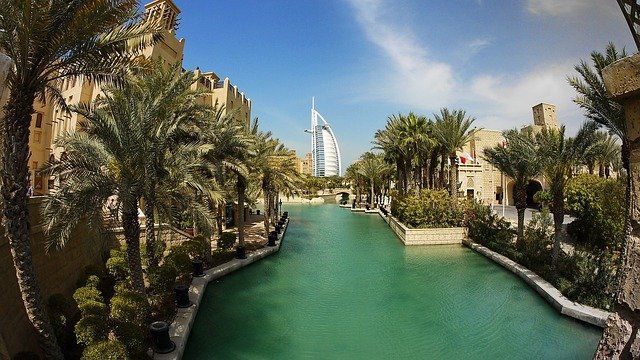
Currently live in Paris, London, and Dubai, Visa Destinations continues to expand globally, with Thailand joining the platform as the program rolls out across additional destinations.
Visa Destinations connects cardholders to curated and unique destination-led experiences and offers, shaped by culture, craftsmanship, and local insight, helping them plan and experience trips around what matters most to them. As traveler expectations continue to rise, consumers increasingly look for flexibility, assurance, and ease across the entire journey, from planning and payment to everyday experiences on the ground.
Thailand’s selection reflects its role not only as an iconic destination brand, but as a year-round tourism economy that supports millions of merchants and small businesses nationwide.
In 2025, more than 33 million visitors traveled to Thailand, generating over US$50 billion in tourism receipts, according to publicly available tourism data, making tourism a critical engine of economic activity across transportation, hospitality, retail, dining, and lifestyle sectors throughout the country.
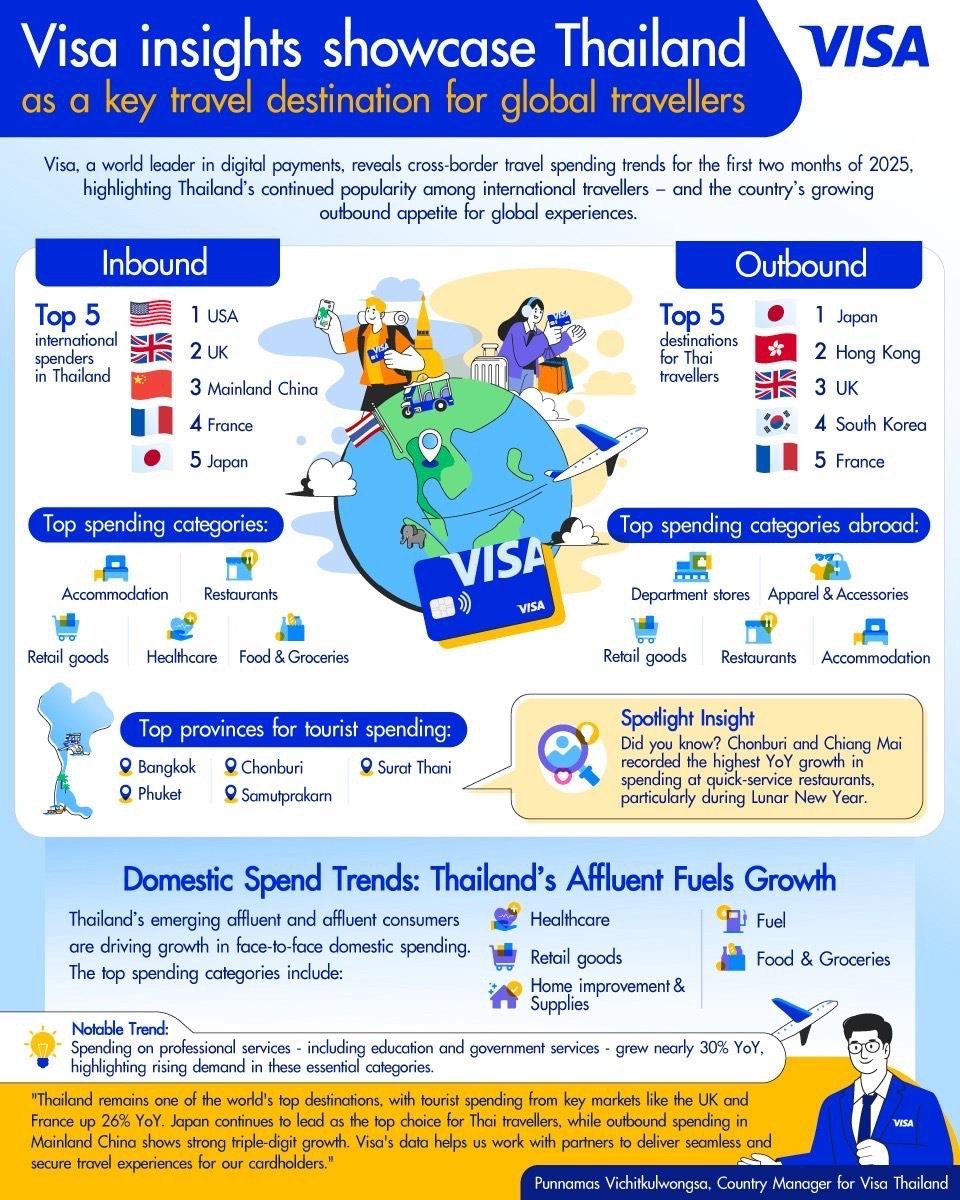
Visa’s cross-border insights show Thailand attracts a globally diverse and high-value mix of travelers, with around two-thirds of international Visa cardholder spending originating from markets outside Asia Pacific. The United States, United Kingdom, Australia, Germany, France, and the United Arab Emirates rank among the top inbound corridors by payment volume, reinforcing Thailand’s position as a globally connected market shaped by long-haul travel and premium spending.
Beyond visitor numbers, Visa Destinations helps accelerate digital commerce adoption across tourism-linked sectors in Thailand. This includes deepening merchant acceptance, enabling seamless cross-border digital payments, and supporting banks, platforms, and SMEs as they capture greater value from global travel flows.