Following a first batch of nominations on Friday, July 24, 2026, UNESCO completed its list of its World Heritage sites on July 27.
The UNESCO World Heritage Committee has added eight new sites to the World Heritage List, recognizing places that span military history, ancient civilizations, architecture, mythology and the performing arts.
Among the most significant additions are the Beaches of the D-Day Landings in Normandy, France, honoring the pivotal role the sites played during the Allied invasion of Nazi-occupied Europe on June 6, 1944.
The inscription includes Utah, Omaha, Gold, Juno and Sword beaches, as well as Pointe du Hoc, sections of the German Atlantic Wall and the American Cemetery at Colleville-sur-Mer. The designation acknowledges the beaches not only as historic battlefields but also as places of remembrance and international reconciliation.
France also secured a second inscription with the Royal Capetian Fortresses of Languedoc, a collection of eight medieval castles, including Carcassonne famed castle and ramparts. The fortified sites illustrate the consolidation of royal power in southern France during the 13th century.
Greece celebrated the inscription of Mount Olympus, the only mixed cultural and natural site added this year. Revered in Greek mythology as the home of Zeus and the Twelve Olympian gods, the mountain, located in the Northern part of the country, also supports exceptional biodiversity, rare plant species and ancient forests.
Iran’s Alamūt Castle and Related Fortifications also joined the prestigious list. Nestled high in the Alborz Mountains, the fortress network served as the political and intellectual center of the Nezāri Ismaʿili community between the 11th and 13th centuries.
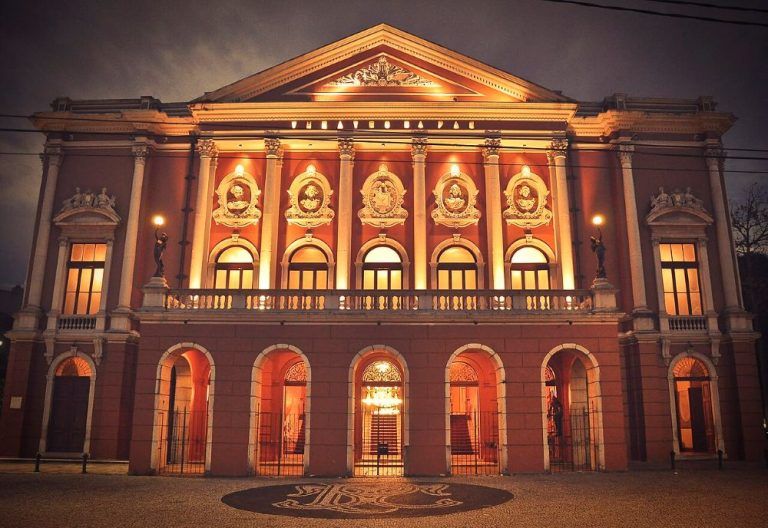
Other newly inscribed sites include Aalto Works in Finland, celebrating the architectural legacy of renowned designer Alvar Aalto; Amazonia Theaters in Brazil, reflecting the cultural boom generated by the Amazon rubber trade. The two UNESCO listed monuments are the Theatro da Paz and the Praça da República in Belém, and the Teatro Amazonas and the Largo de São Sebastião in Manau; Gdynia Modernist City Centre in Poland, recognized as one of Europe’s finest examples of interwar modernist urban planning; and The System of Italian-style Condominio Theatres in Italy, highlighting a unique model of community-owned opera houses.
World Heritage in Danger add two sites affected by ongoing wars
Beyond the new inscriptions, UNESCO also added three existing World Heritage Sites to its List of World Heritage in Danger.
The Ancient City of Tauric Chersonese and its Chora in Ukraine was listed due to deterioration linked to the ongoing Russian occupation of Crimea, with UNESCO citing unauthorized construction and extensive archaeological excavations that threaten the site’s Outstanding Universal Value.
It is unfortunately the same story for the ancient Phoenician city of Tyre in Lebanon. It was placed on the Danger List because of continuing hostilities that threaten its archaeological remains despite ongoing conservation efforts.
Finally, the Historic Inner City of Paramaribo in Suriname was added after new developments, including a National Assembly building and parking structure, were found to compromise the city’s historic urban landscape.
For the travel industry, UNESCO designation remains an important marketing tool. It typically raises a destination’s global profile, encouraging cultural tourism while reinforcing the importance of sustainable visitor management.