Just a year after unveiling an ambitious new brand strategy, Pullman Hotels & Resorts says its transformation is already being felt across its global portfolio.
The Accor premium brand has shifted its focus from planning to execution, introducing redesigned guest experiences, flexible social spaces, new food and beverage concepts, and a service culture centered on meaningful human connection.
The concept is highlighted in Pullman new global campaign. Rooted in the simple belief that “An exchange is a human connection, and every trip has the power to shift perspective,” the campaign marks a creative reset for the brand.
The latest developments were showcased during the second global edition of Pullman xChange in Paris, where the company highlighted how its new vision is reshaping the guest experience.
At the heart of the strategy is the belief that today’s travelers are looking for far more than a place to sleep. They increasingly combine business, leisure, wellness and cultural discovery into a single trip, creating demand for hotels that encourage interaction and flexibility.
“Transformation should always be intentional,” said Benoît Racle, Global Brand President, Premium at Accor. “Pullman has always sought to stay ahead of changing traveler expectations.“
One of the most visible elements of the transformation is the introduction of the Pullman Portal, a redesigned arrival experience intended to create an immediate sense of transition from the outside world. Using lighting, sound, fragrance and architecture, the concept debuted in Dubai and will soon appear in New Zealand, Australia and China.
Transformation from F&B to meetings
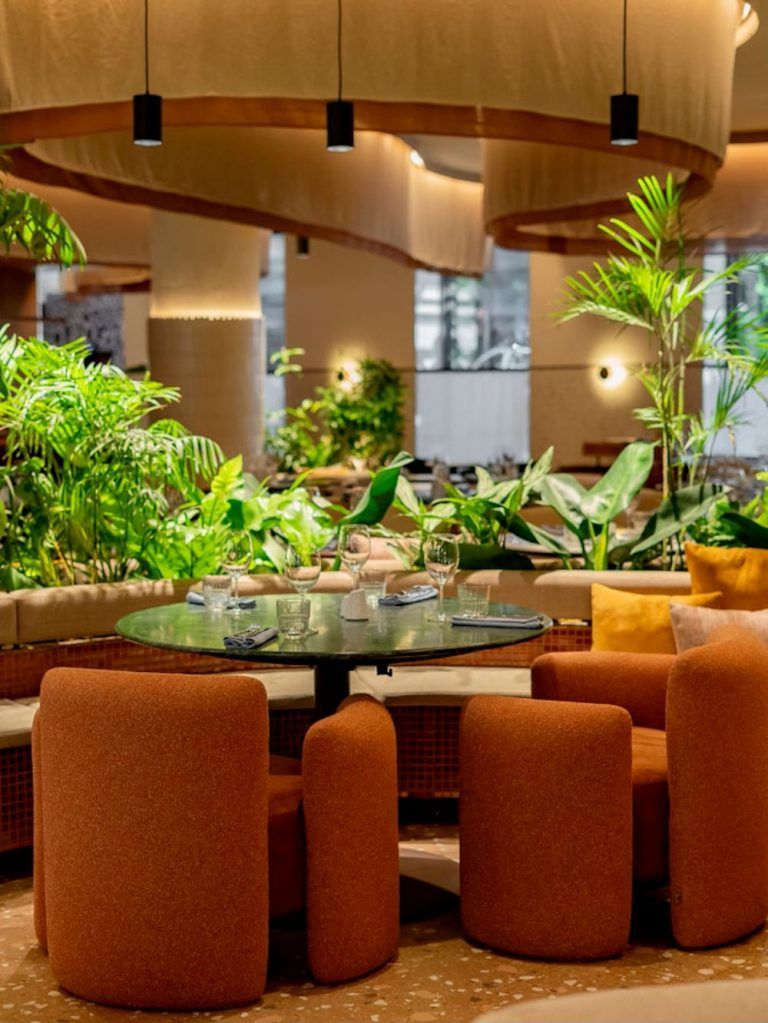
Food and beverage is also taking on a more central role. Rather than operating as standalone restaurants, Pullman is positioning its bars and dining venues as lively social hubs where hotel guests, locals and creatives naturally come together.
Later this year, the brand will introduce its new “Unexpected Pairings” ritual, featuring creative cocktail and food combinations designed to spark conversation. Existing venues including SkyBar at Pullman Paris Montparnasse, Hacienda Bar & Lounge in Sydney, Macáya in São Paulo and La Fabrique in Dubai already reflect this direction.
Meetings are also being reimagined. Instead of simply providing conference facilities, Pullman wants its meeting spaces to encourage collaboration, creativity and cultural exchange. Events such as Pullman xChange are intended to demonstrate how business gatherings can become immersive experiences rather than traditional conferences.
The transformation extends well beyond design.
Over the past 18 months, Pullman has introduced a global emotional intelligence training program focused on empathy, cultural awareness and authentic service. More than 70% of the brand’s 30,000-plus employees—known internally as “Heartists”—have completed the program.
A new “Hosts of Pullman” initiative, inspired by the historic Pullman Porters, is also being piloted in eight countries. Rather than acting solely as reception staff or concierges, these hosts are tasked with creating personalized interactions and helping guests connect with local experiences. The program is expected to roll out globally in 2027.
Pullman now operates more than 150 hotels with over 45,000 rooms across more than 40 countries, while another 60-plus properties are in development. Recent openings include Pullman Ninh Binh in Vietnam, with additional hotels planned in New Zealand and China.
According to Pullman, the brand is on track to exceed 200 hotels worldwide within the next five years, with China, Indonesia and Australia among its strongest growth markets.