Ancillary revenue growth by AirAsia X reveals that travellers on long flights tend to spend more online and while onboard.
AirAsia X bumped up its ancillary revenue to US$41.6 per passenger in 2010 from last year’s result of US$24.3
“Early pundits called the idea of operating an all a la carte service on 13-hour flight segments to be sheer folly,†said Jay Sorensen, author of the 2011 Amadeus Yearbook of Ancillary Revenue by IdeaWorks.
“That’s right, passengers wanting a meal on a flight between Asia and Europe had better pre-order or bring their wallet.â€
But Sorensen says consumers have embraced the long haul – a la carte concept and AirAsia X’s continued growth and planned share offering are signs of this success.
Ancillary revenues have become the money tree for the world’s airlines, said Sorensen
“The magic of ancillary revenue is the broad appeal it offers to virtually every type of carrier.
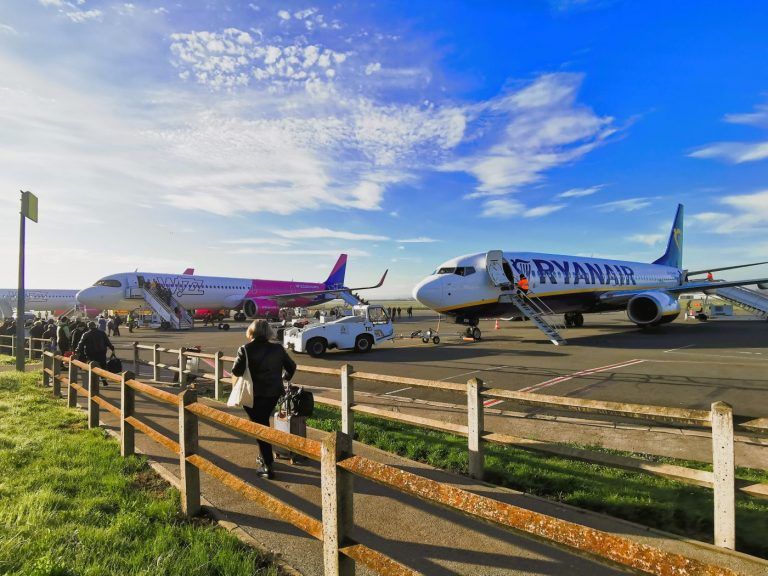
“It’s a revenue art practiced by global airlines known for luxurious first class suites such as Emirates, and carriers that sell a bare bones product of a seat with a 30-inch pitch such as Ryanair.â€
The extra charges will only increase, said Sorensen. “The price of oil has been testing the same levels as it did back in 2008, and this will likely trigger the spread of baggage fees to more global markets such as Asia and South America.
“The tightly woven world of airline alliances and code share operations will almost certainly require the alliances to accept a new wave of bag fees.â€