Tourists are increasingly venturing beyond Prague to discover more of Czechia, according to new 2025 figures from CzechTourism, which show visitor numbers are becoming more evenly distributed across the country.
More than 1,300 monitored attractions welcomed over 48 million visitors in 2025, reflecting strong demand for heritage and cultural sites as well as natural attractions across every region.
Prague Castle remained the country’s biggest draw, attracting more than 2.7 million visitors. Prague Zoo retained second place with almost 1.5 million visitors, while AquaPalace Prague, Central Europe’s largest water park, ranked third with nearly 1.2 million guests.
The former industrial complex of Dolní Vítkovice in Ostrava also passed the one-million-visitor mark for the first time after a 12% annual increase, highlighting the growing appeal of industrial tourism. Aqualand Moravia and Zlín Zoo also featured among the country’s top attractions.
Families continue to drive demand
Family-friendly attractions dominated the rankings. Four zoos made the national top 10, while water parks, amusement parks and interactive science centers continued attracting large numbers of domestic and international visitors.
Regional destinations also strengthened their appeal. South Moravia benefited from the popularity of Aqualand Moravia, while the Liberec and Moravian-Silesian regions attracted visitors interested in science and industrial heritage. The Hradec Králové region drew travelers to the spectacular Adršpach Rocks, and the Pardubice region continued to benefit from Sky Bridge 721, one of the world’s longest pedestrian suspension bridges.
Museums and history surge
Some of the strongest growth came from museums and sites linked to modern history. The National Memorial on Vítkov Hill recorded the largest increase among the country’s top 50 attractions, with visitor numbers jumping 666% after opening a panoramic observation terrace.
Other notable gains included Vila Grossmann in Ostrava (+208%), the Žižkov Army Museum (+111%), the National Memorial to the Heydrich Terror (+110%), and the Hussite Museum in Tábor (+114%).
The figures suggest visitors are increasingly seeking authentic cultural experiences, immersive exhibitions and destinations that tell lesser-known stories about Czech history.
Nature tourism’s unabated appeal
Natural attractions also enjoyed another strong year. The Adršpach Rocks remained Czechia’s most visited natural attraction, welcoming more than 512,000 visitors. The Moravian Karst, Prachov Rocks, Tisá Cliffs and Koněprusy Caves also ranked among the country’s favorite outdoor destinations.
CzechTourism says growing interest in hiking holidays is helping spread tourism into rural regions. The country offers more than 44,000 kilometers (27,340 miles) of marked hiking trails and approximately 40,000 kilometers (24,855 miles) of cycling routes, making active tourism an increasingly important part of its visitor appeal.
Hidden Gems strategy helps spread tourism
CzechTourism says one of the biggest trends is growing interest in destinations beyond the country’s best-known landmarks thanks through its annual Hidden Gems initiative.
The campaign is designed to encourage travelers to explore lesser-known parts of Czechia while easing pressure on heavily visited attractions such as Prague Castle. According to CzechTourism, many of the featured locations surprise visitors with their rich history, distinctive architecture, living traditions and strong local character, despite remaining largely overlooked by international tourists.
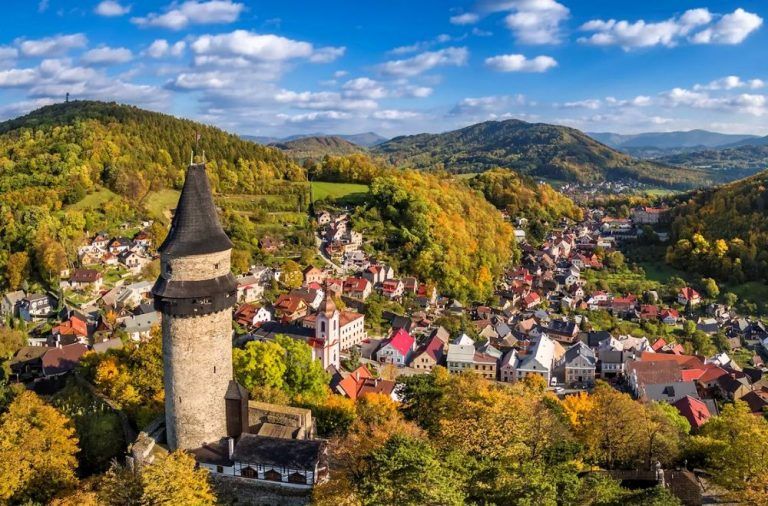
The 2025 visitor figures suggest the strategy is paying off. Attractions including the National Memorial on Vítkov Hill, Průhonice Park, the Černá Louka Exhibition Centre in Ostrava, the legendary Štramberk castle and tower and the historic Sedlec district in Kutná Hora all recorded strong growth. CzechTourism says the Hidden Gems initiative is helping spread the economic benefits of tourism to regional communities and local businesses