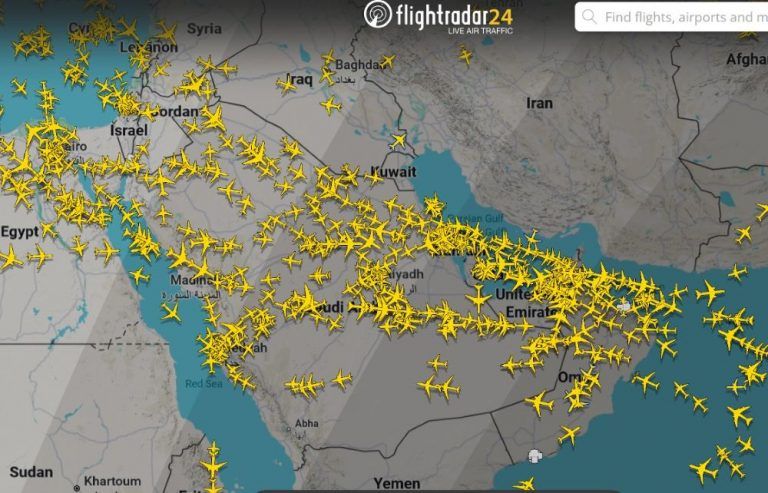
European aviation safety regulators have issued a new Conflict Zone Information Bulletin (CZIB), urging airlines to avoid flying through the airspace of Bahrain, Kuwait, Qatar, the United Arab Emirates and part of the Gulf of Oman due to escalating security risks linked to renewed tensions between the United States and Iran.
The European Union Aviation Safety Agency (EASA), together with the European Commission and EU Member States, said the security situation across the Gulf has deteriorated following repeated violations of a temporary ceasefire between the US and Iran.
The ceasefire, first announced on April 8, 2026, was extended for another 60 days through a Memorandum of Understanding signed on June 17. However, EASA said repeated breaches have significantly increased the threat level for civil aviation.
According to the agency, Iranian efforts to assert control over the Strait of Hormuz, repeated attacks on commercial shipping and subsequent US military operations have created a high-risk environment across the region.
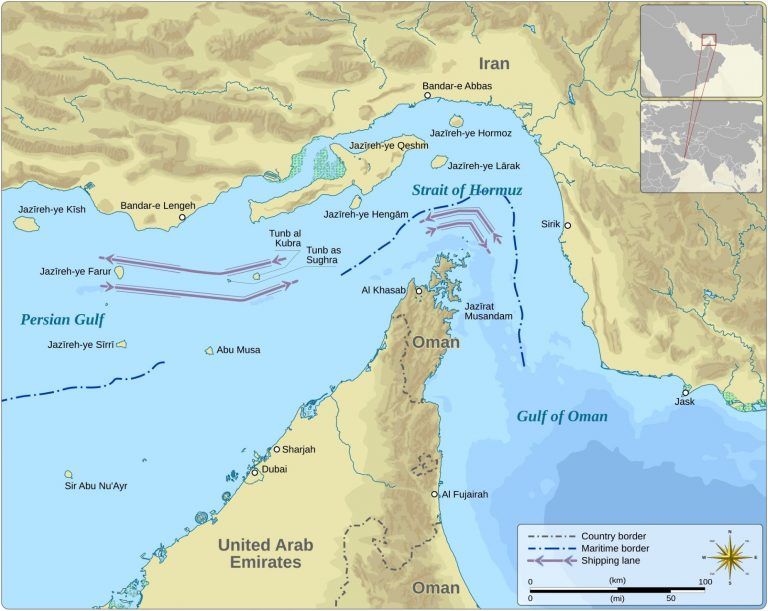
EASA warned that Bahrain, Kuwait, Qatar and the United Arab Emirates could be directly exposed to Iranian missile and drone strikes because they host major US military facilities. Airspace over the western Gulf of Oman, west of longitude 58°E, is also considered at high risk.
The agency said civil aircraft could face dangers from missile and drone activity, military interceptions, falling debris and rapidly changing combat operations. The activation of regional and US air defense systems also raises the possibility of aircraft misidentification and unintended engagement.
Military operations could occur with little or no warning, leaving airlines and air navigation service providers with limited time to reroute flights or implement other risk mitigation measures.
Although regional authorities have imposed temporary airspace closures and restrictions during previous phases of the conflict, EASA cautioned that the pace of military developments may outstrip the implementation of such measures.
The agency said the combination of missile launches, drone operations, combat aircraft and air defense activity poses a serious threat to civil aviation at all altitudes.
EASA recommends that all air operators refrain from operating in the Bahrain (OBBB), Kuwait (OKAC), Doha (OTDF) and Emirates (OMAE) flight information regions, as well as the section of Muscat FIR (OOMM) covering the Gulf of Oman west of longitude 58°E.
Airlines are also advised to closely monitor the evolving situation, review all relevant aeronautical notices and guidance, and follow updates issued by national aviation authorities and the European Information Sharing and Cooperation Platform on Conflict Zones.
EASA said it will continue to assess the security situation and update its guidance as the regional threat evolves.