German travelers are continuing to prioritize vacations in 2026, although rising costs and global uncertainty are reshaping the way they plan and spend.
According to the latest Global Travel Confidence Index from Allianz Partners, travel demand in Germany remains strong, but consumers are becoming increasingly strategic in their decisions.
The survey found that around two-thirds of Germans are planning a summer vacation this year. International travel remains the preferred choice, with 41% intending to travel abroad, while 26% are opting for domestic trips within Germany. However, nearly one-third of respondents, or 31%, said they do not plan to travel this summer, highlighting that vacations are no longer viewed as guaranteed spending for every household.
Traveling yes…but cutting on holiday spending
Average planned travel spending stands at €1,431 per person, placing German travelers in the mid-range compared to other European markets. Even so, the research points to growing caution when it comes to travel budgets as consumers respond to ongoing inflationary pressures and economic uncertainty.
Rather than giving up vacations altogether, many travelers are adjusting their plans to better manage costs. Consumers are becoming more selective about destinations, shortening the duration of trips, and carefully evaluating overall value for money. Some are also cutting spending in other areas of their lives in order to preserve travel budgets.
The findings suggest that travel continues to be seen as an important part of relaxation, wellbeing, and quality of life. However, booking behavior has shifted noticeably compared to previous years, with travelers placing greater emphasis on planning and financial control.
Several factors are increasingly influencing destination choices. Travelers are favoring destinations that are easy to reach, predictable, and perceived as safe. Convenience and cost transparency are becoming more important, while spontaneous bookings are giving way to earlier and more deliberate planning.
Assessing disruptions due to external factors
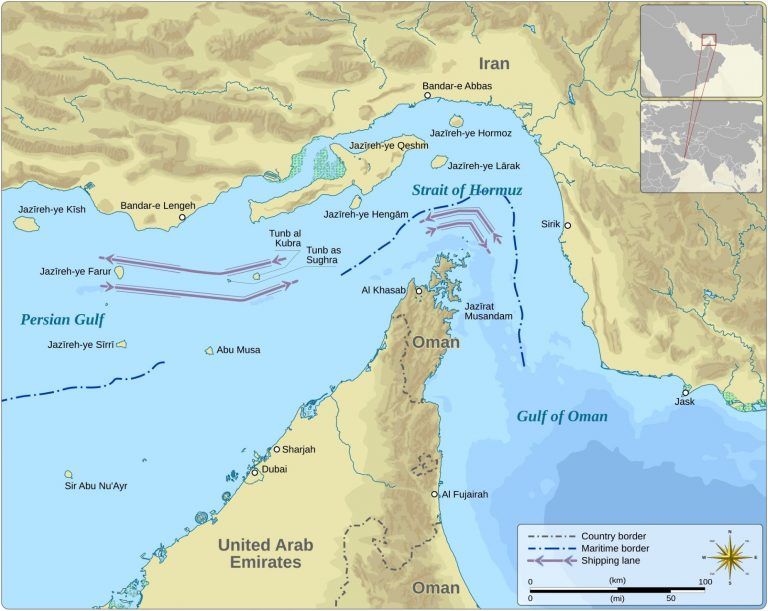
The study also highlights the growing impact of geopolitical concerns and operational disruptions on consumer confidence. Travelers are paying closer attention to risks such as flight delays, cancellations, and broader global instability when making vacation decisions. Personal safety at the destination is also becoming a more significant factor in the booking process.
As a result, travelers are conducting more careful risk assessments before committing to trips, reflecting a wider shift toward cautious and informed decision-making across the market.
Against this backdrop, travel insurance is becoming an increasingly important component of trip planning. Allianz Partners said insurance is no longer viewed simply as an optional add-on, but rather as a core part of the travel experience, helping provide reassurance, flexibility, and financial protection in what many consumers see as a more unpredictable travel environment.
Stefan Schrödel, Head of Tourism Sales at Allianz Partners Germany, said: “The desire to travel among Germans remains strong, but it has become far more conscious. Consumers are paying closer attention to where they travel, how much they spend, and which risks they are prepared to take. In an environment shaped by uncertainty, protection and security are becoming increasingly important. Travel remains a key part of relaxation and quality of life, but it is now planned much more strategically.”