The aviation fallout from the Iran conflict is expected to intensify across Asia-Pacific in the coming months, with airlines facing mounting fuel bills, higher operating costs and weakening consumer demand.
According to an interview published by The Business Times Singapore, Wong Hong, head of the Association of Asia Pacific Airlines said the industry has yet to feel the full impact of soaring oil and jet fuel prices.
AAPA director-general Wong Hong added that airlines were largely protected during the first quarter of 2026 due to fuel hedging strategies. However, he warned the pressure will become more visible from the second quarter onward as hedging strategies start to vanish.
“If fuel prices continue like this or worsen, inflation will hit consumers and everything becomes more expensive,” Wong told The Business Times. “Demand is going to be affected.”
Jet fuel prices climbed toward US$200 a barrel last week, creating fresh concerns for carriers already operating on tight margins. Fuel typically represents between 30% and 40% of airline operating costs but their share in spending is likely to increase to 50% this year.
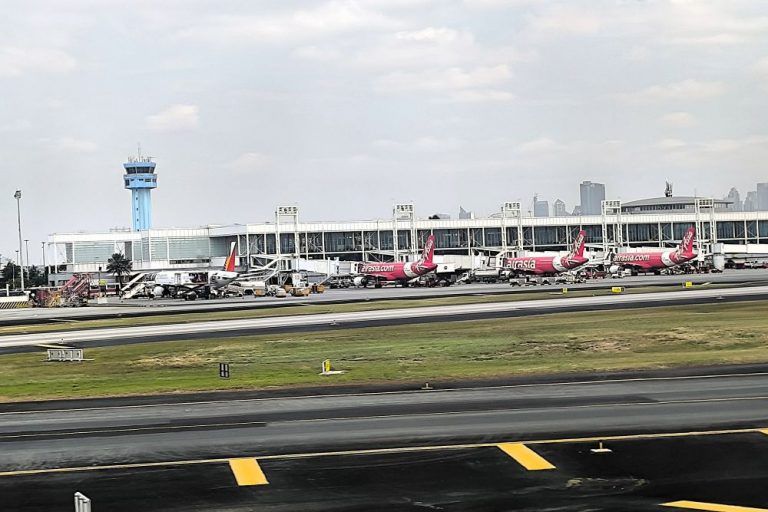
Regional airlines including AirAsia, Air New Zealand, Air India and Air China have already introduced fuel surcharges or reduced services in response to rising costs.
Inflation to affect consumers’ travel habits
Wong said airlines that hedged fuel purchases gained temporary protection. However, this advantage will now start to fade.
“Airfares have gone up, but they’ve only probably defrayed a portion,” he said. “There is pain, and airlines are feeling it.”
The trade body, which counts carriers including Singapore Airlines, Cathay Pacific and Thai Airways among its members, also warned that inflation could reduce discretionary spending on travel after the peak summer season.
Wong said airlines are reviewing networks closely, including cutting weaker routes and exploring operational changes such as fuel tankering to reduce expenses.
He also urged governments to work more closely with airlines to help stabilize the sector during the crisis. He pointed to support measures recently announced by Malaysia, including ticket rebates, navigation fee extensions and parking fee exemptions for airlines.
Despite the near-term turbulence, Wong said long-term demand fundamentals for Asia-Pacific aviation remain strong, particularly as disruptions at some Middle East hubs redirect traffic into the region.