Boeing has indicated that over the next 20 years, airlines in Australia, New Zealand and the South Pacific Islands will require 920 new airplanes valued at US$120 billion.
Boeing Commercial Airplanes vice president of marketing, Randy Tinseth, said the Australian aviation market had been transformed by intense competition, innovation by airlines and in the development of new, more efficient aircraft, as well as the growth of low cost airlines.
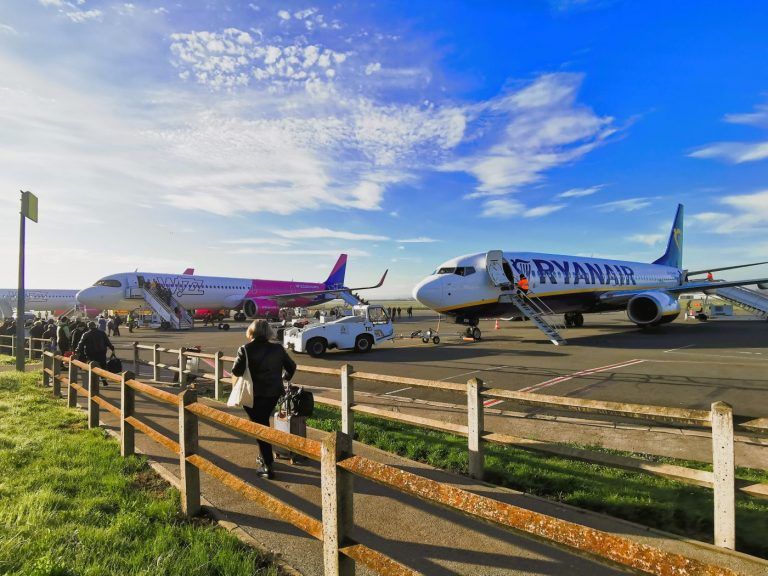
“In 2000, low cost airlines provided just two percent of seats provided by the top 10 airlines operating in the Australian airline market.
“By 2009, low cost airlines were providing 45 per cent of all seats,” he said.
Globally, airlines will need 30,900 new airplanes through to 2029, valued at US$3.6 trillion.
Tinseth said that forecast growth in the aviation industry reflected encouraging signs in the global economy which was transitioning from recovery to expansion.
“The Australian economy has fared better than the rest of the world over the past few years, moving to growth well ahead of the global economy,” Tinseth said.
“We’re seeing that growth reflected in passenger travel in this region, with Oceania air travel growth expected to be about 6 percent annually, compared to a world average growth of 5.3 percent.”
Looking at the Asia Pacific region in its entirety, long-term air traffic growth is projected to be 7.1 percent annually over the next 20 years, compared to a world average growth of 4.9 percent.
“Today about one-third of all airline traffic touches the Asia-Pacific region, and as a result of the growth in this market, by 2029 almost 43 percent of all traffic will be to, from, or within the region,” Tinseth said.