Africa efforts by some nations to attract luxury tourism have yielded limited benefits for local communities, reports news agency Reuters. This is demonstrated in a new research by the University of Manchester saying that it often causes more harm than good.
Rising business and leisure travel on the continent has made it increasingly attractive for multinational companies. Airlines have also increased their African capacity, and in some nations that momentum is translating into economic impact.
Many African governments are targeting luxury tourism development. They describe it as “high-value, low-impact.” However, the research – published in African Studies Review – has found that is not always the case.
All-inclusive resorts are often cut off from local life, hire few local workers. They also keep tourists from spending in nearby communities by providing everything on-site, it said.
The research added the most profitable eco-lodges were foreign-owned. Much of the tourist spending flowing to overseas travel agencies, food imports or profits repatriated abroad.
It also argued luxury tourism deepens inequality. Profits keep indeed concentrated among foreign operators. Or go to a small local elite while wages for most tourism jobs remain low.
Protests emerging
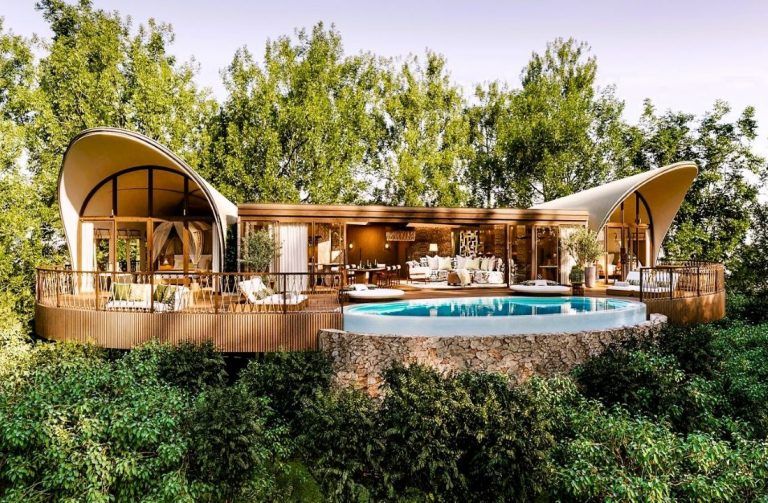
The issue is regularly fueling tensions on the ground reports Reuters. Just last week, a local activist filed a lawsuit seeking to block the opening of a new Ritz-Carlton luxury safari lodge. The luxury retreat boasts plunge pools and personalised butler service, in Kenya‘s Maasai Mara reserve.
The dispute is the latest flashpoint in East Africa’s grasslands. The fight involves luxury tourism and Maasai herders who say the sector’s development is harming their habitats and ways of life.
In Kenya, locals also complained about what they say are land grabs by wealthy investors. In Tanzania, protests against the eviction of tens of thousands of Maasai to make way for hunting lodges have led to deadly clashes with police.
(Source: Reuters)