UNESCO has expanded its World Heritage List with 18 newly inscribed cultural and natural properties, recognizing places of outstanding universal value across Asia, Africa, Europe, the Middle East and North America.
The latest additions celebrate ancient civilizations, religious landmarks, remarkable architecture and biodiversity hotspots while reinforcing UNESCO‘s commitment to preserving the world’s cultural and natural heritage for future generations.
Cultural sites
Ancient Buddhist Site of Sarnath, India
The sacred site where Buddha delivered his first sermon features archaeological remains of temples, stupas and monasteries, remaining one of Buddhism’s four principal pilgrimage destinations.
Ancient Capitals of Asuka and Fujiwara, Japan
Nineteen archaeological sites preserve Japan’s earliest imperial capitals, illustrating the emergence of centralized government and Buddhist culture between the sixth and eighth centuries.
Jingdezhen Handicraft Porcelain Industry Sites, China
Five locations document nearly 1,000 years of porcelain production, showcasing technological innovation, industrial organization and craftsmanship that influenced ceramic traditions worldwide.
Mount Amel Castles, Lebanon
Five fortified hilltop castles illustrate centuries of military architecture and strategic defense, reflecting cultural exchanges between Crusader, Islamic and Ottoman civilizations.
Rock Mosques and Sacred Sites of Mangystau, Kazakhstan
Five underground mosques and surrounding cemeteries combine Sufi traditions with ancient spiritual practices, remaining important pilgrimage destinations on the Mangystau Peninsula.
Sebastia, State of Palestine
Recognized under UNESCO’s cultural criterion (iii), Sebastia joins the World Heritage List as an outstanding testimony to a historic civilization. The source provides no further description.
Tashkent Modernist Architecture, Uzbekistan
Ten landmark buildings showcase the reconstruction of Tashkent after the 1966 earthquake, blending Soviet modernism with local architecture, climate adaptation and seismic engineering.
Cemetery Complexes of the Xiongnu Nobility, Mongolia
Eight royal burial complexes preserve exceptional evidence of the Xiongnu Empire, revealing ancient nomadic traditions, engineering skills and funerary customs across Eurasia.
Medinas of the Historic Sultanates of the Comoros
Six historic towns reflect centuries of Indian Ocean trade, Islamic traditions and distinctive social customs that shaped the urban development of the Comoros archipelago.
Roças of São Tomé and Príncipe
Six former coffee and cocoa plantations illustrate Portugal’s colonial agricultural system and the history of forced migration and labor during the late nineteenth and twentieth centuries.
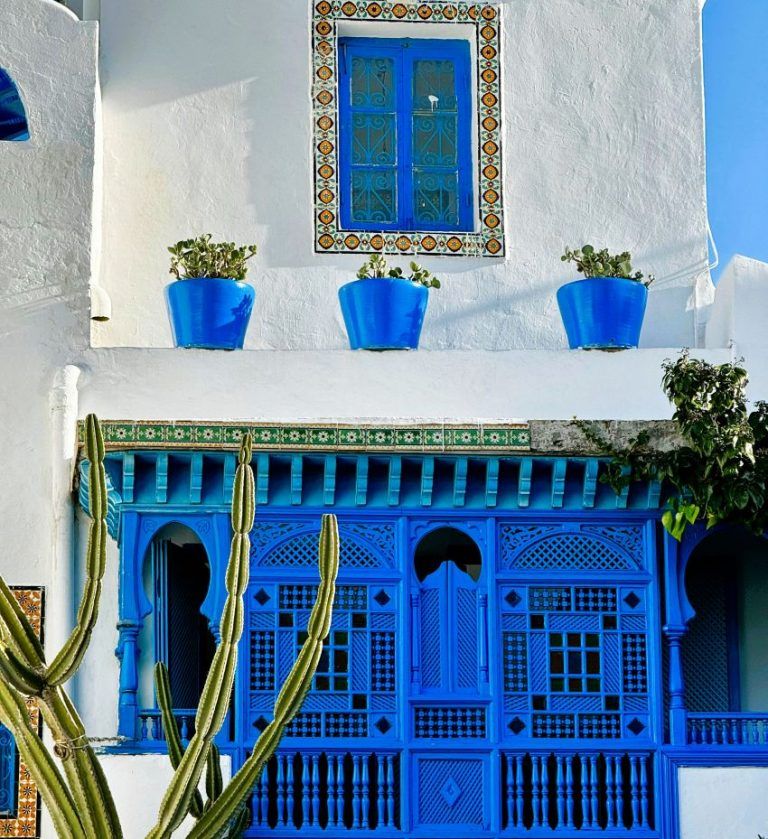
Village of Sidi Bou Saïd, Tunisia
The iconic clifftop village overlooking the Mediterranean is celebrated for its white-and-blue architecture, spiritual heritage and harmonious integration with the surrounding landscape.
Wat Phra Mahathat Woramahawihan, Thailand
This eighth-century Buddhist monastery in Nakhon Si Thammarat reflects more than 1,500 years of religious traditions and cultural influences that spread across Thailand and Southeast Asia.
Natural sites
Aqaba Marine Reserve, Jordan
The northernmost tropical coral reef system protects exceptional marine biodiversity, including resilient coral ecosystems and hundreds of endemic fish and mollusc species.
Boma–Badingilo Migratory Landscape, South Sudan
A vast mosaic of wetlands and savannas supports one of the world’s largest terrestrial mammal migrations and diverse wildlife across an ecologically intact landscape.
Okefenokee National Wildlife Refuge, United States
One of the world’s largest intact subtropical peatlands safeguards exceptional biodiversity, important carbon stores and extensive wetland ecosystems in the southeastern United States.
Bony Fish Fossils of the Western Limfjord, Denmark
Remarkably preserved fossil deposits document the early evolution of modern fish and environmental changes following the Paleocene-Eocene Thermal Maximum.
Wadi Wurayah, United Arab Emirates
Located in the Hajar Mountains, this protected area conserves unique geological formations and more than 1,000 recorded plant and animal species.
Modifications to boundaries of natural properties
Getbol, Korean Tidal Flats (Phase II), Republic of Korea
UNESCO approved a boundary extension to this existing World Heritage site, expanding protection for ecologically rich tidal flats that support migratory birds and endemic species.
Garamba National Park, Democratic Republic of the Congo
The World Heritage Committee updated the site’s inscription criteria, recognizing the park’s exceptional ecological processes and outstanding biodiversity across its forest-savanna ecosystems.