
British Airways has defended itself after it was named as the worst-performing airline when it comes to fuel efficiency on transatlantic routes.
It said with new, more fuel efficient aircraft coming into operation, it continues to improve its carbon emissions performance.
"By the end of 2016 we will have 12 A380s, 24 787s with a further 18 to come," it said. "In 2018 we will start taking delivery of 18 A350s. We have also developed innovative operational procedures which have been adopted by other carriers to increase fuel efficiency.
"We are very proud of our environmental performance and take our environmental responsibilities very seriously."
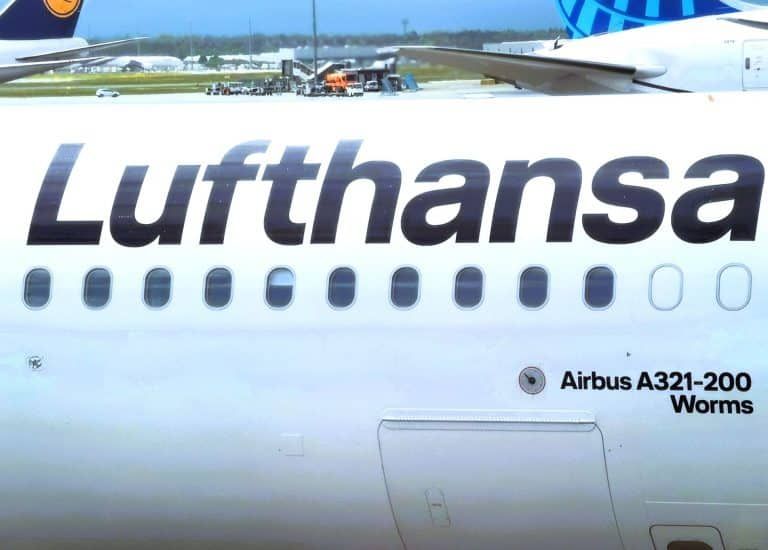
A study by the International Council on Clean Transportation of the top 20 airlines which fly between Europe and North America put Lufthansa, SAS and BA at the bottom of the list (see below).
These three airlines account for one fifth of the total transatlantic air travel.
Norwegian Air Shuttle was named the most fuel-efficient airline.
The study found the gap between the most and least fuel-efficient airlines on 2014 transatlantic operations was 51%.
It said airlines, such as Norwegian, which have invested in new, advanced aircraft are significantly more fuel-efficient than airlines flying older planes.
Seating configuration and aircraft fuel burn are the two most important factors influencing airline fuel efficiency, said the report, accounting for about 80% of the variation in fuel efficiency among the airlines studied.
The impact of first class and business seats accounted for only 14% of available seat kilometers flown on transatlantic routes but approximately one-third of total carbon emissions.
"For carriers like British Airways and Swiss, premium seating was responsible for almost one-half of their total emissions from passenger travel," it said.
In a statement, BA said it has already improved its carbon efficiency by 10% between 2005 and 2014 (from 110.8 grammes of CO2 per passenger kilometre in 2005 to 100.1 grammes of CO2 per passenger kilometre in 2014).
"We are on track to deliver our target of 83gCO2/pkm which means 25 per cent improvement by 2025," it added.
It also hit out at the research, saying a ‘better approach’ would have been to look at airlines’ global operations rather than segment one region.