
Chinese travelers planning trips for the upcoming May Labor Day holiday are facing widespread disruption as airlines slash capacity across China–Southeast Asia routes, with rising fuel costs linked to the US–Iran conflict forcing carriers to pull flights at short notice.
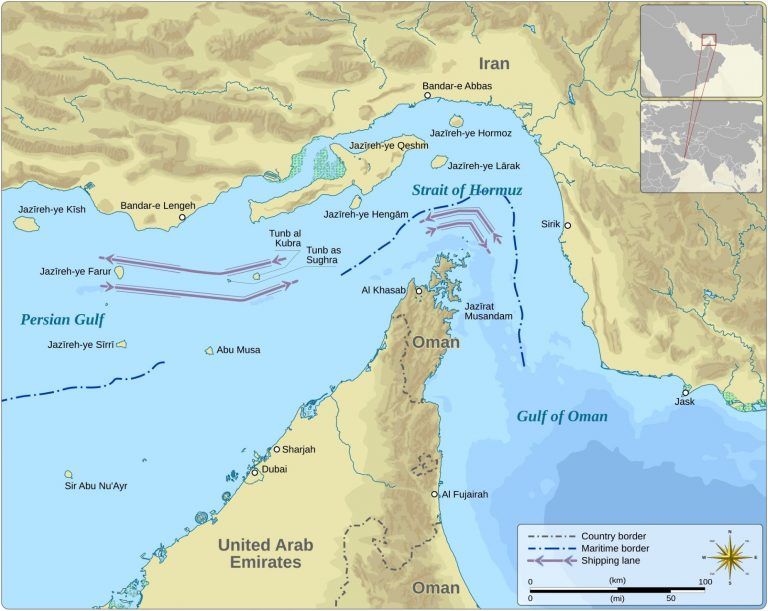
Social media platforms have been flooded with complaints from passengers whose travel plans have been upended. The wave of cancellations comes amid mounting pressure on airlines following the closure of the Strait of Hormuz, a critical global energy chokepoint.
The resulting spike in jet fuel prices is hitting Asia particularly hard, with Southeast Asia—one of the most popular outbound regions for Chinese travelers—seeing multiple route suspensions since early April.
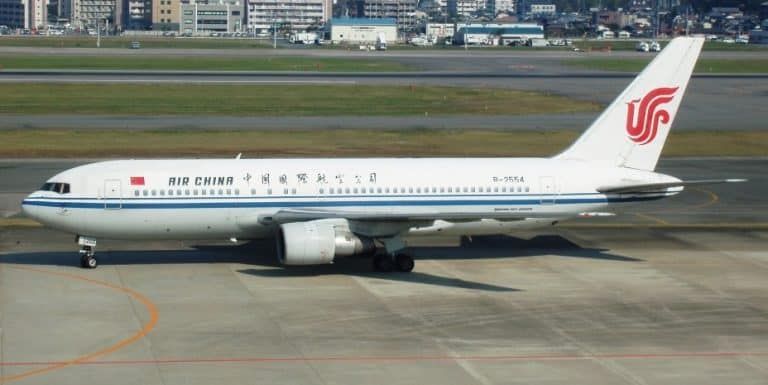
Canceled services include connections such as Xi’an–Phuket and Xiamen–Vientiane. Air China has reportedly suspended Chengdu–Kuala Lumpur flights through June 30, while carriers including Spring Airlines, China Eastern and China Southern have trimmed holiday-period schedules.
Low-cost carrier AirAsia has also suspended Bangkok–Shanghai and Bangkok–Xi’an routes, while Juneyao Air and Sichuan Airlines have canceled selected Singapore services during late April and early May.
Budget airlines, the most under pressure
Industry analysts say low-cost carriers are bearing the brunt of the fuel crisis. Unlike full-service airlines, they typically do not hedge fuel purchases, leaving them exposed to sudden price spikes.
“Rising crude and jet fuel prices hit low-cost carriers much harder because they lack protection,” said tourism analyst Gary Bowerman to TV news channel CNA. He noted fuel can now account for nearly half of operating costs at some budget airlines, making certain routes financially unviable.
Full-service airlines, while more insulated through fuel hedging, are also adjusting capacity. Cathay Pacific has announced cuts across regional and some long-haul routes between mid-May and late June, while its low-cost arm HK Express will reduce frequencies by about 6%.
Outlook remains volatile
The situation is expected to remain unpredictable, with further disruptions likely depending on how the Middle East conflict evolves. Even in the event of a rapid de-escalation, experts warn that supply chains and fuel logistics could take months to normalize even under the best-case scenario. This does not seem to be the case for the time being as Iranians closed again the Strait of Hormuz just after a day opening.
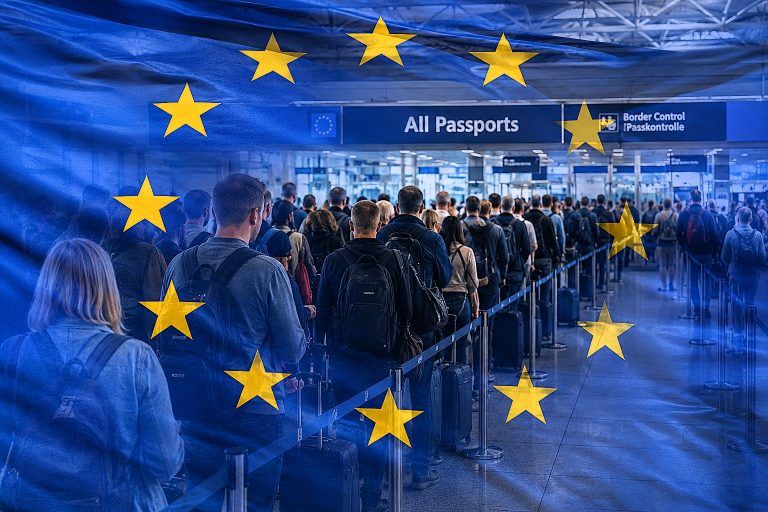
Meanwhile, shifting dynamics are already emerging. Chinese airlines are ramping up capacity to Europe, with China Eastern planning a 24% increase in frequencies for the summer–autumn season, and China Southern adding new long-haul routes.
The shift could generate a new shift in Chinese travelers’ habits. Southeast Asia trips might be dropped out, as consumers worry about last-minute cancellations and rising costs. While outbound long-haul travel, especially from higher-end segments in China, could increase. Budget regional travel would then be the segment to recover last, even in case of a halt to hostilities in the Gulf.