According to Costa Rica English newspaper The Tico Times, Costa Rica and Panama have taken a fresh step toward improving regional rail links by signing a memorandum of understanding focused on railway development. The agreement revives long-standing ambitions to strengthen overland connections between the two nations—and potentially extend them across Central America.
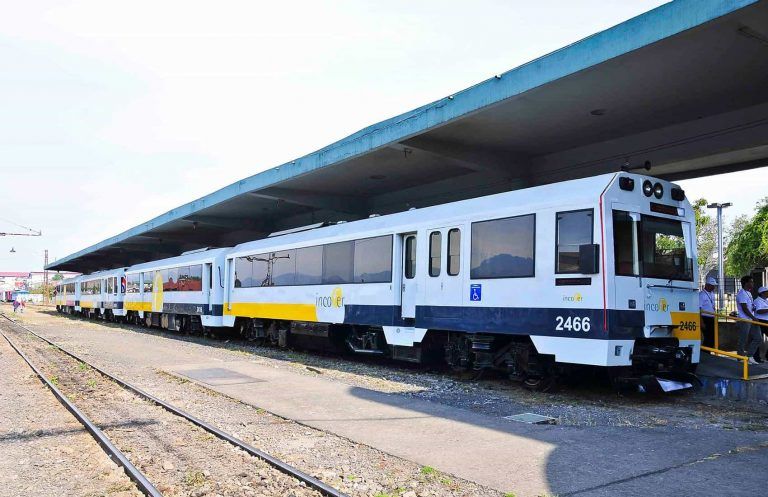
The deal links Costa Rica to Panama’s planned Panama–David–Paso Canoas railway, laying the groundwork for future cross-border coordination on rail infrastructure. It has recently been signed by Costa Rica’s rail authority, INCOFER, and Panama’s National Railway Secretariat. Officials described it as the first formal move toward a broader Central American rail corridor, with Costa Rica becoming Panama’s initial regional partner.
Panama’s project is currently more advanced on paper. Authorities there envision a roughly 475-kilometer line stretching from Panama City to Paso Canoas on the Costa Rican border, with 14 stations planned, including key stops such as Albrook, La Chorrera, Santiago, David, Bugaba, and Paso Canoas. Early development efforts are reportedly focused on the Panamá Pacífico–Divisa հատված.
For Costa Rica, however, the memorandum stops short of launching construction or finalizing a cross-border rail line. Instead, it establishes a framework for cooperation in areas such as feasibility studies, engineering, environmental and social impact assessments, land-use planning in border regions, cultural and natural heritage protection, and infrastructure risk management.
INCOFER said the initiative is designed to advance a modern, sustainable rail system that enhances connectivity while supporting trade, logistics, tourism, and wider economic integration. This signals ambitions that go beyond passenger transport, positioning the railway as a strategic logistics corridor for freight and cross-border commerce in southern Central America.
Significant hurdles remain. Large-scale rail developments in the region often face challenges including financing, environmental approvals, land acquisition, cross-border coordination, and political continuity.
Panama has already progressed further technically, having appointed AECOM USA earlier this year to support advisory and feasibility work on its railway project. Costa Rica, by contrast, is still at the planning and cooperation stage.
As a result, the agreement is best seen as an important early milestone rather than a guarantee of trains running between the two countries. Still, it places Costa Rica firmly within the most tangible regional rail initiative in years and creates a formal mechanism for both nations to begin aligning what could eventually become a shared transportation corridor.