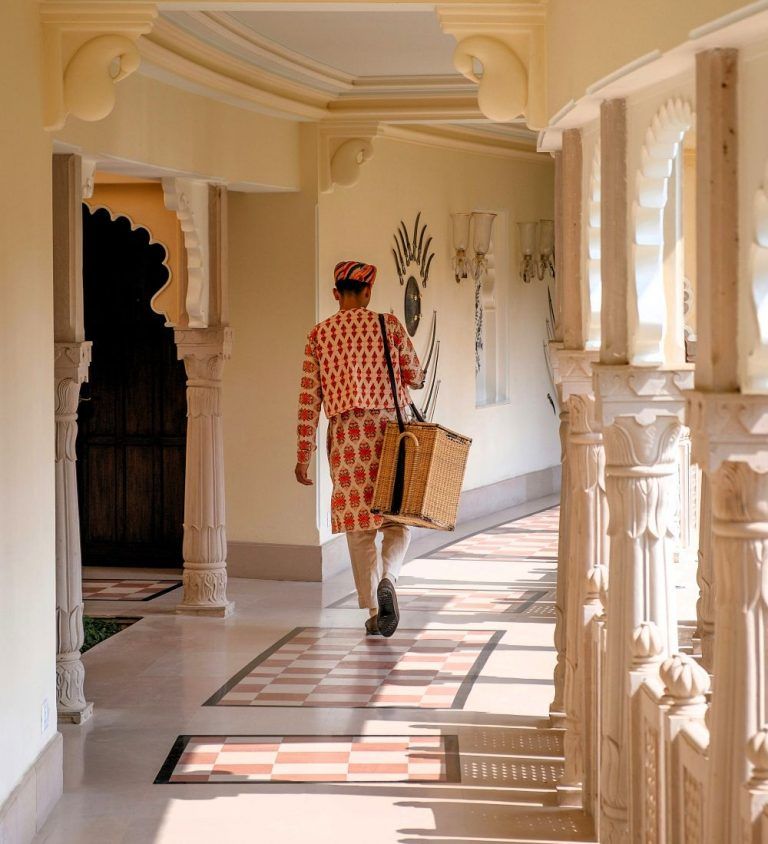
India’s hospitality industry is entering a new era of expansion, fueled by soaring domestic travel, a fast-growing middle class and improving infrastructure.
While global attention often focuses on India’s major gateway cities, the country’s next wave of hotel development is increasingly unfolding in smaller urban centers, creating fresh opportunities—and new operational challenges—for hospitality companies.
According to the EHL Hospitality Outlook Report 2026 – India, the country’s hotel sector is benefiting from one of the world’s strongest domestic tourism markets. Unlike many destinations that rely heavily on international arrivals, India’s hospitality industry is powered primarily by its own travelers, providing a more resilient foundation for long-term growth.
India’s economy continues to generate rising disposable incomes, while improved transportation networks and government investment are making travel accessible to millions more consumers. This combination is reshaping where—and how—people travel across the country.
Domestic travelers drive sustained hotel demand
Domestic tourism has become the engine behind India’s hospitality expansion. The country recorded an estimated 2.9 billion domestic tourist visits in 2024, with that figure expected to nearly double before the end of the decade.
Indian residents account for approximately 85% of all travel and tourism spending, giving hotel operators a stable customer base that is less vulnerable to fluctuations in international demand.
Government initiatives, including improved regional air connectivity and expanded transportation infrastructure, have opened destinations that were previously difficult to reach. Combined with growing disposable incomes, more Indians are taking leisure breaks, cultural trips, religious pilgrimages and weekend getaways throughout the year.
The result is a hotel market that is no longer dependent on seasonal international visitors. Instead, operators are adapting their strategies to serve consistent year-round domestic demand, requiring greater operational flexibility and more localized marketing.
India’s cultural diversity also shapes travel behavior. As EHL’s Regional Head for India, South Asia and the Middle East, Kanav Mata, notes, “Every 100 kilometers, three things change in India: the language, the cuisine and the clothing.“
That diversity means successful hotel brands cannot rely on a standardized approach across the country but must have destination-tailored strategy and pricing model.
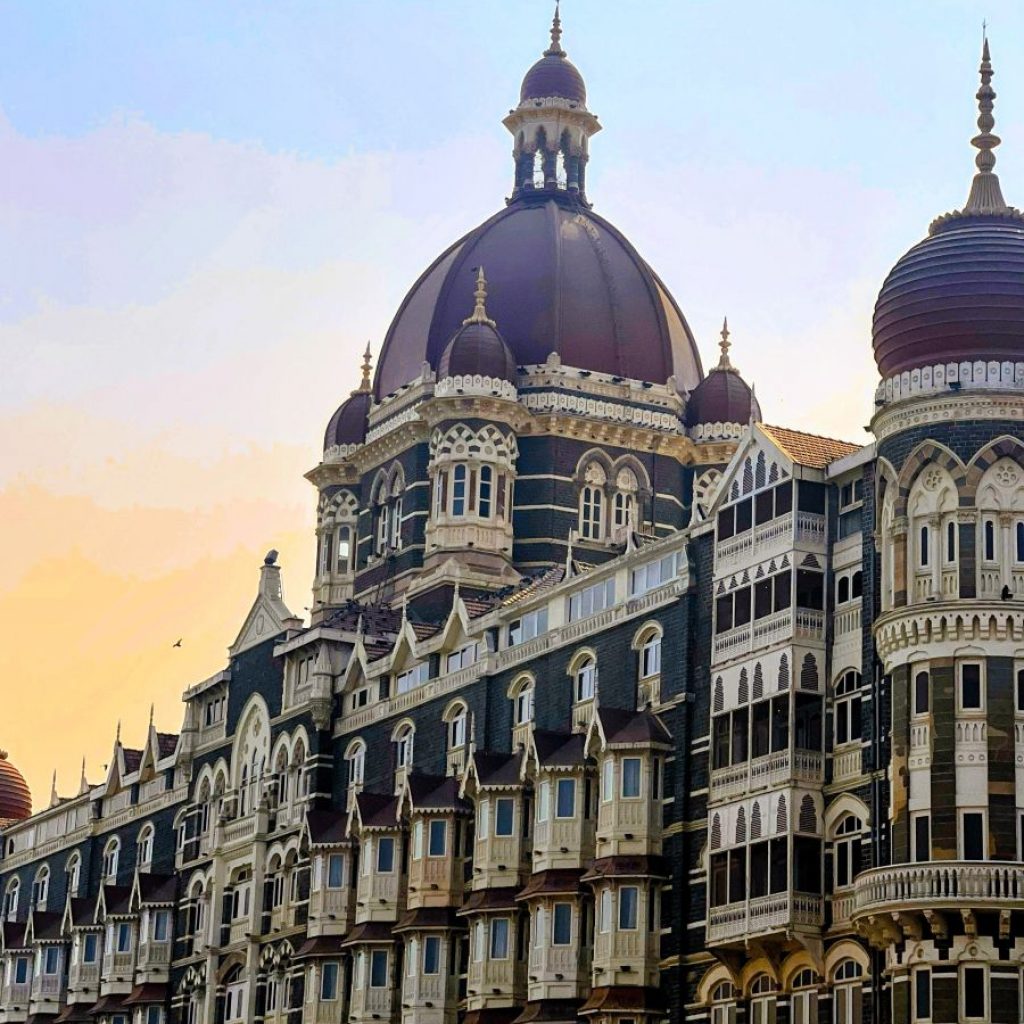 The famed Taj Mahal Hotel in Mumbai (Photo by Sharad Joe on Unsplash)
Growth shifts toward emerging cities
While Delhi, Mumbai and Bengaluru remain key hotel markets, much of India’s future growth is taking place in Tier 2 and Tier 3 cities.
Improved road, rail and air connections, together with government programs such as the Smart Cities Mission and a regional air connectivity initiative, are making secondary cities increasingly attractive for both leisure and business travel.
Emerging commercial hubs including Coimbatore, Surat and Bhubaneswar are seeing rising corporate activity alongside growing demand for meetings, conferences and exhibitions. As a result, hotel investment is spreading well beyond India’s traditional metropolitan centers.
The report indicates that roughly half of hotel investment transactions are now taking place in Tier 2 and Tier 3 cities. Much of the new supply is concentrated in the midscale and upscale segments, reflecting strong demand from India’s expanding domestic middle class.
Both domestic and international hotel brands are accelerating expansion, but entering new markets brings additional complexity. Regional regulations, development costs and differing consumer preferences require operators to adapt rather than simply replicate successful urban models.
Changing traveler expectations are adding another layer of competition. Today’s guests increasingly value authentic, locally rooted experiences over luxury amenities alone. Religious tourism, cultural immersion, culinary experiences and nature-based travel are all contributing to the rapid growth of experiential tourism across India.
Industry forecasts suggest India’s experiential travel segment could reach $45 billion by 2027, driven largely by younger travelers seeking meaningful connections with destinations.
This shift is forcing hotel companies to rethink how they compete. Instead of relying solely on room quality or facilities, brands are investing in personalized service, local experiences and emotional engagement.
Lack of manpower in hospitality
However, the industry’s biggest challenge may not be demand—but people.
Despite employing tens of millions of workers, India’s hospitality sector faces a growing shortage of skilled employees. The gap extends beyond recruitment to leadership development, service quality and operational consistency.
The challenge is particularly acute in emerging cities where many frontline employees are recruited locally. While this strengthens authentic guest experiences, rapid expansion often stretches management resources, forcing companies to promote staff before they are fully prepared for leadership roles.
High employee turnover and competition from aviation, retail and technology industries are further intensifying recruitment pressures.
For hotel operators, India’s outlook remains exceptionally positive. Domestic demand continues to strengthen, new destinations are opening rapidly and investment opportunities remain plentiful.
Yet long-term success will depend not simply on expanding room inventory, but on developing skilled talent, adapting to regional markets and consistently delivering the authentic experiences that India’s new generation of travelers increasingly expects.