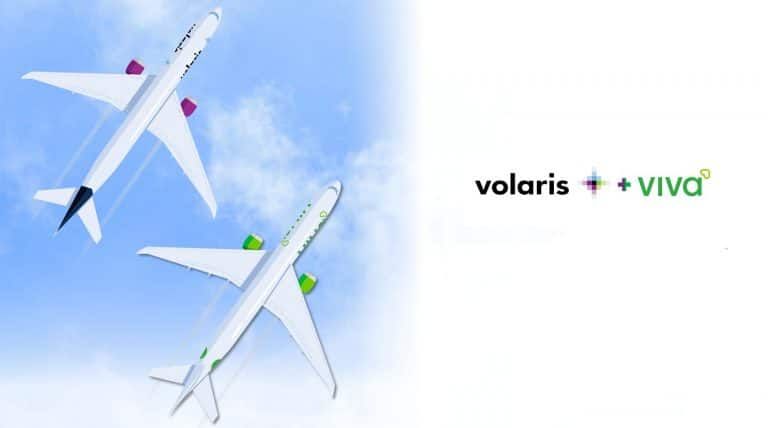
Mexican ultra-low-cost carriers Viva and Volaris are marking their 20th anniversary with a proposed merger that will reshape the competitive landscape for low-cost aviation in Latin America.
Both airlines have built their success on similar low-cost models designed to stimulate demand from price-sensitive travelers, particularly passengers traditionally reliant on bus transport.
The rise in passengers’ number in Mexico prove that the strategy was right. Over the past two decades, Mexico’s domestic aviation market has expanded significantly, growing from roughly 45 million passengers in 2006 to around 122 million in 2025, according to airlines’ data.
Despite this growth, Mexico air travel penetration remains relatively low, with only about 0.5 air trips per capita annually, signaling substantial room for expansion. Industry comparisons suggest Mexico’s aviation market could indeed grow by as much as 150% in the future, if following paths taken for example by Turkey or Malaysia in air transport development. Both countries achieved 1.3 air trips per capita annually in 2024.
Birth of a giant in Mexico aviation
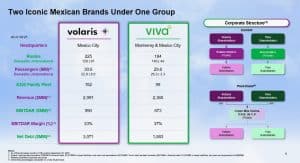
By merging operations, Viva and Volaris aim now to accelerate growth by leveraging economies of scale, optimizing fleet utilization, and strengthening purchasing power.
The combined airline would operate approximately 251 Airbus narrow-body aircraft. Together, the carriers would offer a network spanning 86 destinations, 324 routes, and nearly 1,000 daily flights.
Executives believe greater scale could reduce operating costs — particularly aircraft ownership expenses — and help deliver some of the lowest unit costs among airlines in the Americas.
Both Viva and Volaris are currently adapting their product offerings to meet evolving passenger expectations. Both are expanding premium-style add-ons and ancillary services to attract a wider mix of leisure and value-focused travelers. The future airline entity would maintain the two brands to retain customers’ fidelity while expanding network reach.
What are the next steps in the future merger?
The proposed tie-up has drawn positive early comments from Mexican President Claudia Sheinbaum, who highlighted its potential to boost tourism and strengthen competition, subject to regulatory approval.
The calendar of the proposed merger should follow the following steps: